

Mail-order pharmacies offer 90-day supplies of maintenance meds at lower costs, with better accuracy and convenience. But they’re not ideal for urgent needs or if delivery fails. Learn who saves the most-and how to avoid common pitfalls.
Read More
CoQ10 may help ease mild muscle pain caused by statins, but evidence is mixed. It’s safe, affordable, and worth trying if you’re struggling to stay on your medication. Results take weeks, and it doesn’t replace statins.
Read More
First generic approval by the FDA gives a company 180 days of exclusive rights to sell the cheapest version of a brand-name drug. This system drives down prices, saves billions, and improves patient access - but it's not without challenges.
Read More
Learn how kidney transplant evaluation, waitlist placement, and living donor options really work. Understand medical requirements, insurance hurdles, psychosocial checks, and how to avoid delays that keep you off the list.
Read More
Does low vitamin D make statins harder to tolerate? Observational studies said yes. A major 2022 trial said no. Here’s what the evidence really shows-and what you should do if you’re struggling with statin muscle pain.
Read More
Learn how to safely check medication names, strengths, and dosage forms to prevent dangerous errors. Simple steps anyone can follow to protect themselves or loved ones from preventable harm.
Read More
False advertising in generic drugs misleads patients, drives up healthcare costs, and breaks federal law. Learn what’s allowed, what’s illegal, and how new FDA rules are cracking down on deceptive claims.
Read More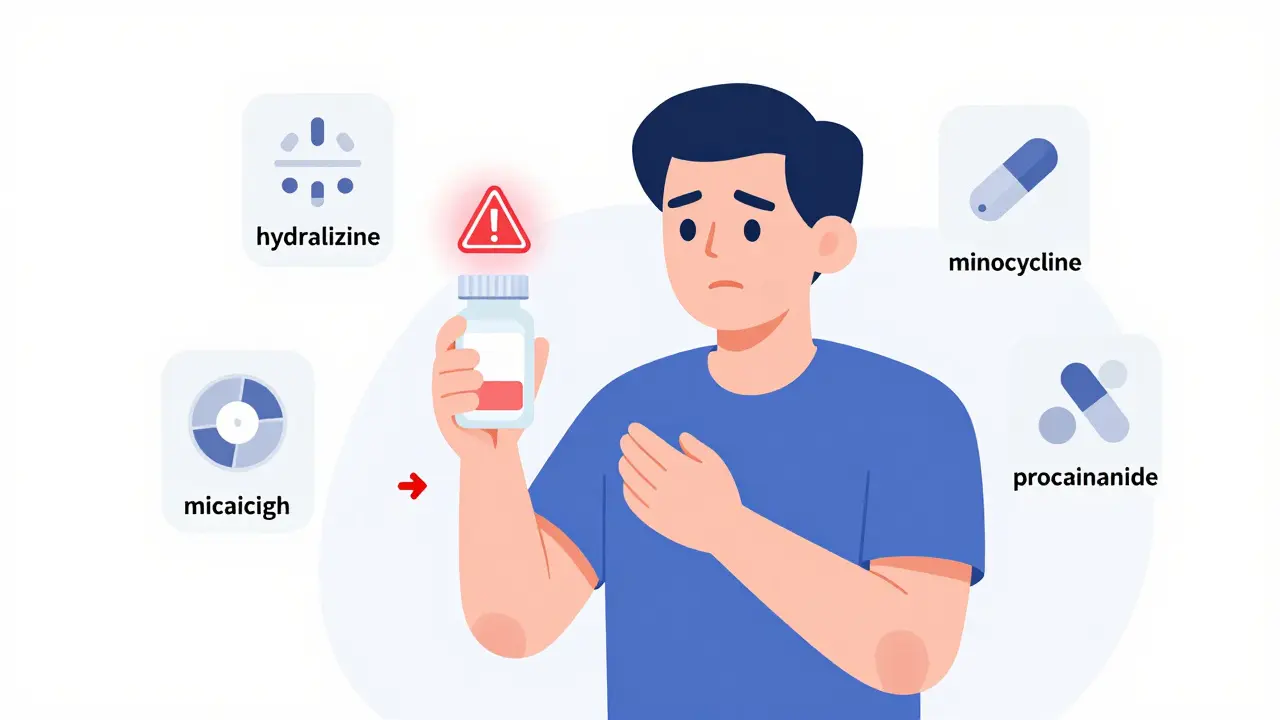
Drug-induced lupus is a reversible autoimmune reaction caused by certain medications. Learn the symptoms, how it's diagnosed, which drugs trigger it, and how most people fully recover after stopping the culprit medication.
Read More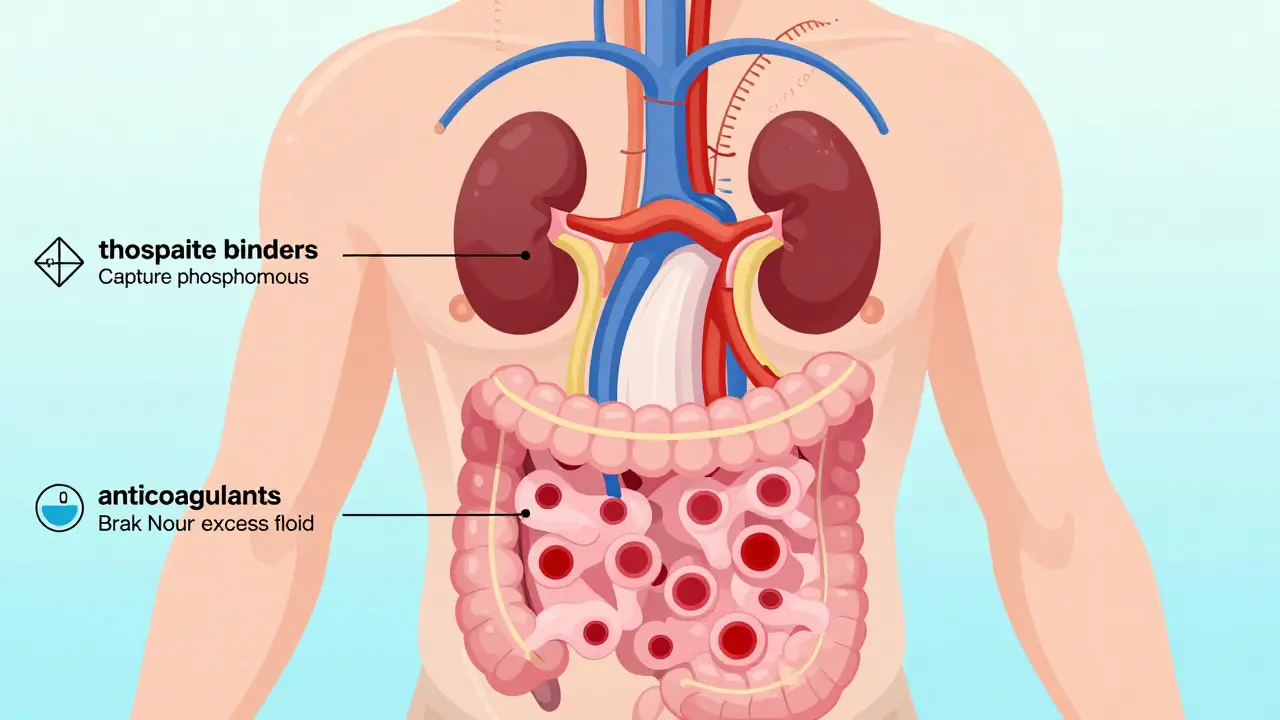
Learn how phosphate binders, diuretics, and anticoagulants help manage kidney disease complications like high phosphorus, fluid overload, and blood clots. Real costs, dosing rules, and patient experiences included.
Read More
CGRP inhibitors are the first migraine-specific preventives, cutting attack frequency by half for many patients. Safer and more effective than older drugs, they're now a first-line treatment for chronic and episodic migraine.
Read More