
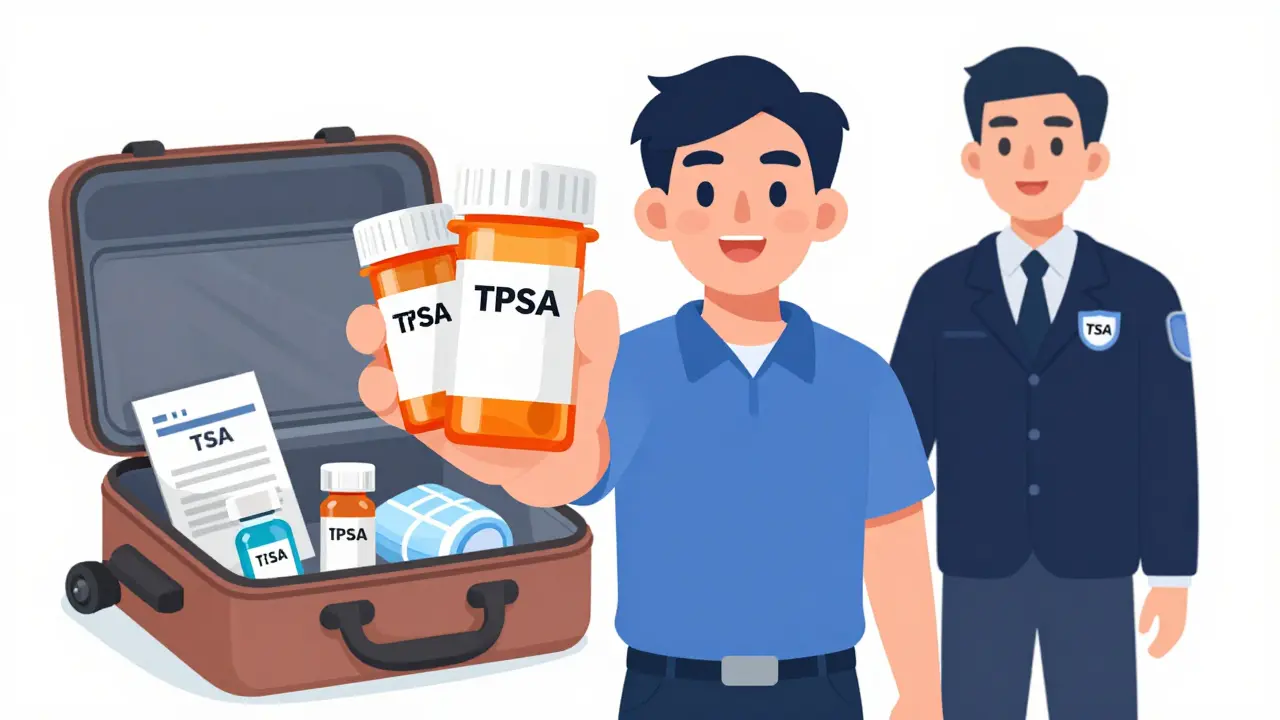
When you're packing for a trip, your medications shouldn't be an afterthought. Too many travelers assume that because the TSA doesn't require pills to be in original bottles, it's fine to toss them into a pill organizer. That’s a risky move - especially if you're flying internationally. In 2026, carrying medications in original containers isn’t just a good idea - it’s often the only way to avoid delays, seizures, or even legal trouble abroad.
Why Original Containers Matter More Than You Think
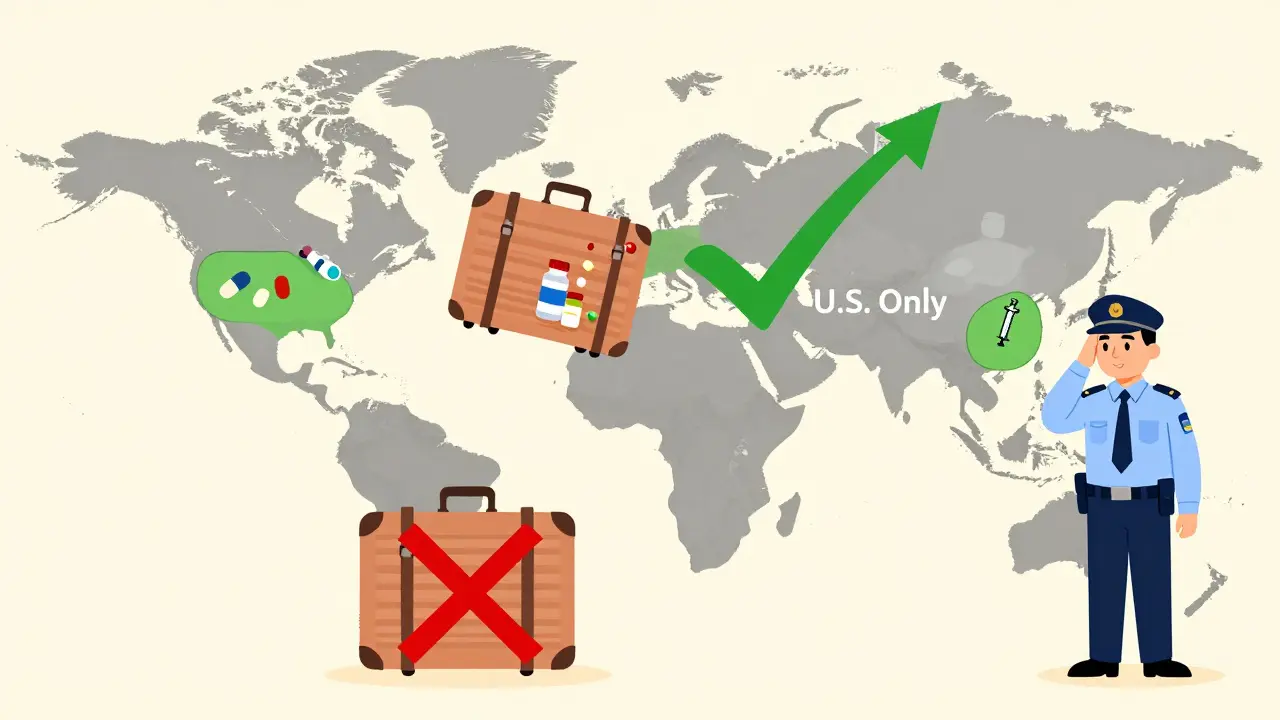
The Transportation Security Administration (TSA) says you don’t have to keep your meds in their original bottles. That’s true. But here’s what they don’t tell you: TSA agents aren’t the ones who decide if your meds are legal. Customs officers, border agents, and foreign pharmacies are. In the U.S., 37 states have laws that require prescription medications to be in their original containers with pharmacy labels. That includes California, Texas, and New York. If you’re driving across state lines or getting pulled over for a random check, you could be fined for having unmarked pills. But it gets worse overseas. Countries like Japan, South Korea, and the UAE ban common medications you can buy over the counter here - like Sudafed (pseudoephedrine) or codeine-based cough syrups. Adderall and Ritalin? Banned in multiple European and Middle Eastern countries. In Thailand, even a small bottle of tramadol can land you in jail. And if you’re caught with unmarked pills? You’re not just questioned - you could be detained until they verify what’s in them. A 2023 study by the International Association for Medical Assistance to Travelers found that travelers carrying meds in original containers had 73% fewer delays at customs than those using pill organizers. Why? Because a pharmacy label with your name, the drug name, strength, and prescriber info gives officials instant proof this isn’t illegal substance - it’s your medicine.What the TSA Actually Allows (and What They Don’t)
Let’s clear up the confusion. The TSA lets you bring any amount of solid medication - pills, capsules, powders - in your carry-on. No limit. No need for a prescription. But they also say this: “We don’t require you to keep medicines in their original prescription bottles.” That’s not a green light. It’s a warning that they won’t stop you if you don’t - but someone else might. For liquids: You can bring more than 3.4 ounces (100ml) of liquid meds - insulin, eye drops, liquid antibiotics - as long as you tell the TSA officer at the start of screening. You don’t need to put them in a clear bag like other liquids. Just say, “I have medically necessary liquids.” And here’s a hard rule: Never pack meds in checked luggage. Even if you don’t need them during the flight. Baggage gets lost. Temperature swings in cargo holds can destroy insulin, thyroid meds, or epinephrine. United Airlines and the International Air Transport Association both warn that 17.3% of medications in checked bags experience unsafe temperature changes. Your life depends on that pill being in your carry-on.International Rules Are a Minefield
The U.S. Department of State lists 187 countries with specific rules about bringing in medications. Here are real examples:- Japan: Max 1-month supply of most drugs. No ADHD meds without a special permit.
- United Kingdom: Only 30-day supply allowed without a special license.
- Singapore: Codeine, oxycodone, and even some cough syrups require pre-approval.
- UAE: Banned: Pseudoephedrine, codeine, benzodiazepines. Even if you have a U.S. prescription.
- Thailand: Possessing unapproved drugs = criminal offense. No exceptions.
What You Need in Your Bag
Here’s what actually works when you’re flying:- Original containers: Keep every prescription in its original bottle with the pharmacy label. No exceptions.
- Doctor’s letter: Get a signed, dated letter on letterhead from your doctor. Include: your name, drug names (generic and brand), dosage, reason for use, and your doctor’s license number and contact info.
- Copy of your prescription: Print it. Or save it on your phone. Some countries ask for this.
- Extra supply: Bring at least 10% more than you need. Flights get delayed. Borders get closed. Don’t risk running out.
- Temperature control: If you’re carrying insulin, epinephrine, or other cold-sensitive meds, use a small insulated pouch with an ice pack. Declare it at security: “I have medically necessary cold items.” Ice packs are allowed - as long as they’re not liquid.
What Happens If You Get Stopped?
If a TSA officer asks about your meds, stay calm. Say: “These are my prescription medications.” If they ask for proof, hand over your doctor’s letter and original bottles. Most of the time, that’s enough. If you’re stopped by customs abroad? Don’t argue. Don’t lie. Show your documents. If they’re unsure, offer to let them call your doctor. Most countries have systems to verify prescriptions from U.S. providers. In 2023, the U.S. Embassy in Mexico reported a 68% drop in medication-related entry denials when travelers presented original containers with doctor’s letters. That’s not luck - it’s preparation.What About Digital Tools?
The Department of Homeland Security is testing a digital medication pass at 12 major U.S. airports. By late 2024, you might be able to scan a QR code that links to your prescription info. But don’t count on it yet. These systems aren’t global. And they don’t replace paper documentation. For now, your best digital tool is a photo of your original prescription bottle - saved on your phone, backed up in the cloud. If your bottles get lost, that photo becomes your lifeline.Final Checklist Before You Fly
- ☑ All pills in original bottles with pharmacy labels
- ☑ Doctor’s letter on official letterhead
- ☑ Copy of your prescription (printed or digital)
- ☑ Extra supply (10% more than needed)
- ☑ Liquid meds declared at security
- ☑ Cold meds with ice pack (declared)
- ☑ No meds in checked luggage
- ☑ Research destination country’s drug laws
What If You’re Traveling with a Child or Elderly Person?
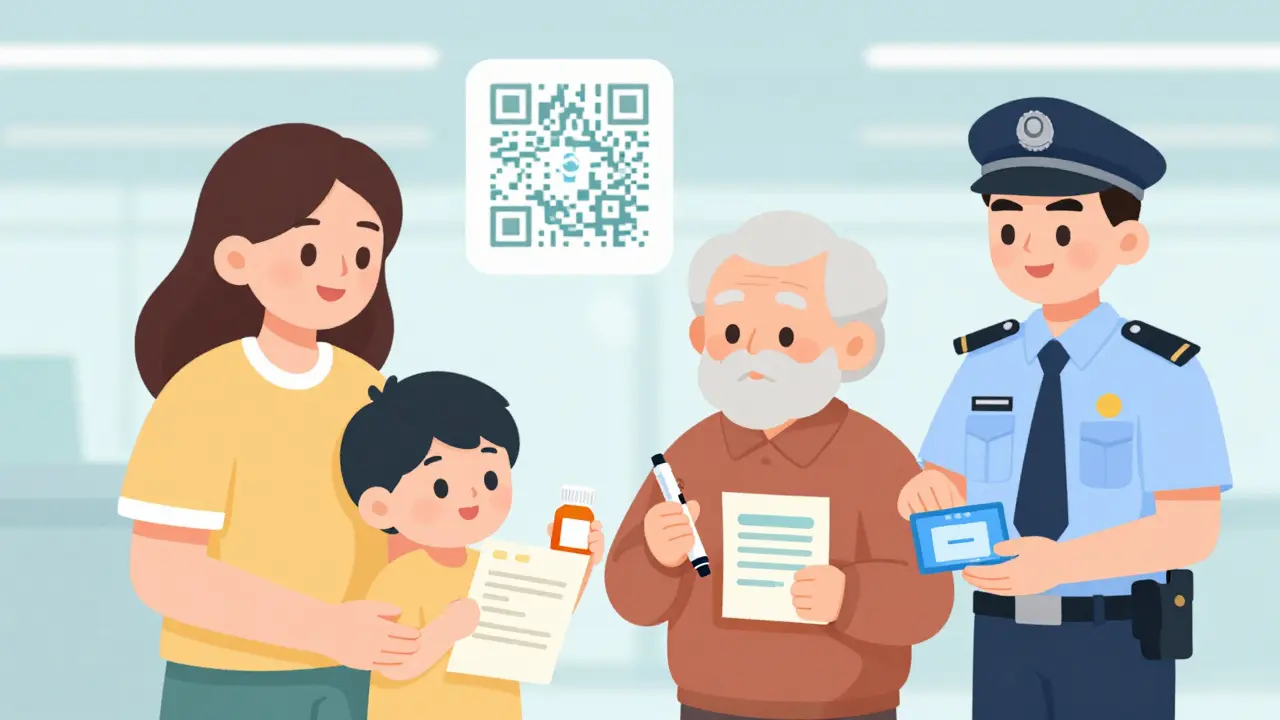
The rules are the same. But extra care is needed. If you’re carrying meds for someone else - a child, an elderly parent - your doctor’s letter must clearly state your relationship and that you’re authorized to carry the medication on their behalf. Include their full name and date of birth. Some countries require this even for parents carrying their child’s ADHD meds.What to Do If Your Meds Are Confiscated
If customs takes your meds, ask for a written receipt. Contact your embassy immediately. Don’t try to buy replacements overseas. You might end up with fake drugs or something illegal. Your doctor back home can often help you get emergency refills or alternatives.Bottom Line
The TSA doesn’t require original containers. But every other authority you’ll encounter - state police, foreign customs, airlines, pharmacies - does. This isn’t about following rules. It’s about protecting your health, your freedom, and your trip. Don’t gamble with your meds. Keep them in their original bottles. Bring the paperwork. Never check them. And always, always research your destination’s rules before you go.Can I carry my medications in a pill organizer instead of original bottles?
Yes, you can - but only if you’re flying domestically within the U.S. and you’re prepared to explain what’s inside. For international travel, using a pill organizer without the original bottle significantly increases your risk of being stopped, questioned, or having your meds confiscated. If you must use one, label it clearly with the drug name, strength, dosage, and expiration date. Always carry a photo of the original bottle and a doctor’s letter.
Are there any medications that are completely banned on flights?
No medication is banned on U.S. flights - as long as it’s for personal use. But many countries ban common U.S. medications. Examples: pseudoephedrine (Sudafed) is banned in Japan, UAE, and South Korea; codeine is restricted in Thailand and Singapore; Adderall and Ritalin are illegal in multiple European and Middle Eastern countries. Always check your destination’s drug laws before you go.
Do I need a doctor’s note for over-the-counter drugs like ibuprofen?
For most OTC drugs like ibuprofen or allergy pills, a doctor’s note isn’t required - even internationally. But if you’re carrying large quantities (e.g., 100+ tablets), customs officials may question why. A simple note saying “For personal use” can prevent delays. Some countries require documentation for even common painkillers, so check your destination’s rules.
Can I bring insulin or injectable meds on a plane?
Yes. Insulin, epinephrine, and other injectables are allowed in any quantity in your carry-on. You don’t need to put them in a clear bag. Just declare them to the TSA officer at the start of screening. Bring your prescription label or a doctor’s note. Keep them cool with a small insulated pouch and ice pack - declare the ice pack too. Never check them.
What if I need to refill my prescription while traveling?
Don’t refill abroad unless absolutely necessary. Medications sold overseas may be counterfeit, under-dosed, or contain illegal ingredients. The FDA found 11.7% of meds bought internationally in 2023 were substandard. If you must refill, ask your doctor for a letter authorizing a refill abroad and bring your original prescription bottle as proof. Contact your embassy for trusted local pharmacies.
Is it safe to carry medication in a checked bag if I don’t need it during the flight?
No. Checked luggage can be lost, delayed, or exposed to extreme temperatures that ruin your meds. Insulin, thyroid meds, and epinephrine are especially sensitive. United Airlines and the International Air Transport Association both warn that 17.3% of medications in checked bags experience unsafe temperature changes. Always keep all medication in your carry-on.