
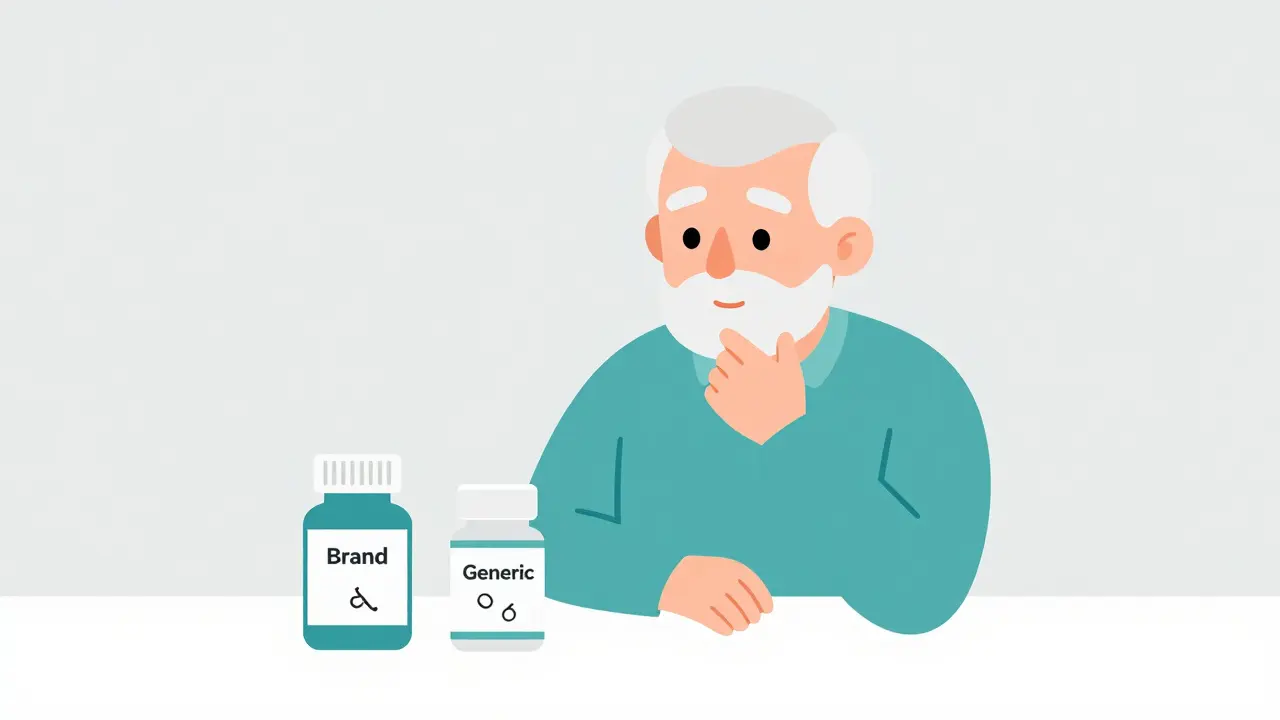
Generic drugs are pharmaceutical products that contain the same active ingredient, strength, and dosage form as brand-name drugs. Under the Hatch-Waxman Act of 1984, the FDA requires these drugs to be bioequivalent, meaning they must work within a tight range (80-125%) of the brand-name's performance. For most people, this difference is invisible. However, for older adults, the conversation isn't just about the brand; it's about how a changing body reacts to chemistry.
Why Age Changes the Rules of Medication
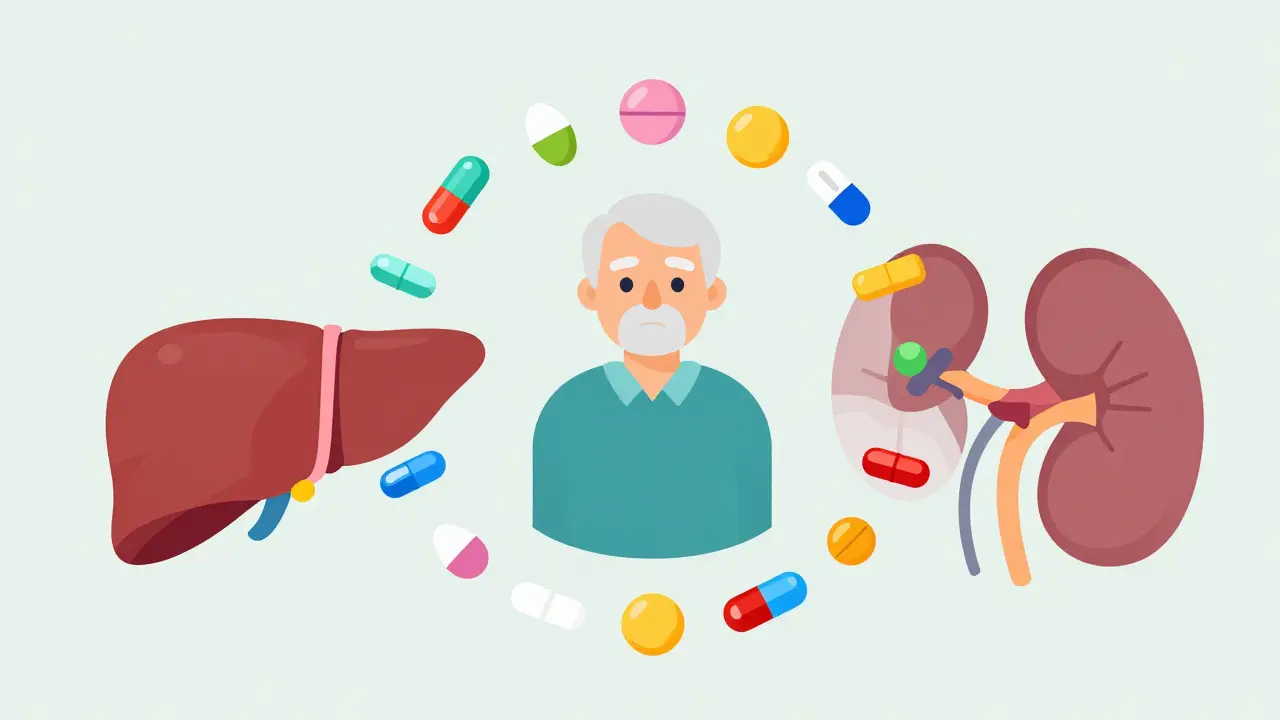
As we get older, our internal "filtering system" slows down. It's not that the generic drug is different, but that the body receiving it has changed. For example, adults over 75 often see a decline in medication metabolism of up to 30%. This means drugs linger in the system longer, which can turn a standard dose into an accidental overdose.
Three main physiological shifts drive these risks:
- Kidney and Liver Function: Reduced renal clearance and hepatic metabolism mean the body can't flush out toxins as quickly.
- Body Composition: An increase in body fat and a decrease in total body water change how drugs are distributed.
- CNS Sensitivity: The central nervous system becomes more sensitive, making the side effects of sedatives or painkillers much more intense.
The Danger of Polypharmacy and Drug Interactions
Many seniors aren't just taking one pill; they're taking five, ten, or more. This is known as polypharmacy, which is the simultaneous use of multiple medications by a single patient. When you mix several drugs, the risk of an adverse drug reaction (ADR) doesn't just go up-it skyrockets. Data shows that while the risk of an ADR is about 13% for someone taking two meds, it jumps to 82% for those taking seven or more.
Some combinations are particularly hazardous. The Beers Criteria is an evidence-based guideline updated by the American Geriatrics Society to identify potentially inappropriate medications for older adults. For instance, combining opioids with benzodiazepines can increase overdose risk by a staggering 154%. Similarly, mixing opioids with gabapentinoids increases the risk of respiratory depression by 70%. Whether these are generics or brands, the chemical interaction remains the same.
Narrow Therapeutic Index Drugs: Where Precision Matters
While most generics are interchangeable, there is a category called Narrow Therapeutic Index (NTI) drugs. These are medications where a tiny change in the blood concentration can be the difference between a working dose and a toxic one. Warfarin, a common blood thinner, is a prime example.
Some seniors worry that switching between brand-name Coumadin and generic warfarin could lead to unstable levels. While clinical studies show a 98.7% therapeutic equivalence, the perception of risk is high-about 42% of seniors in some studies feel the generic is riskier. In these cases, the most important rule is consistency: if you start with one version, stay with that specific manufacturer to avoid small fluctuations in your blood levels.
| Drug Class | Common Risk/Side Effect | Estimated Incidence/Risk |
|---|---|---|
| Beta Blockers | Bradycardia (slow heart rate) | 25-30% |
| Digoxin | Arrhythmias | 10-15% |
| Insulin/Sulfonylureas | Hypoglycemia leading to falls | 20-25% |
| SNRIs (Antidepressants) | Increased fall risk | 37% increase |
| Aspirin (70+ years) | Internal bleeding | 2.3x higher risk |
Practical Tips for Managing Generic Meds Safely
Safety isn't just about the chemical compound; it's about how the medicine is handled. Many medication errors in seniors happen because generic bottles look different from the brands they used for years. About 28% of medication error reports in older adults involve confusion between similar-looking generic pills.
To keep things safe, try these concrete strategies:
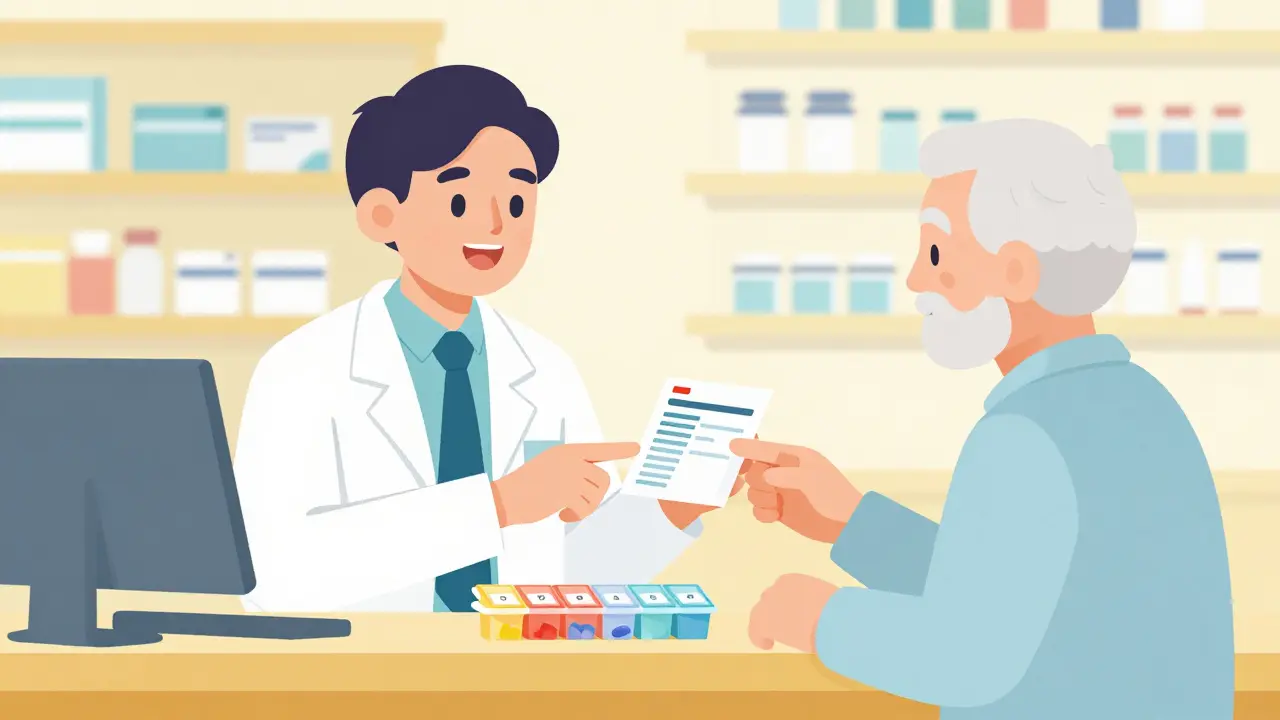
- Request "Large Print" Labels: Since 65% of adults over 65 struggle with vision, don't squint at the bottle. Ask your pharmacist for larger text.
- Use Organization Tools: Color-coded containers or automated dispensers can reduce errors by 34%.
- Quarterly Medication Reviews: If you take five or more medications, have a pharmacist review your entire list every three months. This can reduce adverse events by 27%.
- Maintain a Master List: Carry a printed list of every drug, dosage, and whether it's generic or brand. This prevents duplicate therapies, which can be reduced by 41% with this simple habit.
Expert Perspectives on the Brand vs. Generic Debate
Many doctors argue that the "brand vs. generic" debate is a distraction. Dr. Michael Steinman, a geriatrician, suggests that the real issue is whether the medication is appropriate for the patient's specific age and health conditions. It's more about the right generic drug safety strategy than the label on the bottle.
Counseling also makes a difference. Research shows that when pharmacists actually talk to seniors about how generics work, acceptance and proper use of these drugs increase by 37%. Instead of just switching a script, a conversation about why the change is happening can prevent the anxiety that leads to perceived reduced efficacy.
Are generic drugs really the same as brand-name drugs?
Yes. The FDA requires generic drugs to have the same active ingredient, strength, and dosage form. They must demonstrate bioequivalence, meaning they work in the body the same way as the brand-name version. While inactive ingredients (like fillers or dyes) might differ, the therapeutic effect is identical.
Why do some seniors feel generic drugs don't work as well?
This can be due to the "nocebo effect" (expecting a cheaper drug to be less effective) or, in rare cases, sensitivity to different inactive ingredients. For NTI drugs like levothyroxine or warfarin, tiny differences in absorption between manufacturers can occasionally cause fluctuations, which is why consistency in the manufacturer is key.
What is the Beers Criteria and why does it matter?
The Beers Criteria is a list of medications that are potentially inappropriate for older adults. It focuses on the drug's effect on the aging body-such as increased fall risk or sedation-regardless of whether the drug is a brand or a generic.
How can I tell if a medication is causing a side effect in an older adult?
Look for new or worsening symptoms like confusion, dizziness, or unexpected falls. Because metabolism slows with age, side effects may appear days or weeks after starting a new drug or changing a dose. Always track new symptoms in a diary and share them with a doctor.
Is it safe to switch from a brand to a generic in old age?
For most medications, it is very safe and cost-effective. However, for narrow therapeutic index drugs (like certain thyroid or blood-clotting meds), you should consult your doctor first to ensure your levels are monitored during the transition.