
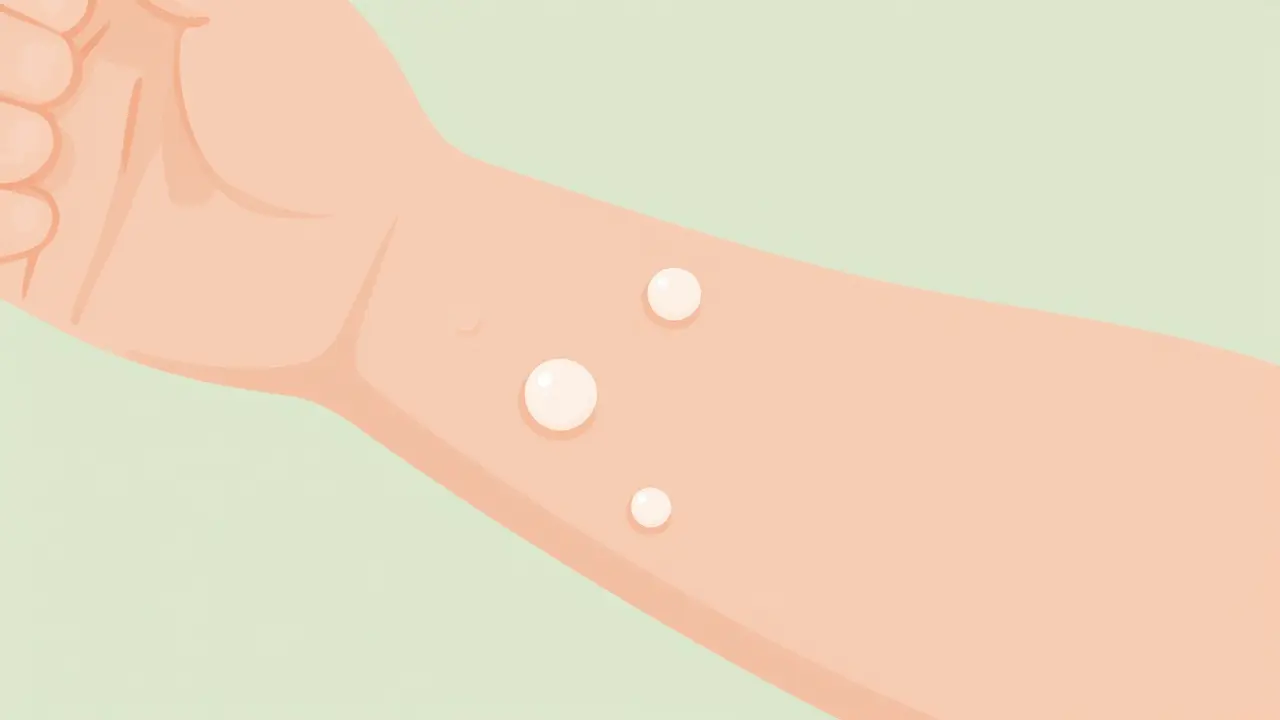
Finding a strange, pearly bump on your child's arm or your own skin can be unnerving. If it looks like a small, dome-shaped pimple with a tiny dip in the center, you're likely looking at molluscum contagiosum is a common viral skin infection caused by the molluscum contagiosum virus (MCV), a member of the poxvirus family. It's more common than you'd think, especially in kids, and while it looks worrying, it's generally a harmless nuisance that goes away on its own. The real challenge isn't usually the virus itself, but stopping it from spreading to other parts of the body or other people in the house.
What exactly are these bumps?
These lesions are typically small, ranging from the size of a pinhead to a pencil eraser (about 2-6mm). They usually appear as skin-colored, pink, or pearly white papules. The giveaway is the "central umbilication"-that little dimple or dot in the middle that distinguishes them from a standard wart or a pimple. While they can pop up anywhere, they rarely appear on the palms of the hands or the soles of the feet.
The molluscum contagiosum virus (MCV) has an incubation period of about 2 to 6 weeks. This means you could be exposed to the virus and not see a single bump for over a month. For most people, the bumps are benign and self-limiting, meaning they'll vanish without any medical help. In a study by the University of California San Francisco, about 92% of cases resolved naturally within 18 months.
How it spreads and who is at risk
This virus is a master of contact. It spreads through direct skin-to-skin touch or by sharing "fomites"-contaminated objects like towels, clothing, or gym equipment. Swimming pools are also common culprits, though the virus doesn't live in the water itself; it's the shared surfaces around the pool that usually do the trick.
Children between 1 and 10 years old are the primary targets, but adults can get it too. In adults, it's often contracted through sexual contact or occurs in people with weakened immune systems. If you have atopic dermatitis (eczema), you're at a higher risk. In fact, kids with eczema have a 30% higher incidence rate because the compromised skin barrier makes it easier for the virus to take hold.
| Feature | Molluscum Contagiosum | Common Warts (HPV) | Herpes Simplex |
|---|---|---|---|
| Appearance | Pearly, dome-shaped | Rough, grainy surface | Fluid-filled blisters |
| Key Marker | Central dimple (umbilicated) | No central dimple | Painful vesicles |
| Texture | Firm but smooth | Hard/Firm | Soft/Tense |
| Resolution | Self-limiting (months/years) | Variable; often persistent | Recurrent outbreaks |
Treatment options: To act or to wait?
Here is the tricky part: do you treat the bumps or leave them alone? Most dermatologists, including those at the American Academy of Dermatology, suggest a "watch and wait" approach for healthy people. Why? Because aggressive treatments can sometimes cause more damage-like scarring or inflammation-than the original bumps did.
However, waiting isn't always the best move for everyone. If the bumps are on a child's face, the psychological toll of bullying or social isolation can be significant. In these cases, early intervention is often recommended to protect the child's confidence.
If you decide to move beyond observation, you have several paths:
- Topical Agents: Some use compounded creams like potassium hydroxide. These essentially irritate the skin to trigger an immune response.
- Cantharidin: This is a blistering agent applied by a pro. Research from the Cochrane Database shows it has a high clearance rate (around 73%) compared to doing nothing.
- Cryotherapy: Freezing the bumps with liquid nitrogen. While effective, some patients report unnecessary scarring if used too aggressively on sensitive areas.
- Curettage: Physically scraping the bump off with a medical tool.

The "Danger Zone": Immunocompromised patients
For people with healthy immune systems, molluscum is a cosmetic annoyance. But for those with HIV/AIDS or other severe immunodeficiencies, the situation changes. In these patients, lesions can grow much larger-sometimes up to 30mm-and cover vast areas of the body. They don't always resolve on their own and can last for years. In these scenarios, doctors don't recommend "watchful waiting"; instead, they focus on optimizing antiretroviral therapy to help the body fight the virus from the inside out.
Practical tips to stop the spread
If you're managing this at home, the goal is containment. The virus spreads via "autoinoculation," which is a fancy way of saying you can spread the virus from one part of your own body to another by scratching.
Follow these rules to keep the bumps from multiplying:
- Stop the Scratch: Scratching can increase the number of lesions by 300%. Keep kids' nails short and try to prevent picking at the bumps.
- Separate Linens: Don't share towels, washcloths, or clothing. This simple step can reduce household spread by over 50%.
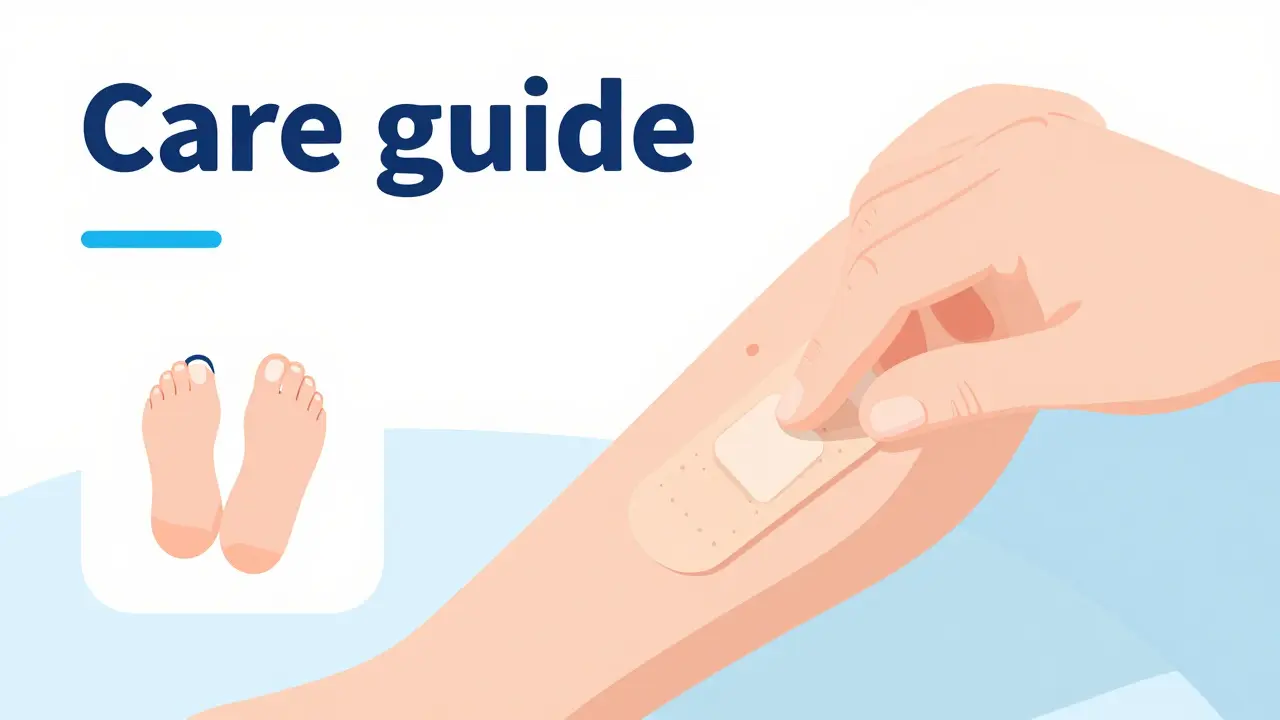
- Cover Up: Use waterproof bandages or clothing to cover the bumps, especially during sports or swimming, to prevent spreading it to others.
- Keep it Dry: The virus thrives in warm, humid environments. Pat the skin dry thoroughly after bathing.
Common pitfalls and misconceptions
One of the biggest myths is that children should be banned from school or swimming pools because of molluscum. Current CDC guidelines explicitly state that no child should be excluded from these activities. While you should cover the bumps, the risk to the general public is low enough that isolation is unnecessary and harmful to the child's social development.
Another mistake is trying "home remedies" like apple cider vinegar or harsh scrubs. These often cause secondary bacterial infections. About 15% of pediatric cases end up with a bacterial infection because the skin was irritated or broken during a DIY treatment attempt. If the bump becomes red, warm, or leaks pus, it's time to see a doctor for antibiotics.
How long does it take for the bumps to disappear?
For most people, the lesions resolve spontaneously within 6 to 24 months. However, in some cases, it can take up to 4 years for the immune system to fully clear the virus without intervention.
Is molluscum contagiosum an STD?
It can be. While it's most common in children via non-sexual contact, in adults it is frequently transmitted through sexual contact, particularly when it appears in the genital or pelvic regions.
Can I use over-the-counter wart removers?
It is not recommended to use standard OTC wart removers without a professional diagnosis. Warts and molluscum are caused by different viruses; treatments for one may be too harsh or ineffective for the other, potentially causing scarring.
Does it leave a scar?
The virus itself typically resolves without scarring. However, scarring can occur if the bumps are scratched severely or if aggressive treatments like cryotherapy are performed incorrectly.
How do I know if I need treatment?
Treatment is usually considered if the lesions are on the face (due to social distress), are spreading rapidly, are located in a sensitive area, or if the patient is immunocompromised.
Next Steps and Troubleshooting
If you've just noticed a bump, the first step is a clinical diagnosis. A dermatologist can usually identify molluscum just by looking at it, though they might use a dermatoscope for atypical cases. If you're a parent, start by tracking the number of bumps-if they aren't spreading and aren't causing distress, the best course of action is often to do nothing.
If you choose a topical treatment, be consistent. Most creams require daily application for several weeks. If you notice a sudden increase in redness or swelling, stop the treatment and check for a secondary infection. For those with eczema, coordinate with your doctor to ensure your steroid creams aren't inadvertently suppressing the local immune response and allowing the virus to spread faster.