
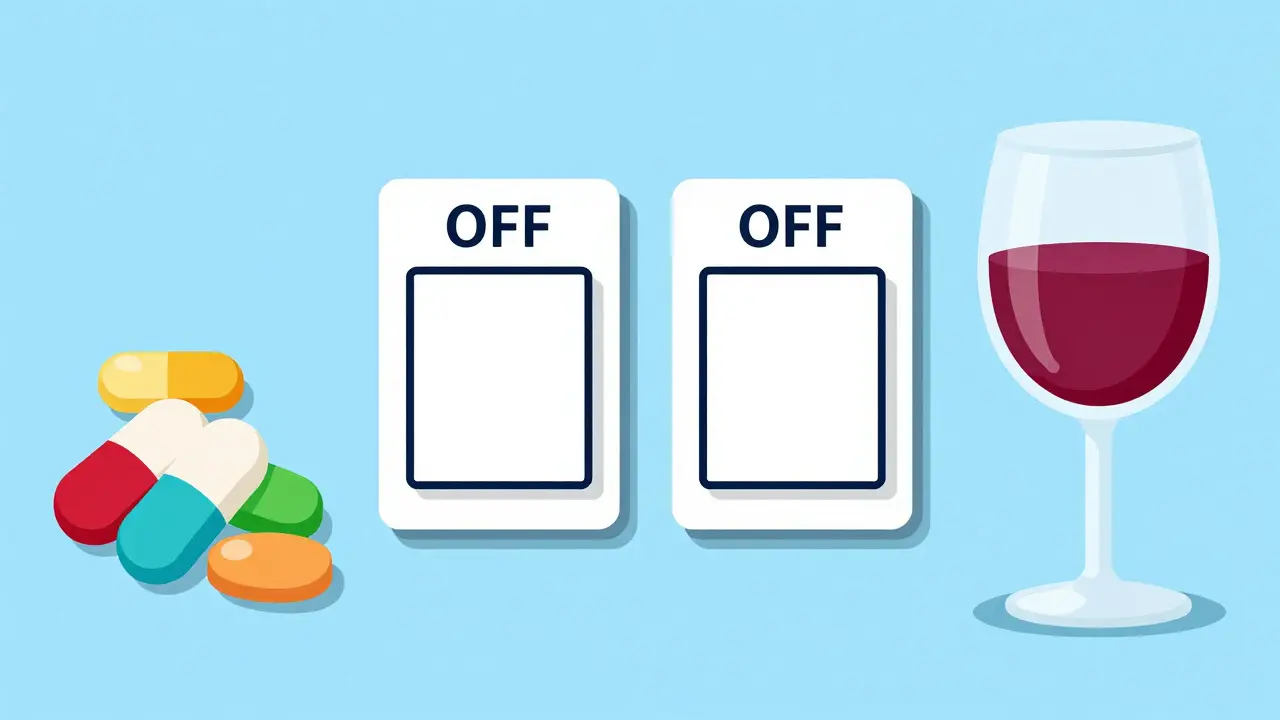
Antihistamine & Alcohol Interaction Checker
Select your medication and alcohol consumption level to see the potential impact on your central nervous system.
Quick Summary: What You Need to Know
- Mixing alcohol with antihistamines can increase drowsiness by up to 300%.
- First-generation meds (like Benadryl) are far more dangerous when combined with alcohol than second-generation ones.
- The combination slows your reaction time and increases the risk of accidents and falls.
- Alcohol interferes with how your liver processes these meds, keeping the drugs in your system longer.
- Older adults face a significantly higher risk of confusion and injury from this interaction.
The Science of the "Double Dose" of Sleepiness
To understand why this happens, we have to look at the Central Nervous System (or CNS). Both alcohol and many antihistamines act as CNS depressants. They don't just make you tired; they slow down the communication between your brain and your body.
Alcohol works by boosting GABA, a chemical that tells your brain to slow down, while simultaneously blocking receptors that keep you alert. Meanwhile, first-generation antihistamines cross the blood-brain barrier and block H1 histamine receptors. Since histamine is responsible for keeping you awake and alert, blocking it makes you drowsy. When you do both at once, you aren't just adding the effects together-you're multiplying them. Clinical studies show that combining these substances can reduce your reaction time by 47% more than alcohol would on its own.
First-Gen vs. Second-Gen: Not All Allergy Meds Are Equal
Not every allergy pill behaves the same way in your brain. The danger level depends heavily on which "generation" of medication you are taking.
Diphenhydramine, found in Benadryl, is a first-generation antihistamine. These were created decades ago and easily enter the brain. Because they penetrate the blood-brain barrier so effectively, they cause drowsiness in about 50% of people even without alcohol. Add a few drinks, and that risk skyrockets. In fact, taking two Benadryl tablets with a few drinks can create impairment equivalent to a blood alcohol concentration (BAC) of 0.12-0.15%, which is nearly double the legal driving limit in many places.
On the other hand, second-generation antihistamines like Loratadine (Claritin) and Cetirizine (Zyrtec) were engineered to stay out of the brain. While they are marketed as "non-drowsy," that isn't a total guarantee. While they only cause sleepiness in about 10-20% of people normally, adding alcohol can push that rate up to 40% or more. They are safer, but they aren't a free pass to drink heavily while medicated.
| Medication Type | Example | Drowsiness (Alone) | Drowsiness (With Alcohol) |
|---|---|---|---|
| First-Generation | Diphenhydramine (Benadryl) | ~50% | ~60% (Severe) |
| Second-Generation | Loratadine (Claritin) | 10-15% | 30-35% |
| Second-Generation | Cetirizine (Zyrtec) | 15-20% | 40-45% |
The Liver Trap: Why the Effects Last Longer
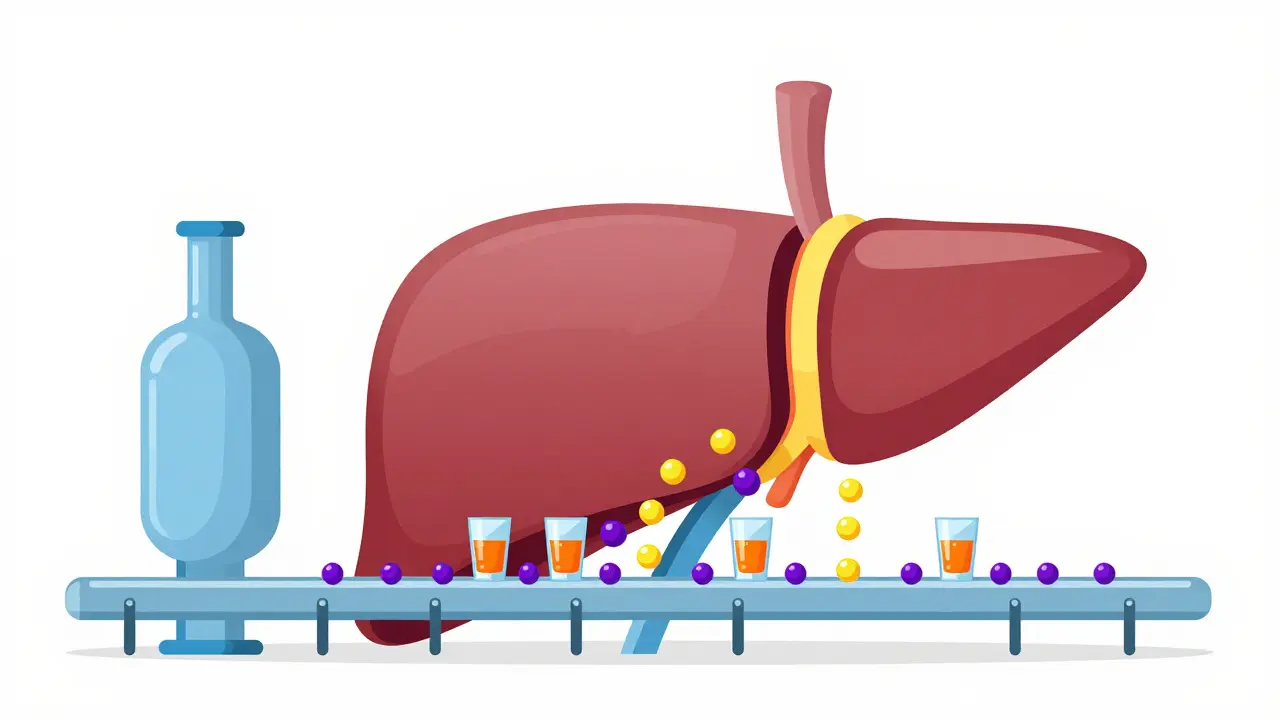
It's not just about how you feel in the moment; it's about how your body clears the drugs. Your liver uses a system called the Cytochrome P450 enzyme system to break down both alcohol and antihistamines. Specifically, the enzymes CYP3A4 and CYP2D6 are the workhorses here.
Here is the problem: alcohol inhibits these enzymes. When your liver is busy dealing with alcohol, it can't break down the antihistamine as quickly. This means the medication stays in your bloodstream 25-40% longer than it should. This metabolic bottleneck explains why you might feel "extra drunk" or find that the drowsiness lasts well into the next morning. You've essentially created a backup in your body's filtration system, increasing the risk of a toxic overdose or severe respiratory depression.
High-Risk Groups and Hidden Dangers
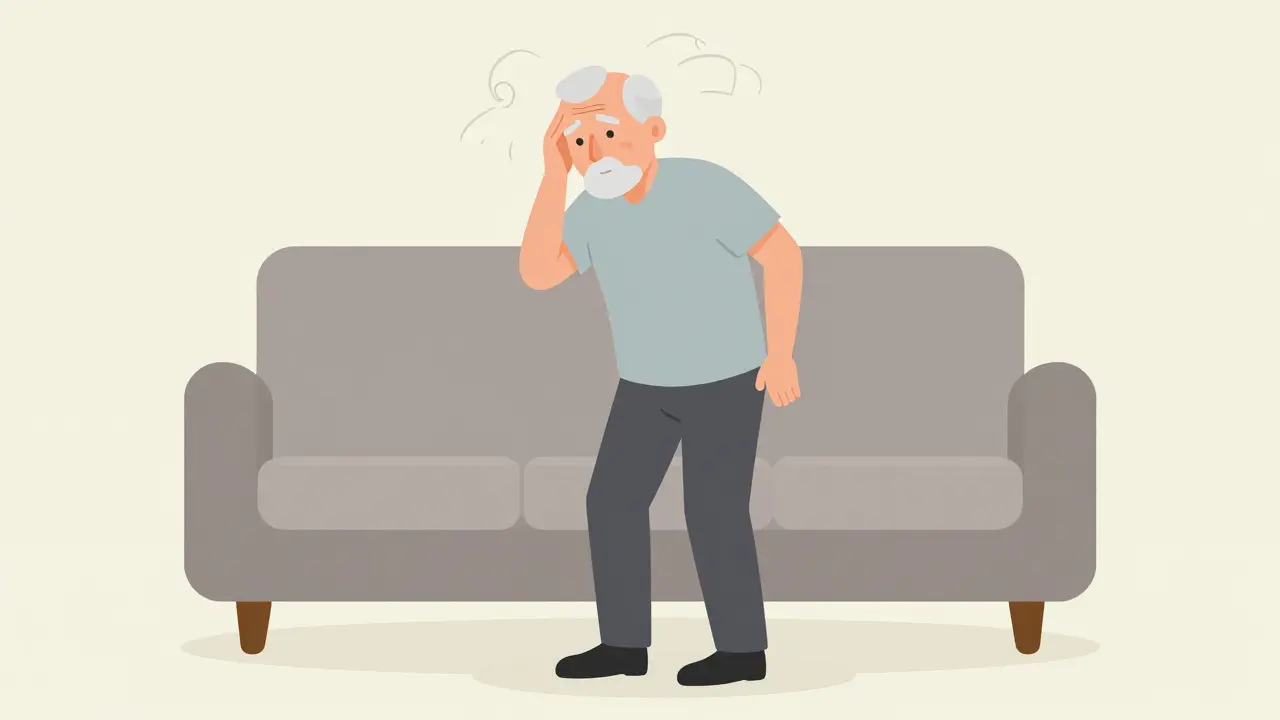
Some people are hit much harder by this combination than others. Older adults (65+) are particularly vulnerable. Because the brain and liver change as we age, seniors experience 2.3 times greater CNS depression from this mix than younger adults. This isn't just about feeling sleepy; it leads to a 75% increase in falls and hip fractures. For a senior, a slight bit of dizziness from a mixed dose can lead to a life-altering injury.
Another major risk is the "hidden" antihistamine. Diphenhydramine isn't just in allergy pills. It is tucked away in over 70 different over-the-counter products, including:
- Sleep aids (like ZzzQuil or Nytol)
- Multi-symptom cold and flu liquids
- Motion sickness tablets
Many people accidentally mix alcohol with these medications because the labels simply say "may cause drowsiness" rather than explicitly warning against alcohol. If you're taking a "nighttime" cold syrup, you're likely taking a heavy dose of a sedating antihistamine.
How to Manage Allergies Without the Risk
If you know you'll be drinking at an event, you have a few options to avoid the danger zone. First, timing is everything. For first-generation meds, wait at least 12-16 hours before drinking. For second-generation options, 8-12 hours is usually the safer window, though this varies by person.
If you need a long-term solution that doesn't interact with your social life, consider alternatives. Nasal corticosteroids (like Flonase) or leukotriene inhibitors (like Singulair) don't have the same CNS effects and generally don't interact with alcohol. However, these aren't "quick fixes"-they often take 3 to 7 days of consistent use to actually start working. You can't just spray them once and go to a cocktail party.
Is it safe to drink just one glass of wine with Zyrtec?
While the risk is lower than with Benadryl, it's not zero. Some people are more sensitive to cetirizine than others, and alcohol can amplify that sensitivity, making you feel significantly more drowsy than usual. It is best to see how you react to the medication alone before adding alcohol.
What should I do if I'm having a severe allergic reaction but I've been drinking?
In a life-threatening situation (like anaphylaxis), medical professionals generally agree that you should not withhold life-saving medication, including antihistamines, just because you've had alcohol. However, because the combination can cause severe respiratory depression, you must seek immediate emergency medical attention right after taking the dose.
Can I use a "non-drowsy" pill and still feel the effects?
Yes. "Non-drowsy" is a marketing term. While second-generation antihistamines are designed to avoid the brain, they can still cause sedation in some people, and alcohol can "push" these medications across the blood-brain barrier more effectively, leading to unexpected drowsiness.
Why do I feel so groggy the next morning after mixing the two?
This is due to the liver's metabolic interference. Alcohol slows down the enzymes responsible for breaking down the antihistamine, meaning the drug stays in your system much longer than usual, extending the sedative effect into the next day.
Are there any antihistamines that are completely safe with alcohol?
Current medical consensus is that no oral antihistamine is 100% safe to combine with alcohol, especially at moderate to high levels of consumption. Some newer "third-generation" drugs show almost no CNS penetration in trials, but they aren't widely available in all markets yet.
Next Steps for Your Safety
If you're currently taking an allergy medication and aren't sure if it's a "sedating" type, check the active ingredients for diphenhydramine or chlorpheniramine. If you see those, treat them as high-risk. If you find yourself needing daily allergy relief but enjoy an occasional drink, talk to your doctor about switching to a nasal spray or a prescription leukotriene inhibitor to remove the CNS risk entirely.