
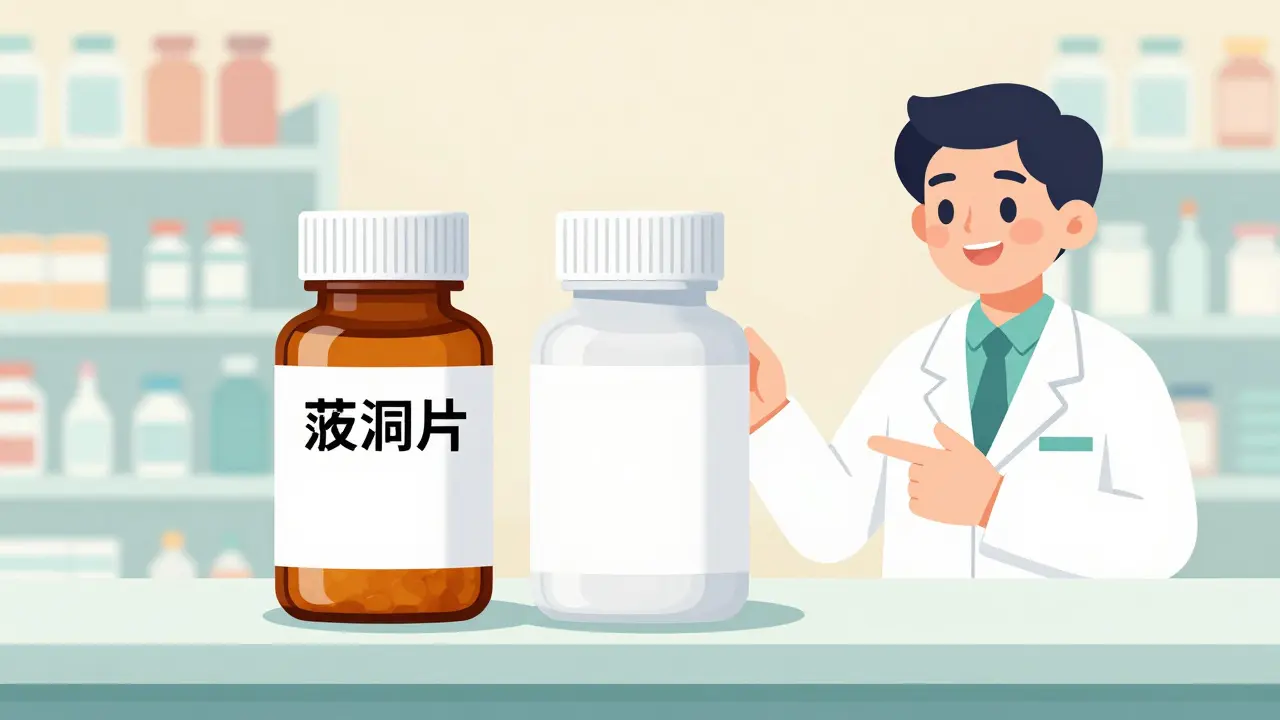
When you switch from a brand-name drug to a generic, you expect to save money - but not at the cost of how the medicine works. For many people, that trade-off isn’t worth it. That’s where authorized generics come in. They’re not just another generic option. They’re the exact same pill, capsule, or injection as the brand-name version, sold under a different label and at a lower price. No guesswork. No formulation changes. Just the same drug you’ve been taking, for less.
What exactly is an authorized generic?
An authorized generic is made by the original brand-name drug company itself - not a separate generic manufacturer. It uses the exact same active ingredients, inactive ingredients, dosage form, and manufacturing process as the brand-name drug. The only differences? The packaging is simpler, the label doesn’t carry the brand name, and the price is closer to what you’d pay for a regular generic.Think of it like this: You’re used to buying Coca-Cola in a red can. Now, the same company releases a version that’s identical in taste and ingredients, but it’s sold in a plain white can with no logo. It’s still Coca-Cola - just cheaper. That’s what an authorized generic is.
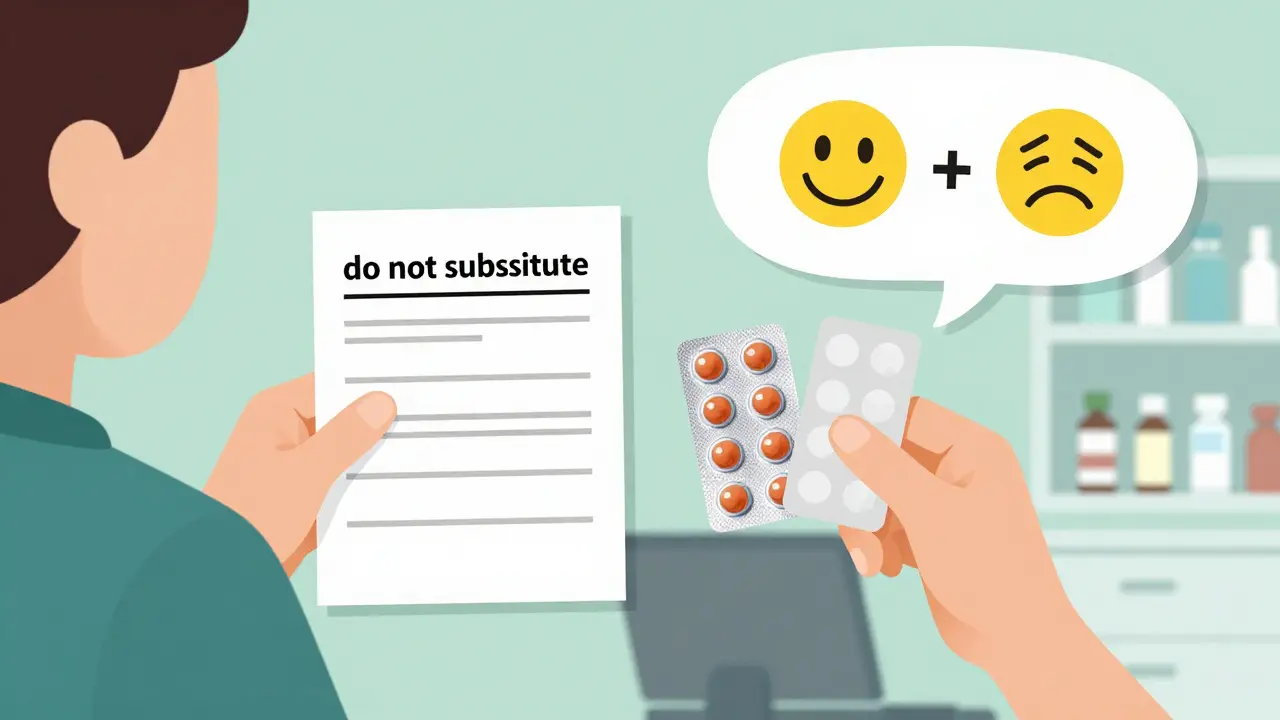
The FDA recognizes these as therapeutically equivalent to the brand. That means if your doctor prescribed a brand-name drug, your pharmacist can swap it out for the authorized generic without needing approval - unless your doctor specifically wrote "do not substitute."
Why authorized generics beat traditional generics
Traditional generics are required by the FDA to contain the same active ingredient and meet bioequivalence standards. But they don’t have to match the brand’s inactive ingredients - things like dyes, fillers, preservatives, and coatings. Those might seem harmless, but for some patients, they’re not.Take levothyroxine, a common thyroid medication. A 2023 study in US Pharmacist found that 32% of patients reported side effects like fatigue, heart palpitations, or mood swings after switching from the brand to a traditional generic. Why? Because the fillers changed. For people with sensitive systems - especially those on narrow therapeutic index drugs where small differences can throw off the whole treatment - that’s a big deal.
Authorized generics avoid this entirely. Since they’re made on the same production line as the brand, every single component is identical. No surprises. No new fillers. No unexpected reactions.
One pharmacist in Sydney shared feedback from patients on Reddit: "For my patients on levothyroxine who couldn’t tolerate traditional generics, switching to the authorized version cut adverse reactions by about 70%." That’s not luck - it’s science.
Cost savings without compromise
Authorized generics typically cost 15-20% less than the brand-name version. That’s not as deep a discount as some traditional generics (which can be 80% cheaper), but it’s still meaningful. And here’s the trade-off you won’t find elsewhere: you’re not sacrificing consistency.Compare that to traditional generics. Yes, they’re cheaper. But if you’ve ever switched between different generic brands - say, from one manufacturer’s version of metformin to another - you’ve probably noticed differences in how you feel. That’s because each generic uses different inactive ingredients. Authorized generics eliminate that rollercoaster.
According to IQVIA data, authorized generics made up 8.7% of all generic prescriptions in 2022, up from 5.2% in 2018. Why? Because more people are asking for them - and more pharmacies are stocking them.
How to know if your drug has an authorized generic
Not every brand-name drug has an authorized generic. As of 2023, only 15-20% of brand-name medications offer one. But if yours does, it’s worth asking for.Start by checking the FDA’s list of authorized generics. It’s updated quarterly and includes brand names alongside their authorized generic equivalents. You can also ask your pharmacist directly. Most chain pharmacies now have systems in place to flag authorized generics using National Drug Code (NDC) cross-referencing.
Pharmacists are trained to recognize them. A 2022 American Pharmacists Association survey found 87% of chain pharmacies have protocols to identify authorized generics - usually by looking at the NDC number on the bottle or box. If you’re unsure, just ask: "Is there an authorized generic for this?"
Insurance and coverage: what you need to know
Medicare Part D covers authorized generics at the same generic copay level 92% of the time. That means you pay the same amount as you would for a regular generic - even though it’s the exact same drug as the brand.Commercial insurers are a bit slower. About 78% of private plans cover authorized generics at generic rates. Some still treat them like brand-name drugs, especially if the system doesn’t recognize the NDC. If your plan denies coverage, ask them to review the drug’s listing in the FDA’s Orange Book. Authorized generics are therapeutically equivalent - they just aren’t listed separately because they’re marketed under the brand’s original approval.
Pro tip: If your pharmacy gives you a generic and you’re unsure whether it’s authorized, check the label. Authorized generics often have a different color or marking than the brand version - but the drug name, strength, and dosage will be identical.
Why some companies use authorized generics as a strategy
It’s not all simple savings. Authorized generics were created under the Hatch-Waxman Act of 1984, which gave the first generic company 180 days of exclusive rights to sell a generic version after patent challenges. But brand companies didn’t want to lose market share entirely.So they started launching their own authorized generics - right during that 180-day window. The result? The first generic company couldn’t dominate the market because now there were two low-priced versions. Prices dropped even further - by 25-30% - which was great for consumers.
But critics say this tactic undermines the system. The Generic Pharmaceutical Association points out that 43% of authorized generics launched during that exclusivity window, effectively squeezing out competition. The FTC and FDA have both flagged this as a potential anti-competitive practice.
That said, for patients, the outcome is still positive: more choices, lower prices, and better consistency. Whether it’s fair for manufacturers is a policy debate. For you, it just means a better option.
What’s changing in 2024 and beyond
The FDA is finally making it easier to spot authorized generics. Starting in Q2 2024, they’re adding a dedicated section to the Orange Book - the official guide to drug equivalence. Right now, you have to dig through the brand’s NDA to find out if an authorized version exists. Soon, it’ll be right there in plain sight.The Biden administration also directed the FDA in 2022 to crack down on strategic launches that delay generic competition. That could mean tighter rules around timing, but it won’t change the fact that authorized generics are a reliable, safe, and affordable option.
Industry forecasts predict authorized generics will grow to represent 12-15% of the generic market by 2026. That’s not just because of demand - it’s because they work.
Bottom line: When to choose an authorized generic
You should consider an authorized generic if:- You’ve had bad reactions to traditional generics
- You’re on a narrow therapeutic index drug (like warfarin, levothyroxine, or seizure meds)
- You want the same formulation you’ve been using, just at a lower price
- Your insurance covers it at generic copay levels
It’s not the right choice for everyone. If your drug doesn’t have an authorized version, a traditional generic is still safe and effective for most people. But if you’ve been frustrated by side effects after switching - or if you just want peace of mind - ask your pharmacist about the authorized version. It might be the quietest, most effective change you’ve made to your treatment.
Are authorized generics the same as brand-name drugs?
Yes. Authorized generics are made by the same company that makes the brand-name drug, using the exact same ingredients, manufacturing process, and quality controls. The only differences are the packaging and the price.
Can I switch from a brand-name drug to an authorized generic without asking my doctor?
Yes - unless your doctor wrote "do not substitute" on the prescription. Pharmacists are allowed to swap in authorized generics because they’re considered therapeutically equivalent by the FDA. But always check the label when you pick it up.
Why do authorized generics cost less if they’re identical?
They don’t carry the marketing, advertising, and brand-building costs of the original drug. The manufacturer saves money by selling it without the brand name, and passes those savings to you.
Do all pharmacies carry authorized generics?
Most major chain pharmacies do, especially for high-demand medications. Independent pharmacies may need to order them. Ask your pharmacist - they can usually get one within a few days if it’s not in stock.
How do I know if my drug has an authorized generic?
Check the FDA’s official list of authorized generics, updated quarterly. You can also ask your pharmacist or search online using your drug’s brand name plus "authorized generic." If one exists, it’ll be listed with the same active ingredient and strength.
Authorized generics aren’t magic. But for the right people - especially those who’ve struggled with traditional generics - they’re the closest thing to a perfect switch: same drug, same results, lower cost.


Post A Comment