
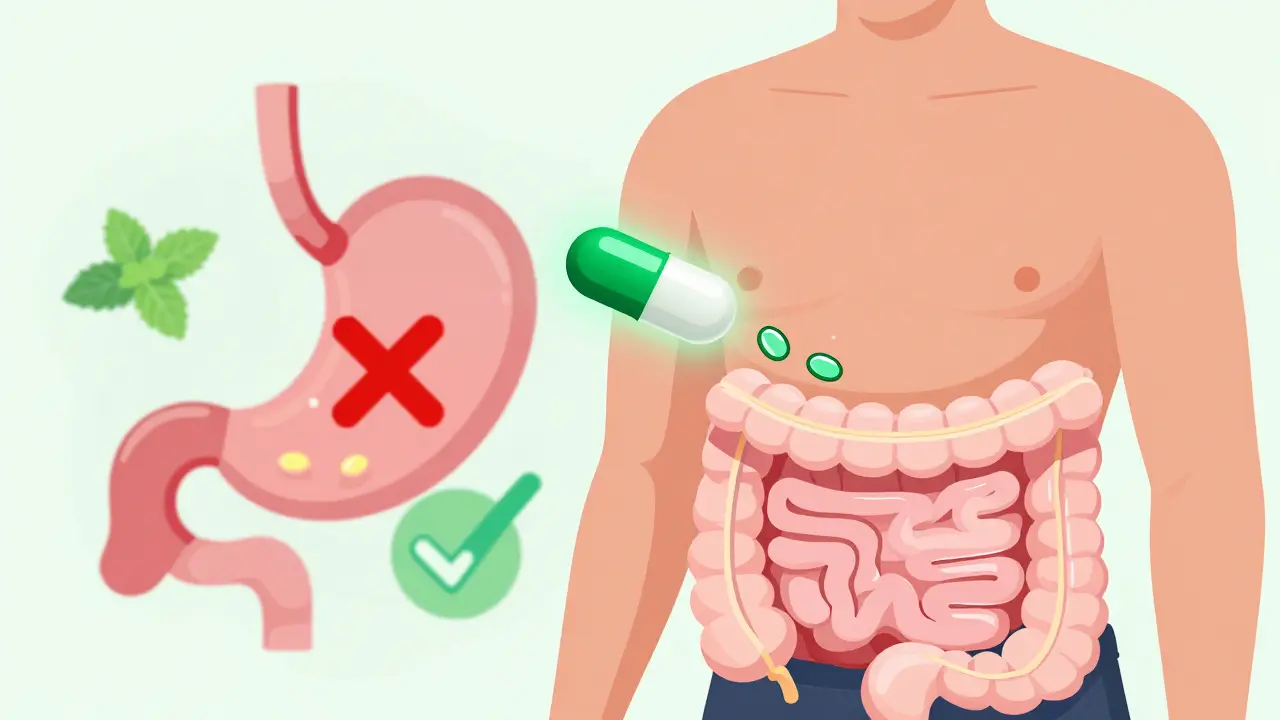
Peppermint oil, especially in enteric-coated form, is a well-researched natural remedy for IBS. Learn how it works, which products to choose, how to take it, and what the science says about its effectiveness.
Read More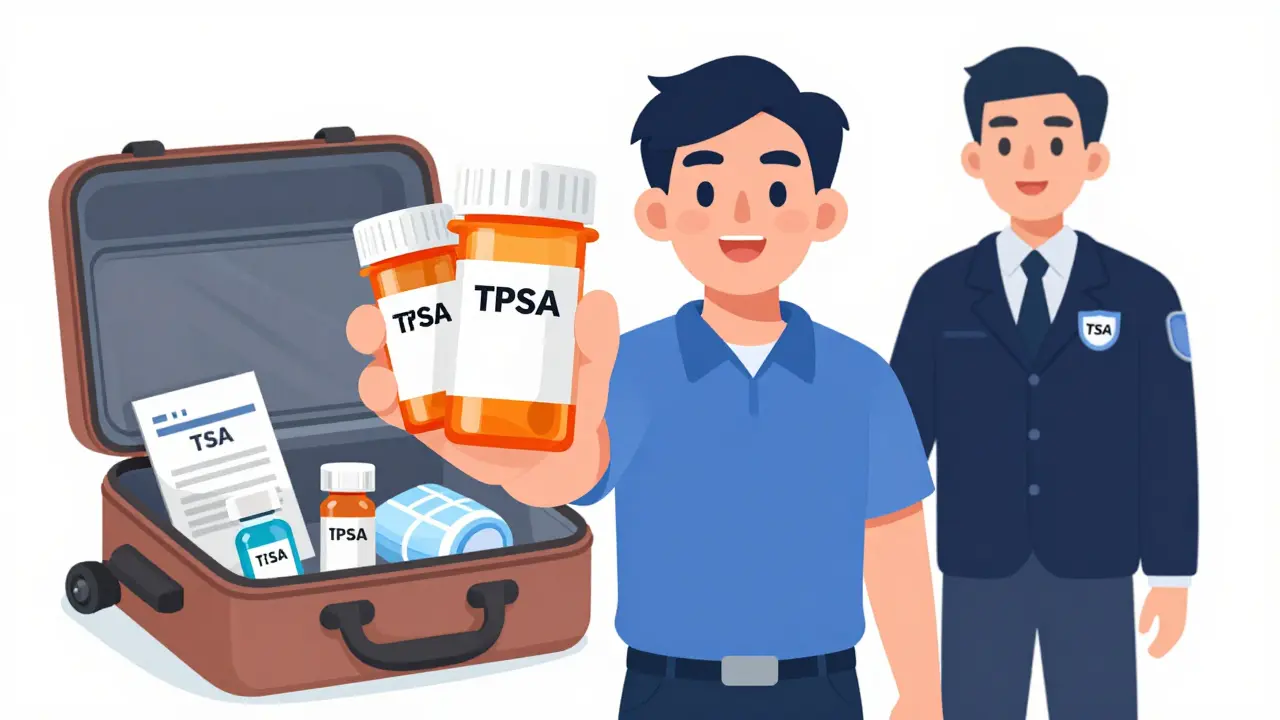
Carrying medications in original containers while traveling avoids legal trouble, customs delays, and medication spoilage. Learn the real rules for flying domestically and internationally in 2026 - including banned drugs, TSA guidelines, and essential documents.
Read More
Keep your prescription labels and medication leaflets organized to avoid dangerous errors, reduce hospital risks, and ensure accurate care. Learn how to store them physically and digitally for lifelong safety.
Read More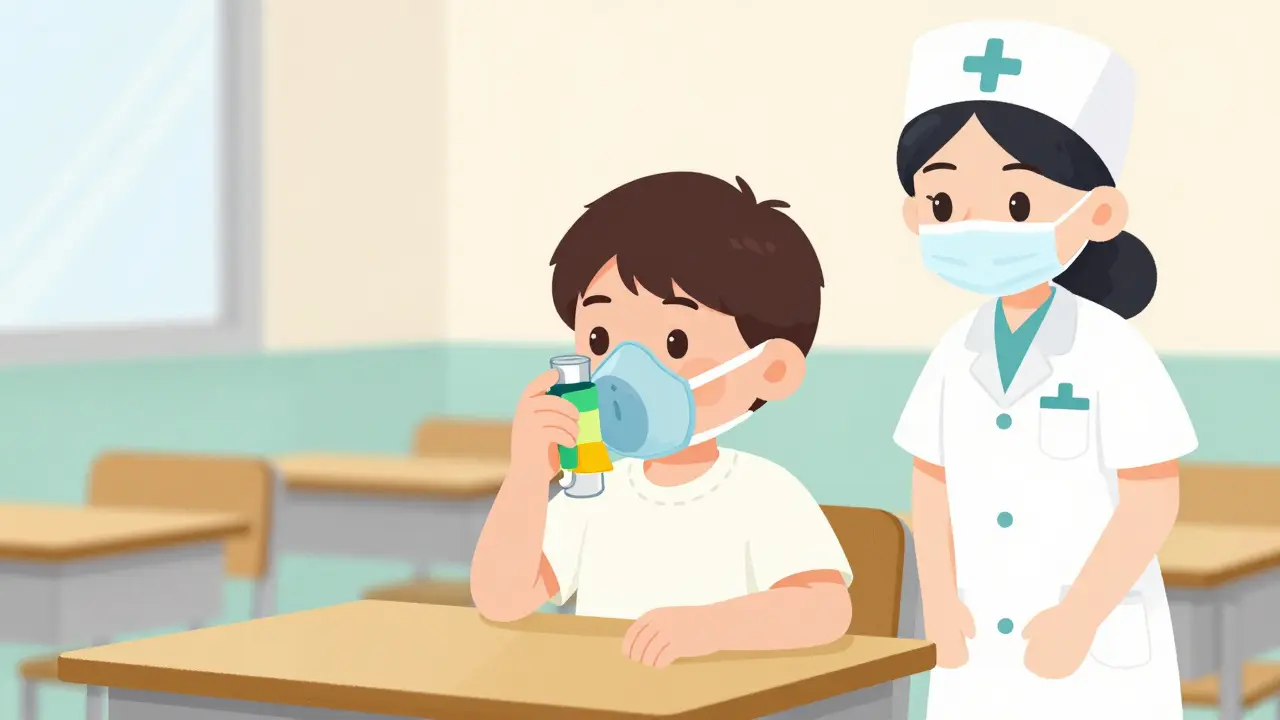
Asthma in children is manageable with the right tools and support. Spacers improve medication delivery, schools must be prepared, and clear care plans save lives. Learn how to use them right.
Read More
Creating a medication plan before conception helps prevent birth defects by adjusting risky drugs, optimizing folic acid intake, and managing chronic conditions. Experts recommend starting 3-6 months before trying to get pregnant.
Read More
Age-related hearing loss, or presbycusis, affects one in three people over 65. Learn how it develops, why it's dangerous if untreated, and how modern hearing aids - from prescription to OTC - can restore connection and protect your brain.
Read More
Learn how to report a suspected adverse drug reaction to the FDA using MedWatch, phone, or mail. Understand what counts as serious, who should report, and why your report matters for drug safety.
Read More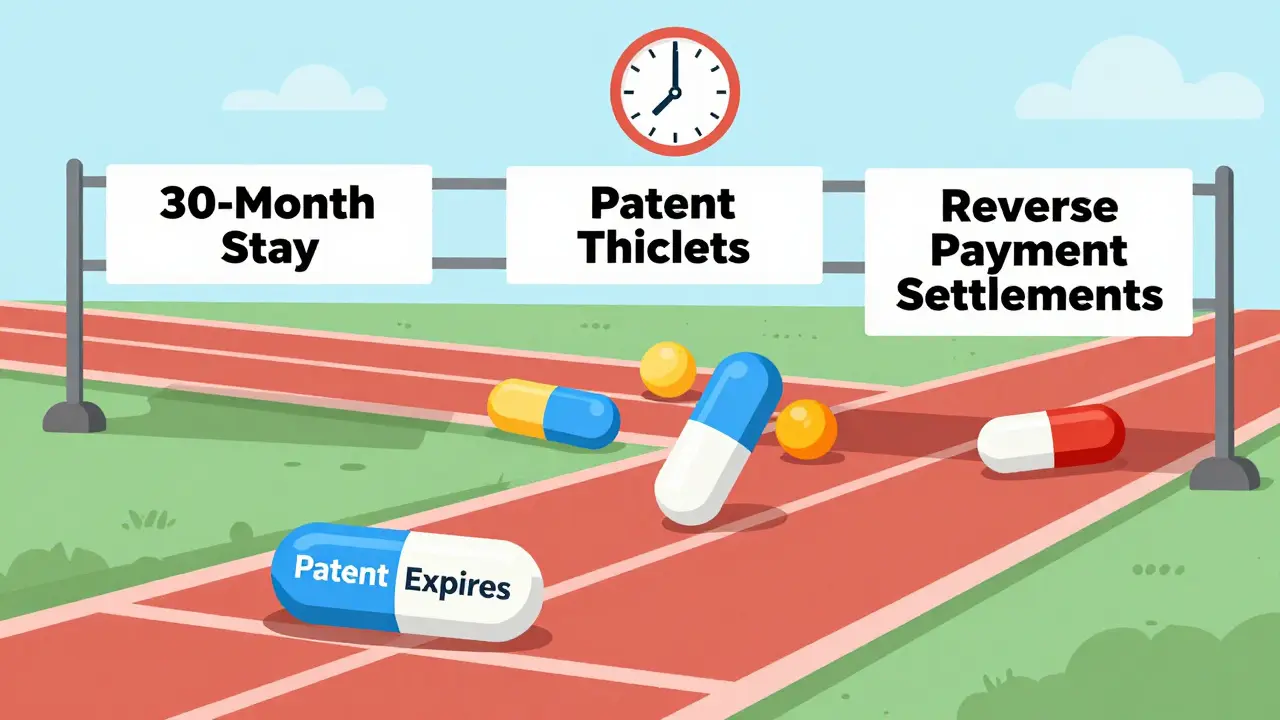
Generic drugs don't launch right after patents expire. Legal delays, patent thickets, and corporate tactics create years-long gaps between expiration and availability - costing patients billions. Here's how it really works.
Read More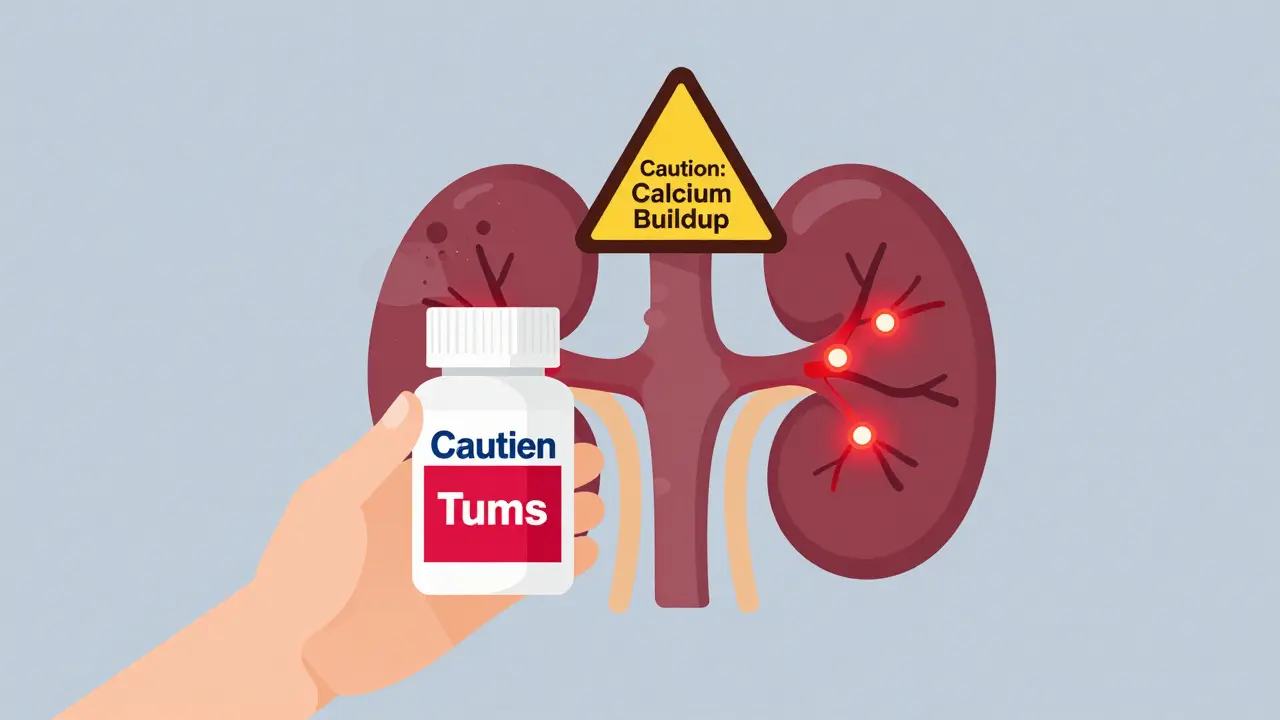
Antacids like Tums and Milk of Magnesia may seem harmless, but for kidney disease patients, they can cause deadly mineral imbalances. Learn how calcium, aluminum, and magnesium in these drugs interact with kidney function - and what safer alternatives exist.
Read More
Generics are viewed differently around the world-from essential tools in Europe to lifelines in Asia and risky bets in the U.S. This article explores how providers in key countries see generic drugs and why their perspectives shape global access to medicine.
Read More