
When you take a statin, a class of drugs used to lower LDL cholesterol by blocking an enzyme in the liver. Also known as HMG-CoA reductase inhibitors, they’re among the most prescribed medications in the world — but not everyone tolerates them well. Many people start statins thinking they’re harmless because their doctor recommended them, but side effects aren’t rare. In fact, up to 1 in 10 people stop taking them because of discomfort — and most don’t realize it’s the drug causing it.
The biggest concern? muscle pain, a common reaction that can range from mild soreness to debilitating weakness. Also called myalgia, this isn’t just "feeling tired" — it’s actual damage to muscle tissue that shows up in blood tests as elevated creatine kinase. It’s worse in older adults, people with thyroid issues, or those taking other meds like fibrates or certain antibiotics. Then there’s liver function, a risk that’s often overlooked because routine blood work doesn’t always catch early changes. While severe liver damage is rare, mild enzyme spikes happen often enough that doctors should check liver enzymes within 12 weeks of starting a statin.
Statin side effects don’t stop at muscles and liver. Some people report brain fog, memory lapses, or even sleep problems — though the science here is mixed. What’s clear? These drugs can raise blood sugar levels enough to trigger type 2 diabetes in people already at risk. And they don’t play nice with other meds. If you’re on cyclosporine, clarithromycin, or grapefruit juice daily, your body can’t clear the statin properly — which raises the chance of toxicity. Not every statin acts the same either. Atorvastatin and rosuvastatin are stronger and stay in your system longer, while pravastatin and fluvastatin are gentler but less potent. The right one depends on your age, other conditions, and what else you’re taking.
What you won’t find in most patient brochures? The fact that many side effects fade after a few weeks as your body adjusts. And that switching to a different statin — not stopping entirely — often fixes the problem. A low dose, taken every other day, works for some. So does adding CoQ10, though the evidence isn’t solid. What’s certain? Ignoring muscle pain or extreme fatigue isn’t bravery — it’s dangerous. If you’re on a statin and feel worse, don’t assume it’s aging or stress. Talk to your doctor. Get a blood test. Try a different dose or drug. Your health isn’t a one-size-fits-all experiment.
Below, you’ll find real-world guides on managing medication side effects, spotting dangerous interactions, and understanding how your body reacts to cholesterol drugs — not just what the label says.
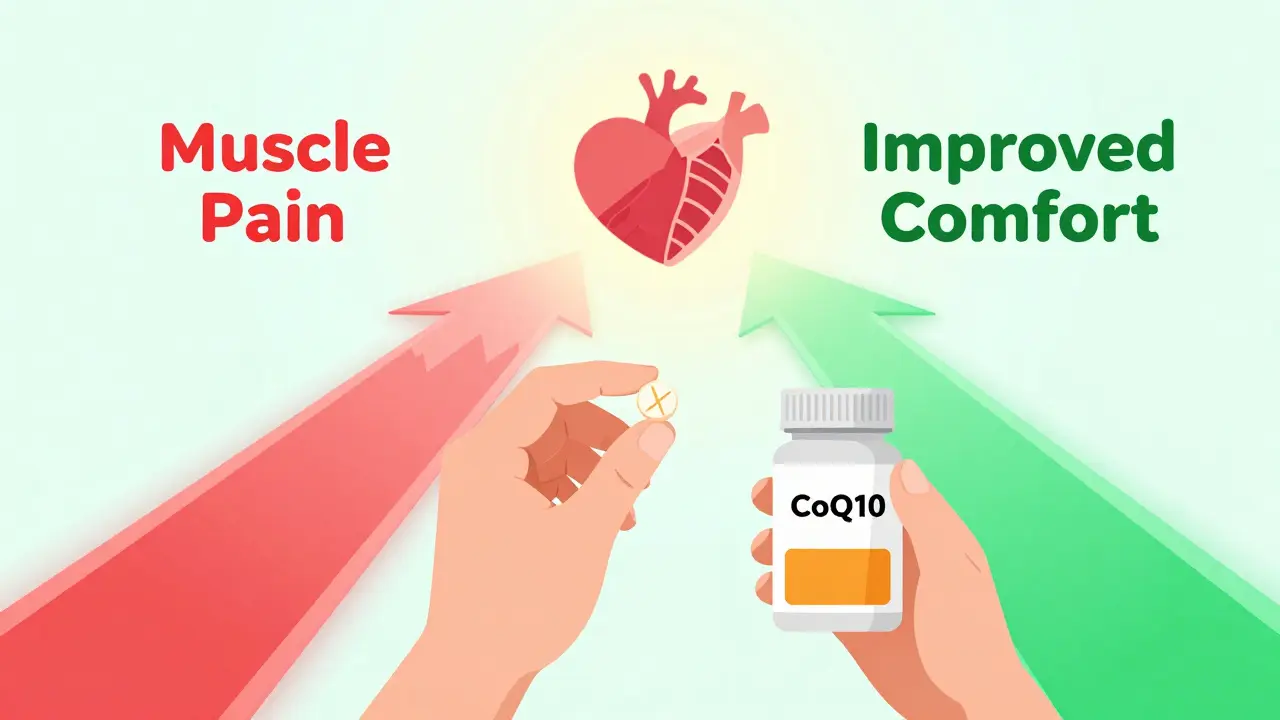
CoQ10 may help ease mild muscle pain caused by statins, but evidence is mixed. It’s safe, affordable, and worth trying if you’re struggling to stay on your medication. Results take weeks, and it doesn’t replace statins.
Read More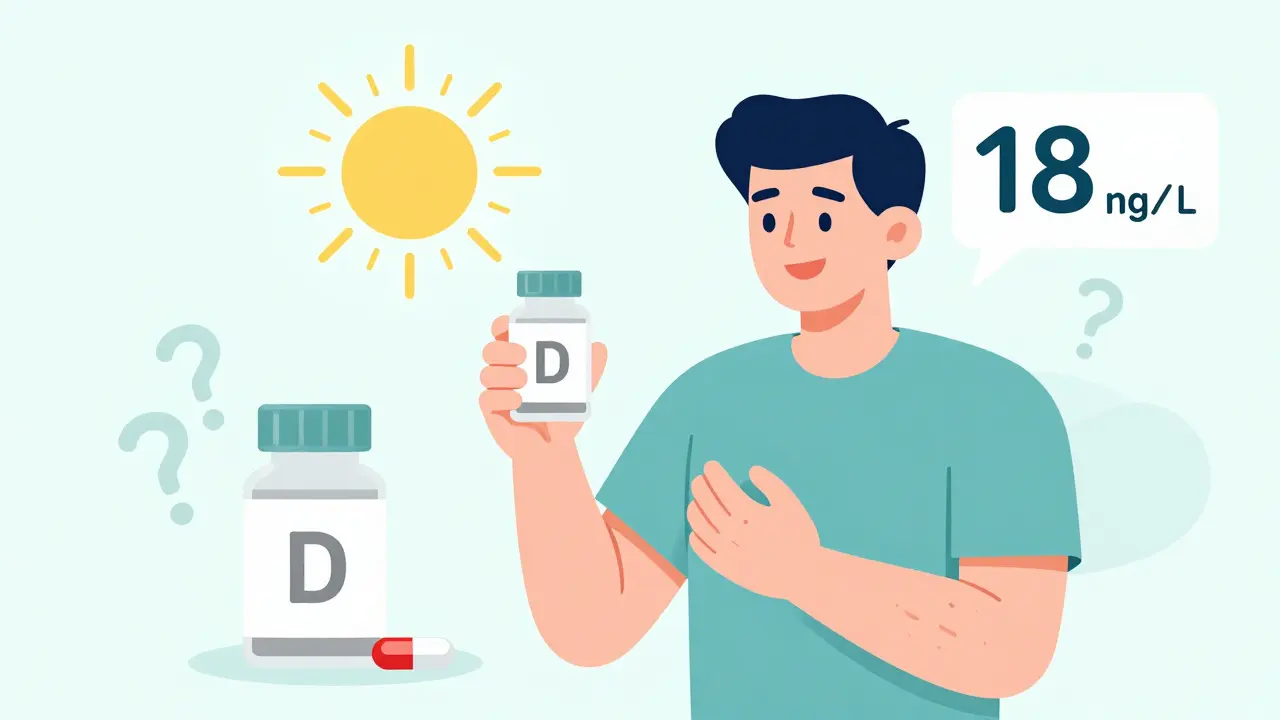
Does low vitamin D make statins harder to tolerate? Observational studies said yes. A major 2022 trial said no. Here’s what the evidence really shows-and what you should do if you’re struggling with statin muscle pain.
Read More
Statin intolerance clinics use structured protocols to help patients who experience muscle side effects from cholesterol drugs. Learn how rechallenge, switching statins, and intermittent dosing can get you back on life-saving therapy.
Read More
Learn the right lab tests and safety steps when taking statins. Skip unnecessary liver checks, understand muscle pain risks, and focus on what actually matters for heart health.
Read More