
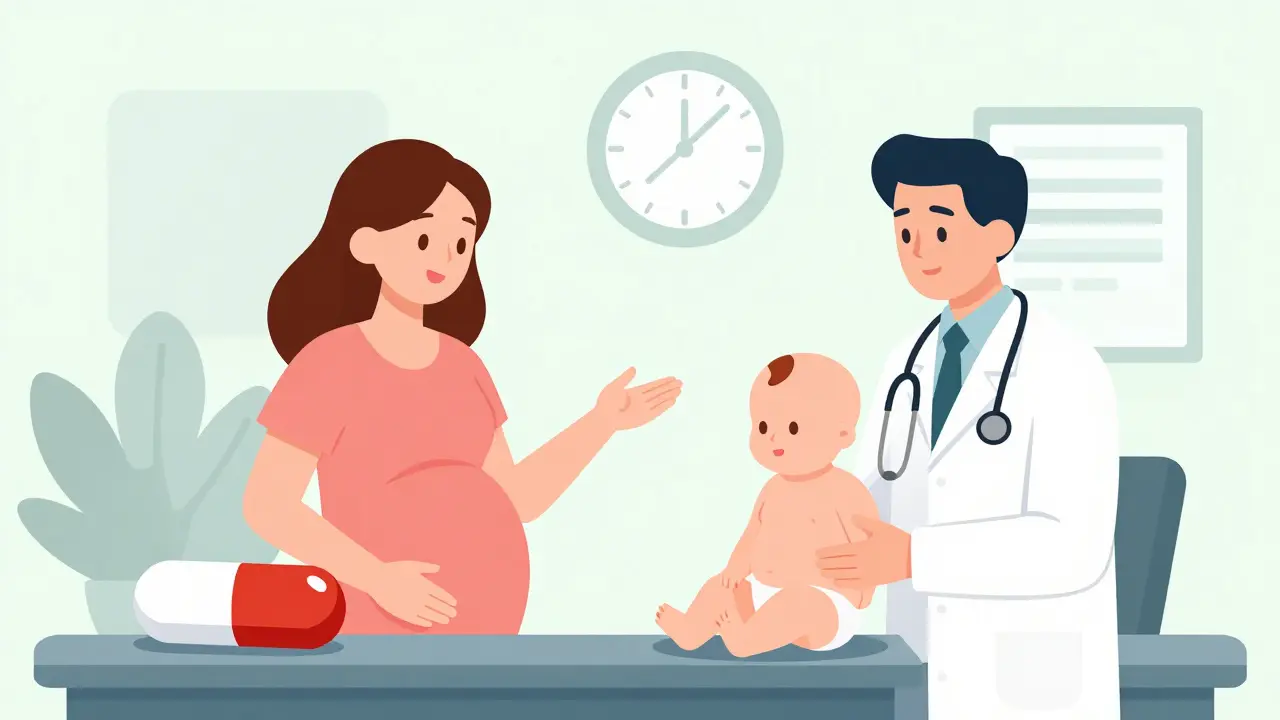
Statins & Pregnancy Risk Assessment Tool
Personalized Statin Safety Assessment
This tool helps you understand if continuing statins during pregnancy is appropriate for your specific health situation, based on FDA guidelines and current research.
Results
Please complete the assessment to see your results.
In July 2021, the FDA U.S. Food and Drug Administration made a major shift in its guidance on statins during pregnancy. This wasn't a minor tweak-it overturned decades of strict warnings. So what does this mean for women taking statins? Let's break it down.
What Statins Do and Why Pregnancy Concerns Existed
Statins are medications that lower cholesterol by inhibiting HMG-CoA reductase, the rate-limiting enzyme in cholesterol biosynthesis. For years, doctors told women to stop statins before getting pregnant. Why? Early animal studies suggested high doses might harm fetal development. But animal studies don't always translate to humans. The real question is: what does human data say?
The FDA's 2021 Update: What Changed?
The FDA's decision came after reviewing multiple large observational studies. One key study analyzed 1,152 statin-exposed pregnant women compared to nearly 887,000 controls. After adjusting for factors like age, diabetes, and obesity, the relative risk of congenital malformations was 1.07 (95% CI 0.85-1.37). This means there was no statistically significant increase in birth defects. Another study of over 1.4 million pregnancies found no increased risk of congenital anomalies among statin-exposed babies. These findings led the FDA to remove the strongest warning against statin use during pregnancy.
Who Should Consider Continuing Statins During Pregnancy?
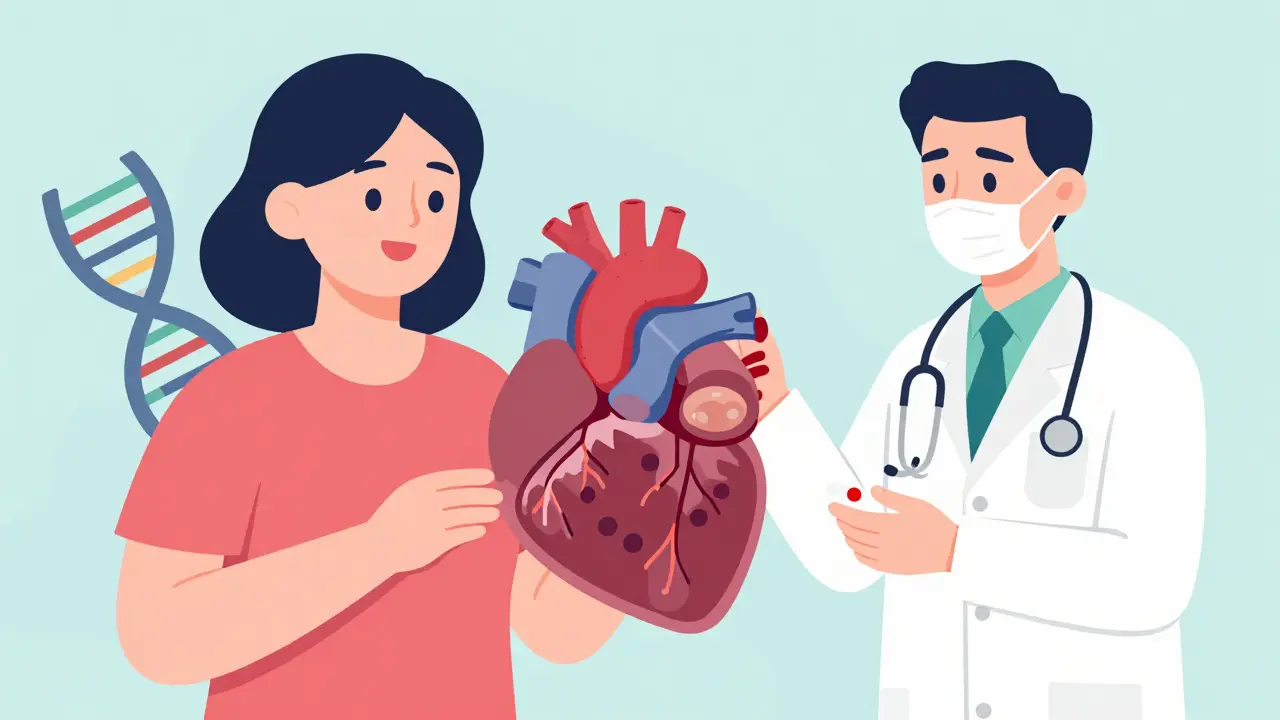
Not all women need to stop statins. For those with familial hypercholesterolemia (FH) a genetic condition affecting 1 in 250 women worldwide or atherosclerotic cardiovascular disease (ASCVD) a condition affecting about 1.4% of women aged 20-39 in the U.S., the risks of uncontrolled cholesterol may outweigh theoretical concerns. For example, a woman with FH might have LDL cholesterol over 300 mg/dL. Stopping statins could lead to dangerous plaque buildup in arteries during pregnancy.
What the Research Actually Shows
Multiple studies confirm that statins don't significantly increase the risk of major birth defects. The congenital malformations rate in statin-exposed pregnancies is similar to the background risk of 3-5%. However, some studies noted a slightly higher chance of preterm birth (16.1% vs 8.5% in controls). The European Heart Journal study of 805,368 pregnancies found no link between first-trimester statin exposure and congenital malformations. Still, second- and third-trimester effects are less studied.
Comparison of Lipid-Lowering Medications During Pregnancy
| Medication | Pregnancy Safety Data | Common Use Cases |
|---|---|---|
| Statins | Extensive observational data showing low teratogenic risk; FDA updated guidelines in 2021 | High-risk patients (FH, ASCVD) |
| Fibrates | Limited data; no large studies on human teratogenicity | Triglyceride management |
| Niacin | Insufficient evidence; potential side effects like flushing | Used alongside statins in some cases |

Practical Steps for Planning Pregnancy While on Statins
Preconception counseling is critical. If you're taking statins and planning pregnancy, talk to your doctor at least three months before trying to conceive. For most women, stopping statins before conception is safe. However, women with FH or ASCVD may need to continue under specialist supervision. The American College of Obstetricians and Gynecologists recommends shared decision-making involving cardiology, maternal-fetal medicine, and the patient. If you discover you're pregnant while on statins, contact your healthcare provider immediately. Most studies show accidental first-trimester exposure doesn't significantly increase birth defect risks.
FAQs About Statins and Pregnancy
What if I took statins before knowing I was pregnant?
Most studies show no increased risk of birth defects from first-trimester statin exposure. The FDA and major medical groups now state that accidental exposure during early pregnancy is unlikely to cause harm. However, it's important to discuss this with your healthcare provider to monitor the pregnancy appropriately.
Should I stop statins as soon as I find out I'm pregnant?
For most women without high-risk conditions like FH or ASCVD, yes-statins should be discontinued upon pregnancy confirmation. However, women with severe cardiovascular disease may need to continue statins under close medical supervision. Always consult your healthcare team before making changes.
Are there safer alternatives to statins during pregnancy?
Lifestyle changes like diet and exercise are first-line for managing cholesterol during pregnancy. However, for women with FH or ASCVD, there may not be safer alternatives. Medications like bile acid sequestrants (e.g., cholestyramine) have been used, but they're less effective and can cause gastrointestinal issues. Decisions should be made with a specialist.
How common is statin use among women of childbearing age?
Statin use among women aged 20-44 in the U.S. rose from 3.2% in 2005-2006 to 6.8% in 2017-2018. Approximately 12,000-15,000 pregnancies annually involve women taking statins at conception. This number is expected to grow as more women delay childbearing and cardiovascular risk factors increase.
What ongoing research is being done on statins and pregnancy?
The StAmP trial (NCT04879874) is currently testing pravastatin for preeclampsia prevention in high-risk women. The NIH-funded PRESTO study will track 5,000 pregnancies with statin exposure from 2025-2027. These studies aim to provide clearer data on trimester-specific safety and potential benefits for specific conditions.


Post A Comment