
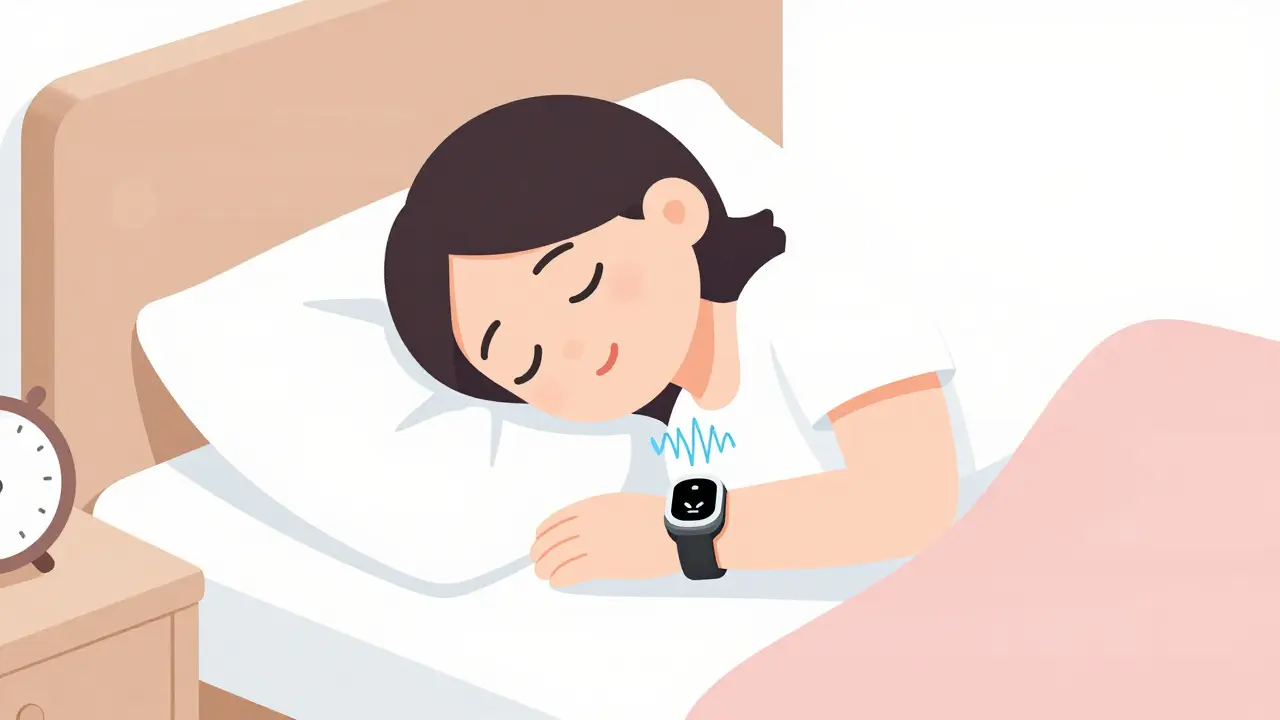
Ever wonder why you feel tired even after a full night's sleep? It turns out most people misjudge their sleep quality. This method, known as actigraphy sleep tracking, provides objective data that self-reports can't match. Developed in the 1980s for clinical research, actigraphy uses motion sensors in wrist-worn devices to monitor rest and activity cycles. Today, it powers everything from medical-grade tools to everyday fitness trackers.
What is Actigraphy?
Actigraphy is a non-invasive technique that tracks sleep and wake patterns using accelerometers. These tiny sensors detect movement, which algorithms convert into sleep estimates. Originally designed for sleep labs, it's now common in consumer wearables like the Oura Ring and Fitbit Charge 5. Unlike self-reported sleep logs, actigraphy removes human bias, offering reliable data for sleep analysis.
How Actigraphy Wearables Work
Accelerometer is the core sensor in these devices. Modern wearables use tri-axial accelerometers that capture motion in three directions at 100Hz or higher. This data gets processed through algorithms to determine sleep stages and wake periods. For example, the Philips Actiwatch Spectrum Plus measures sleep efficiency (percentage of time asleep while in bed) and wake after sleep onset (minutes awake after falling asleep).
| Feature | Clinical Devices | Consumer Wearables |
|---|---|---|
| Accuracy | 90-95% vs PSG | 75-90% for sleep/wake |
| Price | $1,200-$1,800 | $99-$299 |
| Use Case | Diagnosis and treatment monitoring | General sleep awareness |
| FDA Clearance | Yes (e.g., Philips Actiwatch) | No (general wellness) |
Accuracy and Limitations
While actigraphy gives better data than guesswork, it has real limits. Studies show it correctly identifies sleep 75-90% of the time for consumer devices but struggles with motionless wakefulness. If you lie still while awake, the device might mistake it for sleep. A 2023 PMC study found specificity (detecting true wake) ranges from 26.9% to 77% for healthy people. That's why experts like Dr. Cathy Goldstein from the University of Michigan say actigraphy should complement clinical evaluations, not replace them. It's great for spotting patterns over weeks but can't diagnose specific disorders like sleep apnea.
Practical Tips for Home Use
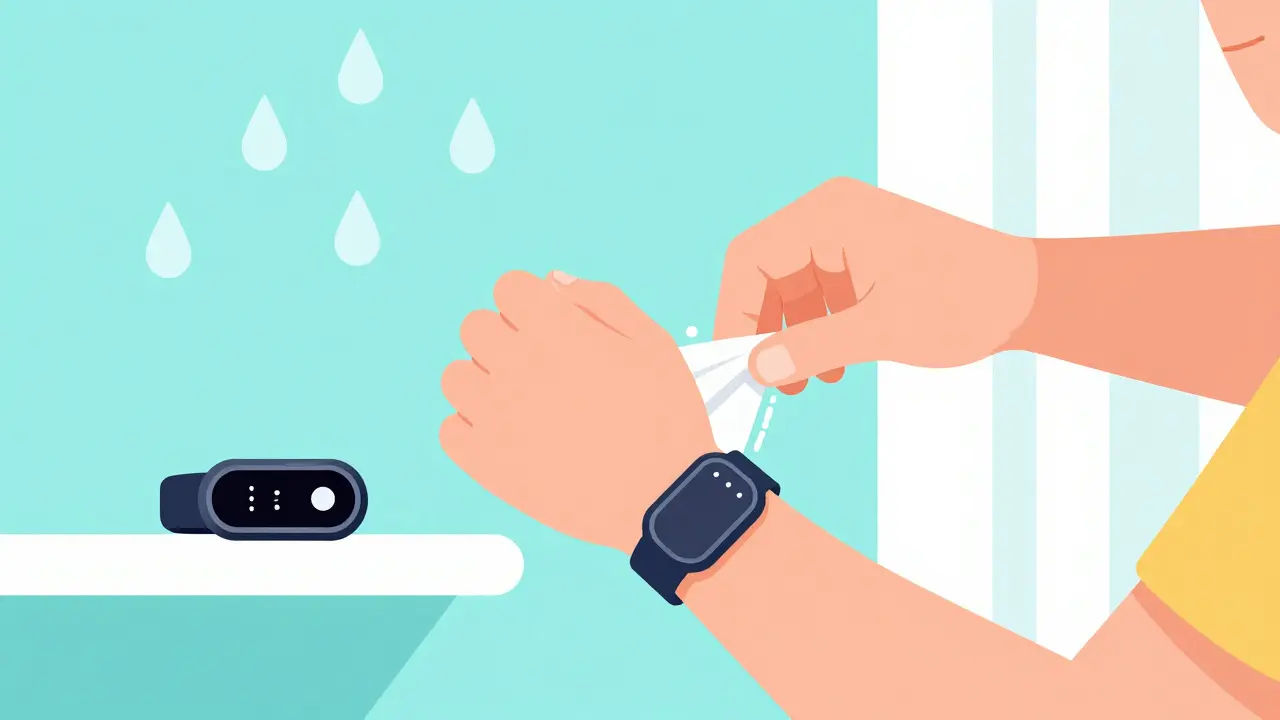
Want to try actigraphy at home? Start by wearing the device on your non-dominant wrist. A 2023 Nature and Science of Sleep study found misplacement reduces accuracy by up to 22%. Keep it on for 7-14 consecutive days to get reliable baseline data. Remove it only for showers or swimming-taking it off for more than 2 hours daily cuts data validity by 18%. Focus on trends, not single nights. The Cleveland Clinic notes daily sleep variation of 30-45 minutes is normal and not clinically significant. Apps like Oura's "Readiness Score" help interpret data by showing how your sleep affects daytime energy.
Choosing the Right Device
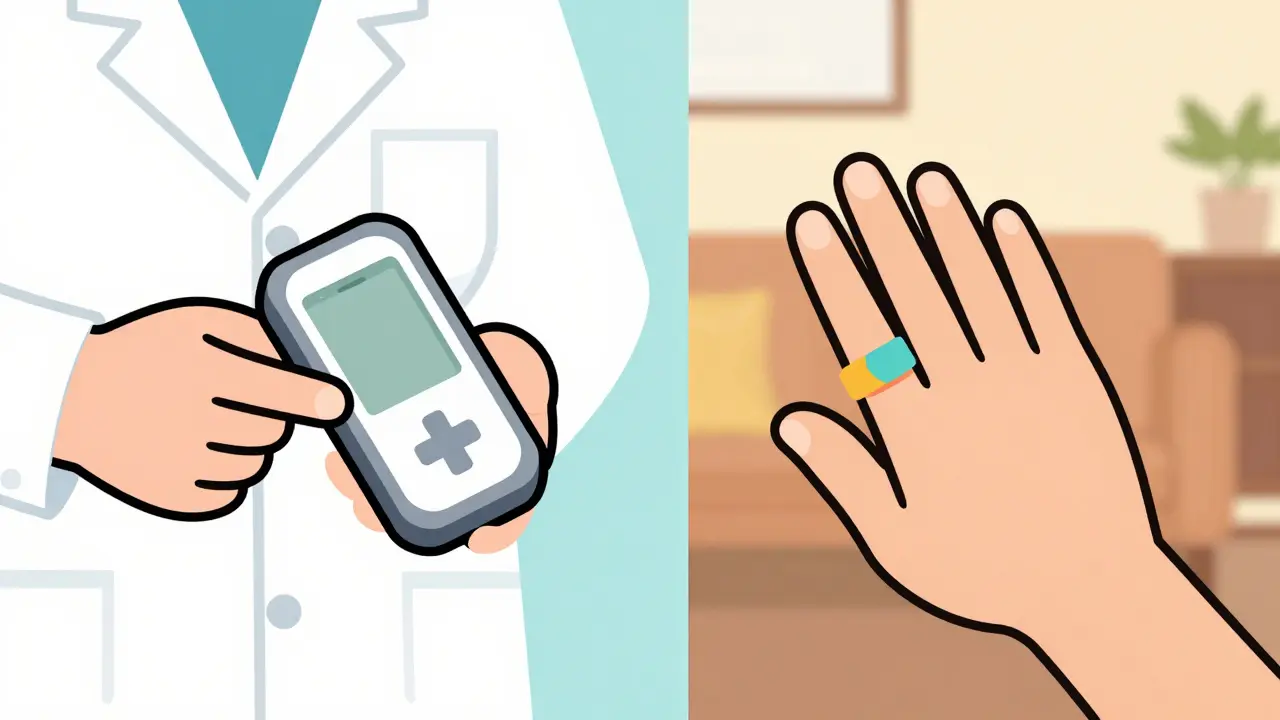
Not all wearables are equal. Clinical devices like the Philips Actiwatch Spectrum Plus ($1,200-$1,800) offer high accuracy for medical use but require a doctor's order. Consumer options like the Oura Ring Generation 3 ($299) or Fitbit Charge 5 ($99) are more accessible. The Oura Ring tracks temperature and heart rate variability alongside motion, improving sleep stage estimates. Fitbit devices sync easily with smartphone apps for quick insights. If you're tracking jet lag or shift work, the ActivInsights Actiwatch Spectrum Plus shows 89% accuracy in detecting circadian phase shifts over 14+ days. Always check FDA clearance for medical-grade devices and remember consumer wearables operate under "general wellness" guidelines.
User Experiences and Real-World Insights
Real users have mixed feelings. On Reddit, a January 2024 thread about the Oura Ring had 347 comments: 68% reported better sleep awareness, but 42% noted discrepancies between tracked sleep and how rested they felt. Amazon reviews for the Fitbit Charge 5 (27,845 reviews) praise its 4-day battery life but cite "inaccurate sleep stage tracking" in 35% of negative reviews. A 2023 Consumer Reports survey of 1,247 users found 78% felt more motivated to improve sleep habits after one month of use, yet 63% struggled to interpret sleep efficiency metrics. Business travelers swear by it-Condor Instruments' case study showed 82% of frequent flyers improved sleep scheduling after 4+ weeks of actigraphy data. But security researchers warn about data privacy risks: many apps transmit raw sleep data without encryption, as highlighted in a February 2024 Hacker News thread.
Future of Sleep Tracking Technology
Expect big changes soon. In January 2024, Garmin released a fourth-generation algorithm that improved wake detection accuracy by 16% using heart rate variability data. The NIH recently funded $2.8 million for AI-powered actigraphy analysis that boosts wake detection by 27%. Apple's rumored "Sleep Study" feature for Apple Watch could launch by late 2024, combining motion, temperature, and audio sensing. Market analysts at Gartner predict sleep tracking tech will grow 19.7% annually through 2028. But experts like Dr. Phyllis Zee warn of "orthosomnia"-sleep anxiety caused by obsessing over data. The key is using these tools to understand patterns, not obsess over perfect numbers.
Can actigraphy diagnose sleep disorders?
No. Actigraphy provides valuable data on sleep patterns but can't diagnose specific disorders like sleep apnea or narcolepsy. The American Academy of Sleep Medicine states actigraphy has "moderate evidence" for insomnia assessment but "low evidence" for diagnosing other disorders. Always consult a sleep specialist for clinical diagnosis.
How accurate are consumer sleep trackers?
Consumer wearables like Fitbit or Oura Ring correctly identify sleep/wake states 75-90% of the time for total sleep time, but struggle with sleep stages. Studies show they're less accurate at detecting wakefulness during the night (specificity ranges 26.9%-77%). They're best for spotting trends over weeks, not precise nightly measurements.
Should I wear the device every night?
Yes, for consistent data. Removing it for more than 2 hours daily reduces data validity by 18%, according to ActivInsights. Keep it on during showers only if water-resistant (like Oura Ring's 50m rating). For clinical purposes, wear it continuously for 7-14 days to capture reliable patterns.
What metrics should I focus on?
Start with Total Sleep Time and Sleep Efficiency (time asleep vs time in bed). Sleep Efficiency below 85% for two weeks may indicate issues. Wake After Sleep Onset (minutes awake after falling asleep) is also useful. Avoid fixating on sleep stages-consumer devices can't measure REM or deep sleep accurately. Focus on how trends affect daytime energy, not single-night numbers.
Is my sleep data safe?
Not always. Security researcher Alex Birsan found many consumer sleep apps transmit raw actigraphy data without end-to-end encryption. Check if your device uses encrypted storage and secure cloud services. Some health insurance companies now request sleep data for wellness programs, so review privacy policies carefully before sharing.


Post A Comment