
When you hear therapeutic equivalence, the official designation that two drugs produce the same clinical effect and safety profile in patients. Also known as bioequivalence, it’s the reason pharmacies can swap your brand-name pill for a cheaper generic without your doctor’s approval. But here’s the catch: just because two drugs are labeled therapeutically equivalent doesn’t mean they’ll work the same for everyone. For drugs with a narrow therapeutic index, a small difference in blood levels can cause serious harm or treatment failure—like levothyroxine, warfarin, or lithium—even tiny variations in how your body absorbs the generic version can throw off your entire treatment.
Most people switch to generics without issue. But if you’ve ever felt different after a pharmacy change—more tired, jittery, or out of sorts—it’s not all in your head. The inactive ingredients (fillers, dyes, coatings) in generics can vary between manufacturers, and those can affect how fast or well the active drug gets into your bloodstream. That’s why people on levothyroxine, a thyroid hormone replacement critical for metabolism and energy often report mood swings or heart palpitations after switching brands. The FDA says these products are equivalent, but real-world experience shows that for some, consistency matters more than cost. The same goes for warfarin, a blood thinner where even a 10% change in absorption can mean the difference between a clot and a bleed. Doctors often prefer you stick with the same generic brand for a reason.
Therapeutic equivalence isn’t a one-size-fits-all guarantee. It’s a starting point. If you’re on a high-risk medication, ask your pharmacist which generic manufacturer you’re getting—and if you notice changes in how you feel, don’t ignore it. Keep a symptom log. Talk to your doctor about staying on the same brand. Your health isn’t a commodity to be swapped for savings. Below, you’ll find real stories and guides from people who’ve navigated this exact issue—from why some generics cause side effects to how to spot hidden risks in your prescription. These aren’t theoretical debates. These are the choices that keep people safe.
Authorized generics offer the exact same medication as brand-name drugs at lower prices, with no changes to ingredients or effectiveness. Learn how they help patients avoid side effects and save money.
Read More
Generic drugs make up 90% of prescriptions but many clinicians still doubt their effectiveness. Learn how provider education closes knowledge gaps, improves patient adherence, and saves billions in healthcare costs.
Read More
Generic combination drugs save money but can differ in inactive ingredients from brand versions, causing side effects or reduced effectiveness for some patients-especially those on narrow therapeutic index medications.
Read More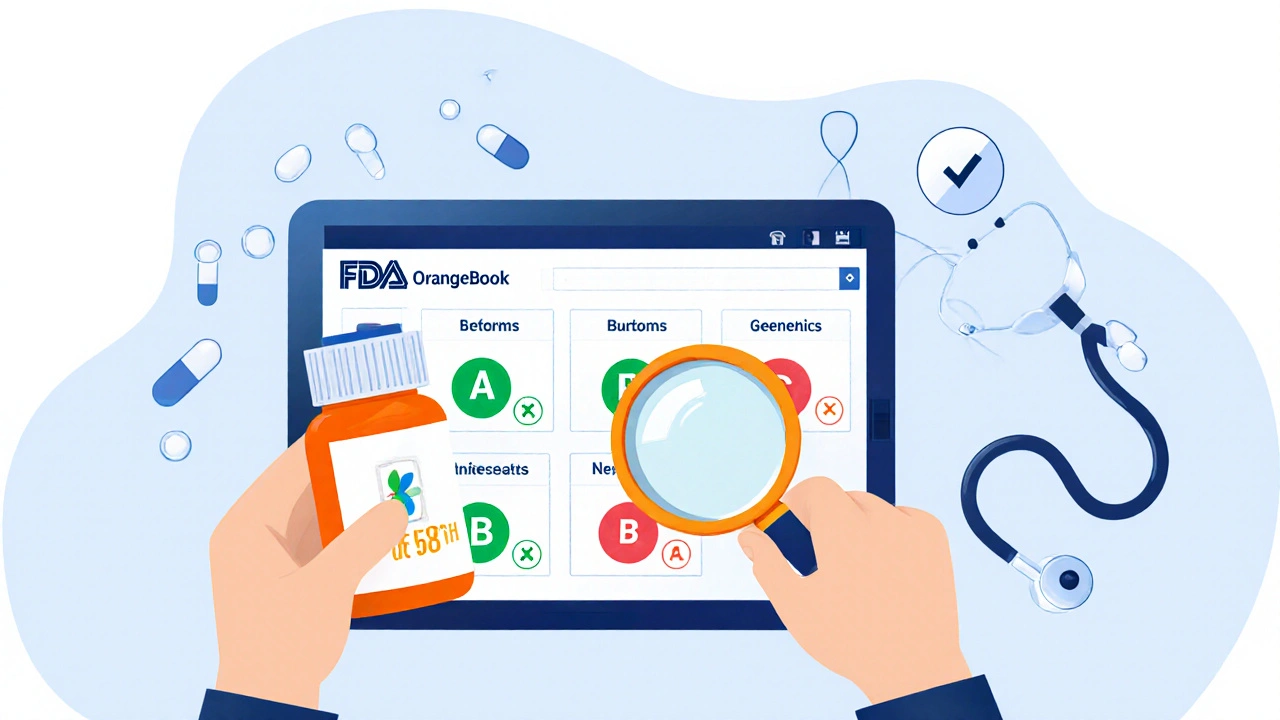
Learn how to use the FDA Orange Book to verify if a generic drug is truly equivalent to its brand-name version. Understand TE codes, AB ratings, and common mistakes to avoid unsafe substitutions.
Read More