
When a medication causes unexpected harm—like severe dizziness, liver damage, or a dangerous reaction with another drug—that’s called an adverse event, an unintended and harmful reaction to a medication that occurs at normal doses. Also known as drug side effects, these events are the reason we have systems in place to track and report them. Without adverse event reporting, dangerous patterns like vancomycin flushing or serotonin syndrome from 5-HTP and SSRIs might go unnoticed until many people are hurt.
Adverse event reporting isn’t just for doctors and pharmacists. It’s a two-way street. Patients report symptoms after taking a new pill. Pharmacies flag unusual reactions. Researchers spot trends across thousands of cases. This data feeds into pharmacovigilance, the science and activities relating to the detection, assessment, understanding, and prevention of adverse effects of medicines. It’s how we learned that St. John’s wort can make birth control fail, or why generic levothyroxine needs careful monitoring because of tiny differences in inactive ingredients. These aren’t theoretical risks—they’re real, documented events that changed prescribing habits and patient advice.
When you hear about a drug being pulled from the market or getting a black box warning, it’s usually because of hundreds or thousands of reports added up over time. The FDA and global health agencies rely on this information to update labels, issue safety alerts, or even redesign how a drug is used. That’s why your report matters—even if you think it’s "just" a headache or mild rash. When others report the same thing, it becomes a pattern. And patterns save lives. You’ll find posts here that dive into specific cases: how anticonvulsants interfere with birth control, why alcohol spikes INR on warfarin, or how statin intolerance clinics help people get back on life-saving meds. These aren’t just stories—they’re examples of adverse events that were tracked, studied, and acted on. The collection below gives you the real-world context behind every warning label, every "call your doctor" note, and every change in how a drug is prescribed.
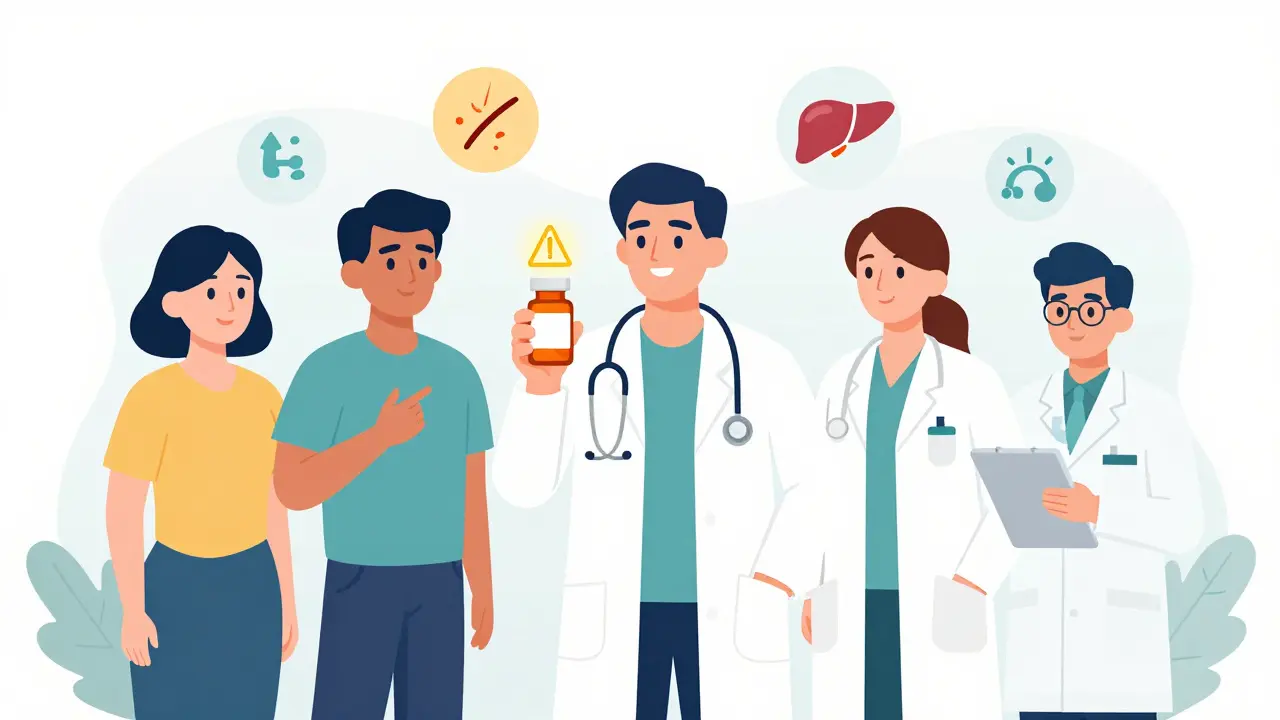
Learn how to report a suspected adverse drug reaction to the FDA using MedWatch, phone, or mail. Understand what counts as serious, who should report, and why your report matters for drug safety.
Read More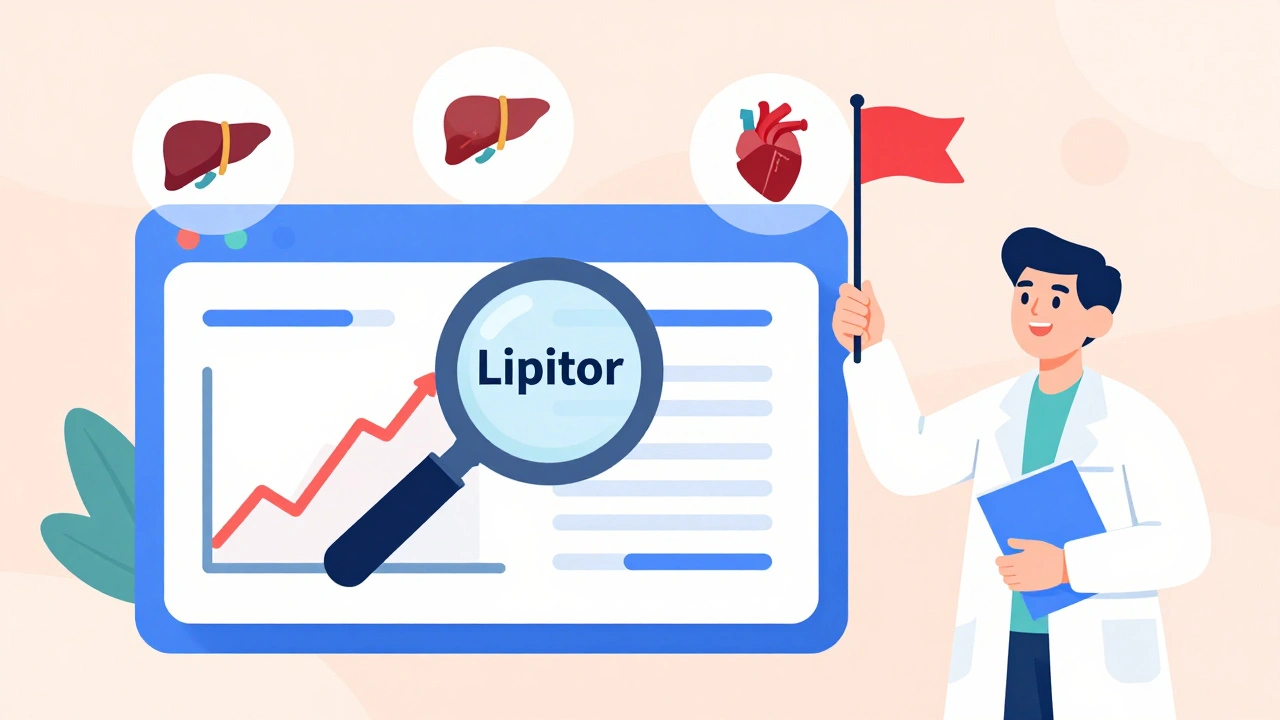
Learn how to access and use the FDA's FAERS database for safety monitoring. Understand its tools, limitations, and how researchers, patients, and doctors use real-world adverse event data to spot drug risks.
Read More