
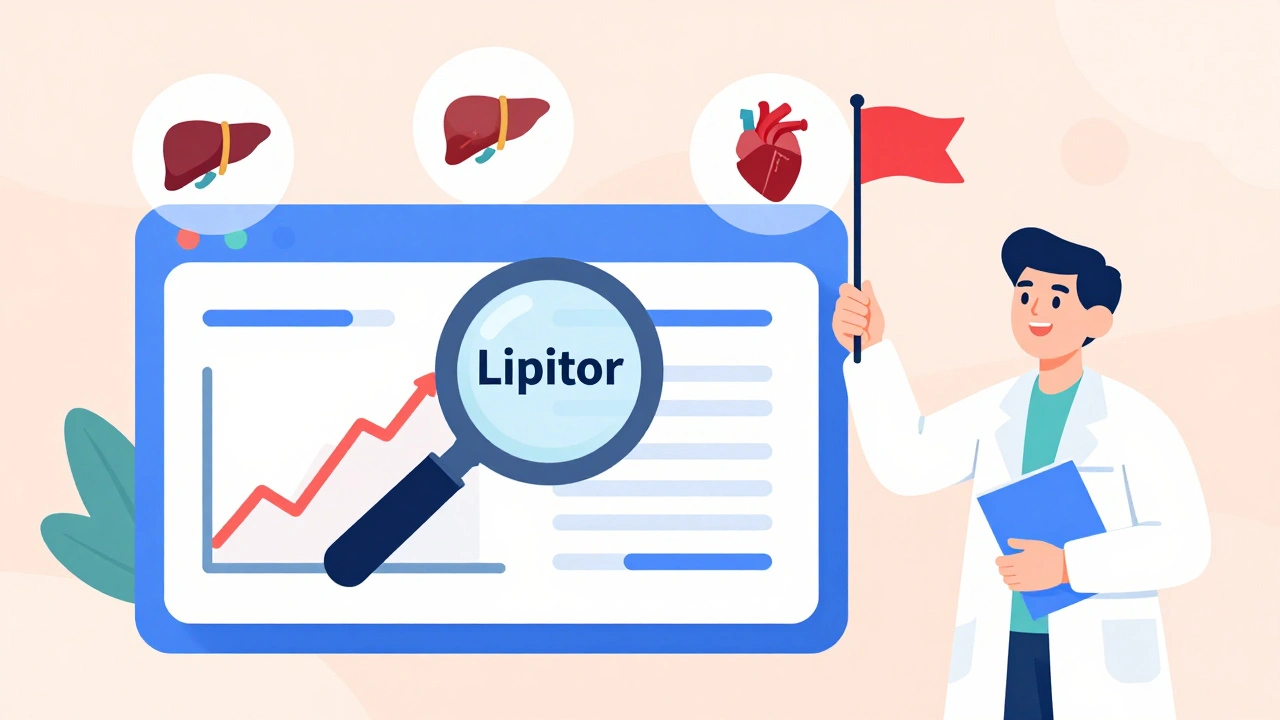
The U.S. Food and Drug Administration (FDA) doesn’t just approve drugs - it watches what happens after they’re on the market. That’s where the FAERS database comes in. It’s the largest public repository of adverse event reports in the world, tracking everything from mild rashes to rare heart issues linked to medications. If you’re a researcher, a healthcare provider, or even a patient curious about drug safety, knowing how to use this system is essential. But it’s not as simple as typing a drug name into a search box. The data is powerful, but messy. And if you don’t understand its limits, you’ll draw the wrong conclusions.
What Is FAERS, and Why Does It Matter?
FAERS stands for the FDA Adverse Event Reporting System. It’s been collecting reports since 1969, and today it holds over 30 million entries. Every year, about 2 million new reports are added - from doctors, pharmacists, patients, and drug manufacturers. These aren’t clinical trial results. They’re real-world stories: a 72-year-old woman who developed liver damage after taking a new cholesterol drug, a teenager who had seizures after starting an ADHD medication, or a nurse who noticed a pattern of low blood pressure in patients using a newly approved antibiotic. The goal? Spot signals. A signal is when a certain drug keeps showing up with the same unusual side effect, more than you’d expect by chance. That’s how the FDA found the link between Vioxx and heart attacks, or how they flagged a rare brain condition tied to certain migraine drugs. FAERS doesn’t prove causation - it raises red flags that need deeper study. Unlike private databases used by drug companies, FAERS is public. You don’t need a license to access it. That transparency is rare globally. The European Medicines Agency keeps its data locked down. WHO’s VigiBase has more countries, but no easy tools. FAERS gives you a dashboard you can use right away - no programming needed.Three Ways to Access the Data
There are three main ways to get into FAERS, each suited to different needs.- FAERS Public Dashboard - This is the easiest entry point. Go to the FDA’s website, and you’ll find an interactive map and charts. You can filter by drug name, adverse event (like "dizziness" or "heart attack"), patient age, gender, and year. Results update quarterly. If you’re just starting out - say, you’re a student or a patient advocate - this is where you begin. No login. No training. Just click and explore.
- Quarterly Data Extracts - These are raw files: ASCII or XML, each 1-5GB in size. They’re downloaded from the FDA’s website and require software like Python or R to open. This is for researchers who need to run custom analyses. You can compare trends across years, build statistical models, or look for rare combinations. But it’s not beginner-friendly. One researcher told me it took her 60 hours just to learn how to clean the data.
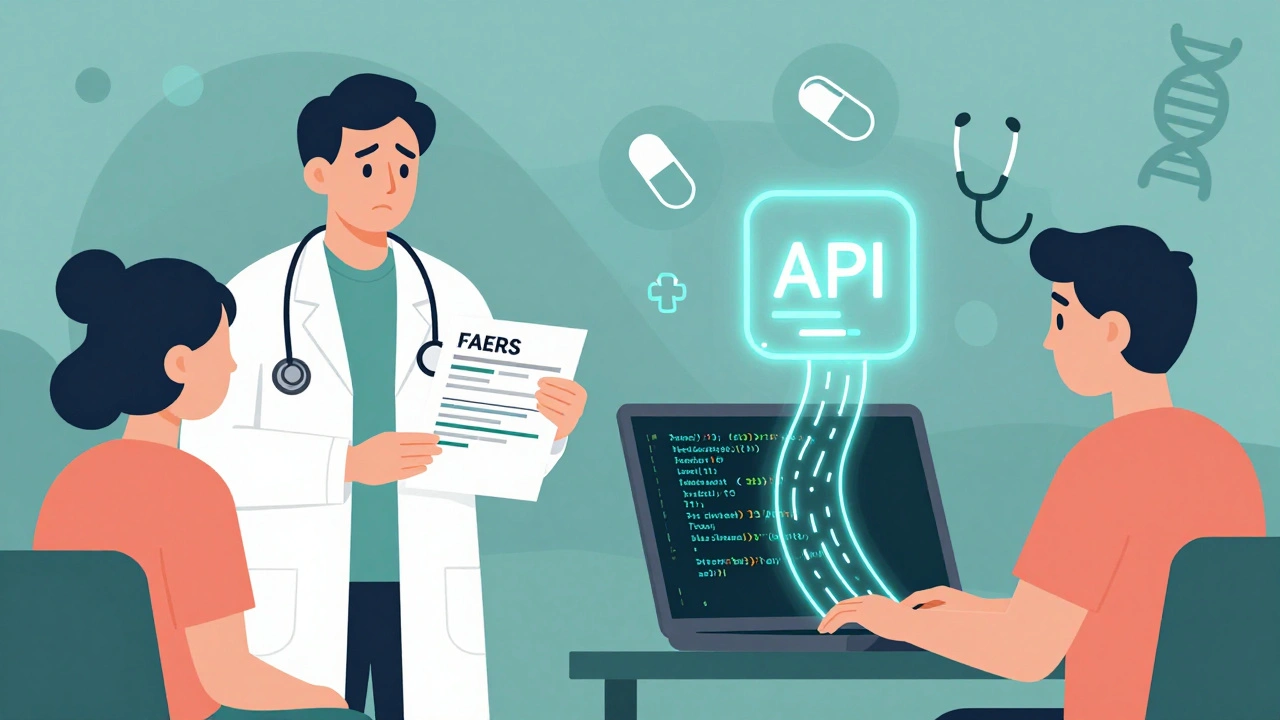
- OpenFDA API - If you’re a developer or work with tech tools, this is your best bet. The API returns data in JSON format. You can build your own app, automate reports, or connect FAERS to electronic health records. The FDA updated this API in 2024 to support the new E2B(R3) format, which means more detailed data - like exact dosages and start/stop dates for medications.
Understanding the Data: What’s in a Report?
Each report in FAERS looks like a medical case note. It includes:- Patient info (age, gender, initials - no full names)
- Drug names, doses, and when they were taken
- Adverse event description, coded using MedDRA - a global medical terminology system
- Outcome: Did the person recover? Die? Need hospitalization?
- Who reported it: doctor, pharmacist, patient, or manufacturer
Why the Data Is Flawed - And How to Work Around It
No database is perfect. FAERS has three big problems:- Underreporting - Only 1% to 10% of actual adverse events get reported. Mild side effects? Most people ignore them. Serious ones? Doctors might forget to file a report.
- Reporting bias - Healthcare professionals report more serious events. Patients report more often for drugs they take themselves - like painkillers or antidepressants. That skews the data. You’ll see tons of reports for common OTC meds, but fewer for hospital-only drugs.
- No denominator - You can’t calculate how common a side effect is. If 100 people report nausea from Drug X, is that 1 in 100 users? 1 in 10,000? FAERS doesn’t tell you how many people took the drug. That’s the biggest limitation for researchers.
Who Uses FAERS - And How
Academic researchers use FAERS the most - 55% of users. They’re the ones publishing papers on drug risks, often using the raw data extracts. Pharmaceutical companies (30%) use it too, but mostly through commercial tools like Oracle Argus that pull FAERS data into their own systems. Patient groups (15%) are the quiet heroes. In 2022, a group in Minnesota used FAERS to find a hidden interaction between a common antidepressant and a diabetes drug. It affected about 1 in 10,000 users - too rare for clinical trials to catch. Their findings led to a label update by the FDA. Even the FDA itself relies on FAERS. In 2023, they used it to investigate a spike in liver injuries linked to a new weight-loss drug. The dashboard flagged the pattern. Researchers then checked medical records. Within months, the FDA issued a warning.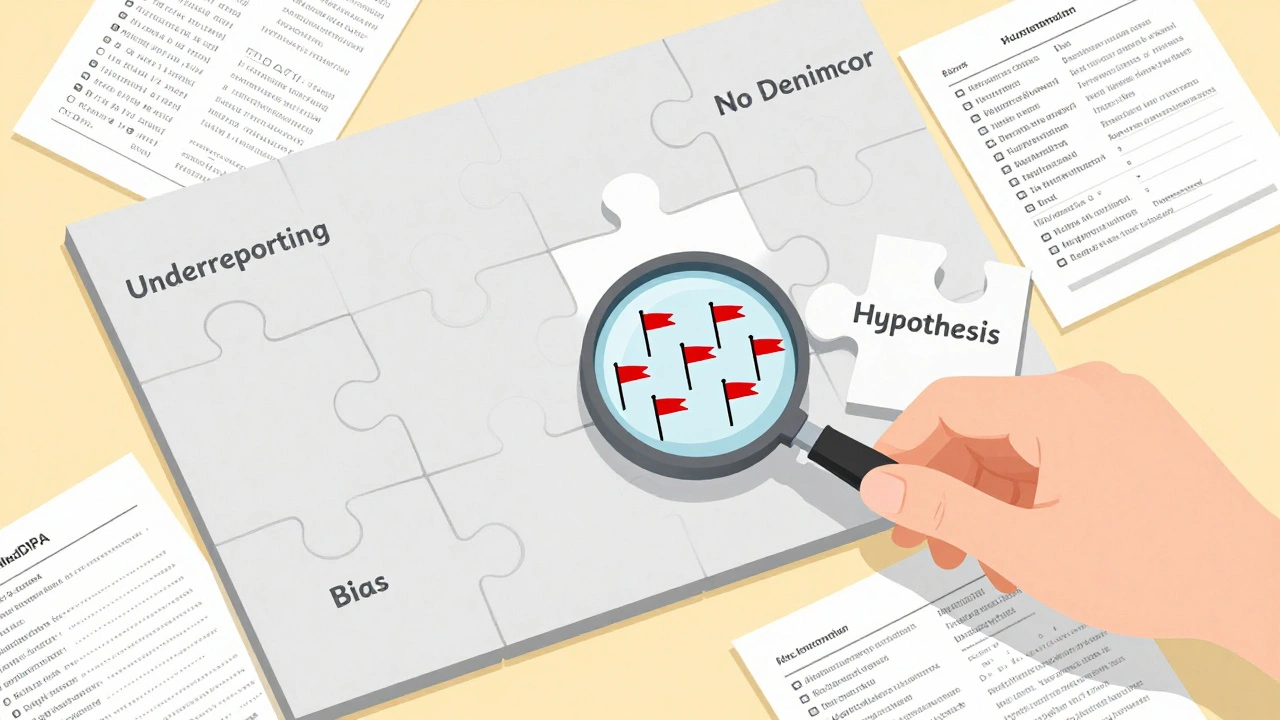
Tools and Training: Getting Started
If you’re new to FAERS:- Start with the Public Dashboard. Spend an hour exploring. Search for your favorite drug. Look at trends over time.
- Learn MedDRA basics. The FDA offers free tutorials. Focus on the hierarchy: Preferred Terms → High-Level Terms → System Organ Classes.
- For raw data, download a quarterly file and open it in Excel first. You’ll see columns like "DRUGNAME," "REACPT" (reaction term), and "OUTCAME." Look for patterns in the outcomes column - "death," "hospitalization," "disabling."
- Join the FDA’s quarterly webinars. They’re free, live, and cover real examples. Attendance is usually 250-300 people.
What’s Next for FAERS?
The FDA is upgrading. By late 2024, they’ll launch a new API that lets you query the dashboard’s analytics directly. In 2025, they plan to add AI-powered search - so you can type "fever after taking this pill" and get relevant reports, even if they used different wording. They’re also working with the Sentinel Initiative to link FAERS with insurance claims and electronic health records. That could finally solve the denominator problem. Imagine knowing not just how many people reported a side effect, but how many took the drug in the first place. But the biggest change? Transparency. FAERS is now the model other countries look to. Canada and Australia are copying its dashboard. The European Medicines Agency is considering opening more data.Final Thoughts: Use It Wisely
FAERS isn’t a magic bullet. It’s a starting point. It won’t tell you if a drug is safe. But it will tell you if something strange is happening - and that’s more than most countries can offer. If you’re a researcher, use it to find questions. If you’re a clinician, use it to spot red flags in your patients. If you’re a patient, use it to understand what others have experienced. Just don’t assume correlation means causation. The data is raw. The interpretation? That’s where your judgment matters.Can anyone access the FDA FAERS database for free?
Yes. The FAERS Public Dashboard and quarterly data extracts are completely free and open to the public. You don’t need to register or pay anything. The OpenFDA API is also free to use. Only pharmaceutical companies submitting reports need to apply for a Safety Reporting Portal account, which is free but requires a formal request.
Is FAERS data reliable for proving a drug causes side effects?
No. FAERS collects spontaneous reports - meaning anyone can submit them, and they’re not verified. The FDA explicitly states that FAERS data alone cannot prove causation. A report linking a drug to a side effect doesn’t mean the drug caused it. Other factors like underlying conditions, other medications, or coincidence could be involved. FAERS is best used to identify potential safety signals that require further investigation through controlled studies.
What’s the difference between the FAERS Public Dashboard and the raw data extracts?
The Public Dashboard is a user-friendly web tool that lets you filter and visualize data with clicks - no technical skills needed. It’s great for quick exploration. Raw data extracts are large files (1-5GB) in ASCII or XML format that require programming skills (Python, R, SQL) to open and analyze. They give you full control over the data but take time to learn. Most researchers start with the dashboard, then move to raw data for deeper analysis.
How often is FAERS data updated?
FAERS data is updated quarterly. New reports are added four times a year - in March, June, September, and December. The Public Dashboard and data extracts are refreshed simultaneously. The FDA also releases a summary report with each update, highlighting new safety signals or changes in reporting trends.
Why are MedDRA codes important in FAERS?
MedDRA is the standardized medical terminology used to code adverse events in FAERS. Without it, "headache," "throbbing pain," and "migraine" would all be treated as different entries. MedDRA groups them under one hierarchy, making it easier to spot patterns. For example, all types of seizures fall under one parent term. If you’re analyzing data, understanding MedDRA helps you avoid missing related events. The FDA provides free MedDRA training materials to help users navigate the system.
Can I use FAERS data for my research paper or publication?
Yes. FAERS data is widely used in academic research. Thousands of peer-reviewed papers have been published using FAERS. The FDA encourages its use for safety research. However, you must acknowledge the limitations - especially the lack of causality and underreporting. Always cite the data source as "FDA FAERS database" and reference the specific quarterly release date you used. Many journals require this transparency.


Post A Comment