
When you take a pill, you expect it to help—not hurt. But patient safety, the practice of preventing harm during medical treatment. Also known as medication safety, it’s not just about doctors and nurses. It’s about you knowing what’s in your medicine, when to take it, and when to ask questions. Too many people assume their prescriptions are harmless. That’s where things go wrong. A simple mistake—like taking levothyroxine with coffee, or missing a B12 test while on metformin—can lead to nerve damage, thyroid imbalance, or worse. And it’s not always about dosage. Some pills contain hidden animal ingredients like gelatin or magnesium stearate, which can be a dealbreaker for vegans and vegetarians. If you don’t know what’s in your medication, you’re not just uninformed—you’re at risk.
Drug interactions are another silent threat. Warfarin doesn’t play nice with certain foods or supplements. Antivert and other vertigo meds can make you dizzy for hours. Even common painkillers like ibuprofen can raise blood pressure or hurt your kidneys if taken long-term. And when you’re older, mixing olmesartan and amlodipine might sound fine—until your body can’t handle the combo. Patient safety means understanding how your meds talk to each other, to your food, and to your body’s natural rhythms. It’s not enough to read the leaflet. You need to know what to look for: unexplained fatigue, strange rashes, sudden memory lapses, or diarrhea that won’t quit. These aren’t just side effects—they’re warning signs.
And then there’s the bigger picture. Some drugs, like lenalidomide, carry pregnancy risks so serious that strict contraception rules exist for a reason. Others, like azilsartan, can actually improve insulin sensitivity in people with metabolic syndrome—making them safer for long-term use than other blood pressure pills. Patient safety isn’t just avoiding harm. It’s choosing the right tool for your body. That’s why you’ll find guides here on everything from gluten-free meds for celiac disease to alternatives for scabies treatment that don’t burn your skin. You’ll see how enzyme deficiencies can trigger anxiety, how fiber helps with diarrhea, and why timing your thyroid pill matters more than you think. This isn’t theory. These are real people, real mistakes, and real fixes. The posts below give you the facts you need to speak up, ask for alternatives, and take control. Because when it comes to your health, no question is too small—and no detail is too minor.
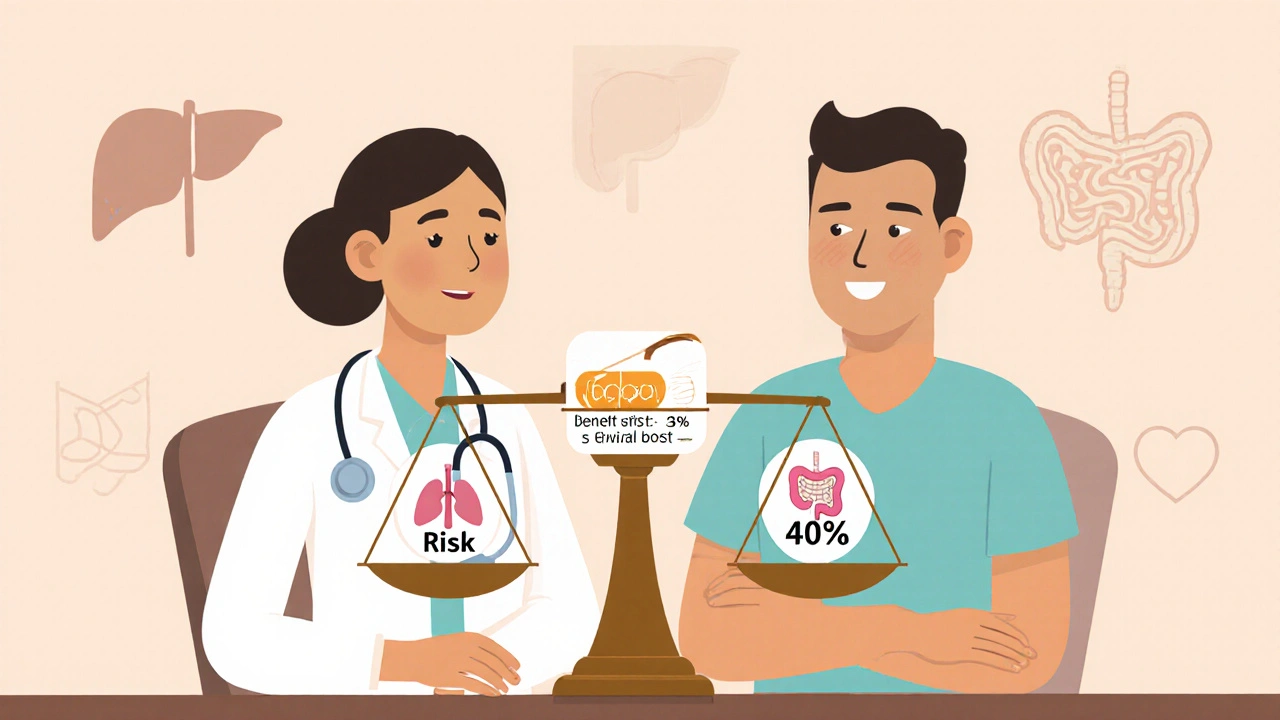
Healthcare providers weigh medication risks versus benefits to ensure treatments do more good than harm. This process considers disease severity, patient preferences, and real-world data to make safer, personalized decisions.
Read More