
When you take oral contraceptives, hormonal pills used to prevent pregnancy by stopping ovulation and thickening cervical mucus. Also known as birth control pills, they’re one of the most widely used forms of contraception—but their effectiveness isn’t guaranteed if other factors interfere. Many people assume that popping a pill every day is enough, but what you eat, what you take with it, and even your health history can change how well it works.
Herbal supplements, natural products sold without a prescription, often marketed as safe or gentle. Also known as plant-based remedies, they’re not always harmless when mixed with hormones. St. John’s wort, for example, is a popular herb for mood support, but it speeds up how your liver breaks down estrogen. That can drop hormone levels enough to cause breakthrough bleeding—or worse, an unintended pregnancy. Other supplements like activated charcoal or certain probiotics may reduce absorption, too. Even grapefruit juice, which many think is healthy, can interfere with how your body processes these pills.
Drug interactions, when one medication changes how another works in your body. Also known as medication conflicts, they’re not just about prescription drugs. Antibiotics like rifampin, seizure meds, and even some HIV treatments can make oral contraceptives less effective. And if you’ve ever wondered why your doctor asked about every pill, vitamin, or tea you take—it’s because these interactions aren’t theoretical. Real cases of contraceptive failure have been documented, often because the person didn’t realize their supplement or cold medicine was the culprit.
Side effects matter too. Nausea, mood swings, headaches, and weight changes are common when starting oral contraceptives, but they’re not the same for everyone. Some people tolerate one brand perfectly, then have a bad reaction to a generic version—even though the active ingredients are identical. That’s because the fillers, coatings, and binders can affect how quickly the pill dissolves and gets absorbed. If you’ve ever felt like your birth control suddenly stopped working or started causing new symptoms, it might not be in your head—it could be in the inactive ingredients.
Oral contraceptives aren’t just about preventing pregnancy. They’re also used to treat acne, heavy periods, and hormonal imbalances. But if you’re managing another condition—like thyroid disease, depression, or high blood pressure—your pill might need to be chosen carefully. That’s why a one-size-fits-all approach doesn’t work. Your body’s chemistry, your lifestyle, and the other things you take all shape how oral contraceptives behave in you.
Below, you’ll find real-world stories and science-backed insights about what can go wrong—and what you can do to stay protected. From herbal mix-ups to generic pill surprises, these articles cover the hidden risks most people never hear about. You don’t need to guess whether your birth control is working. Let the facts show you.
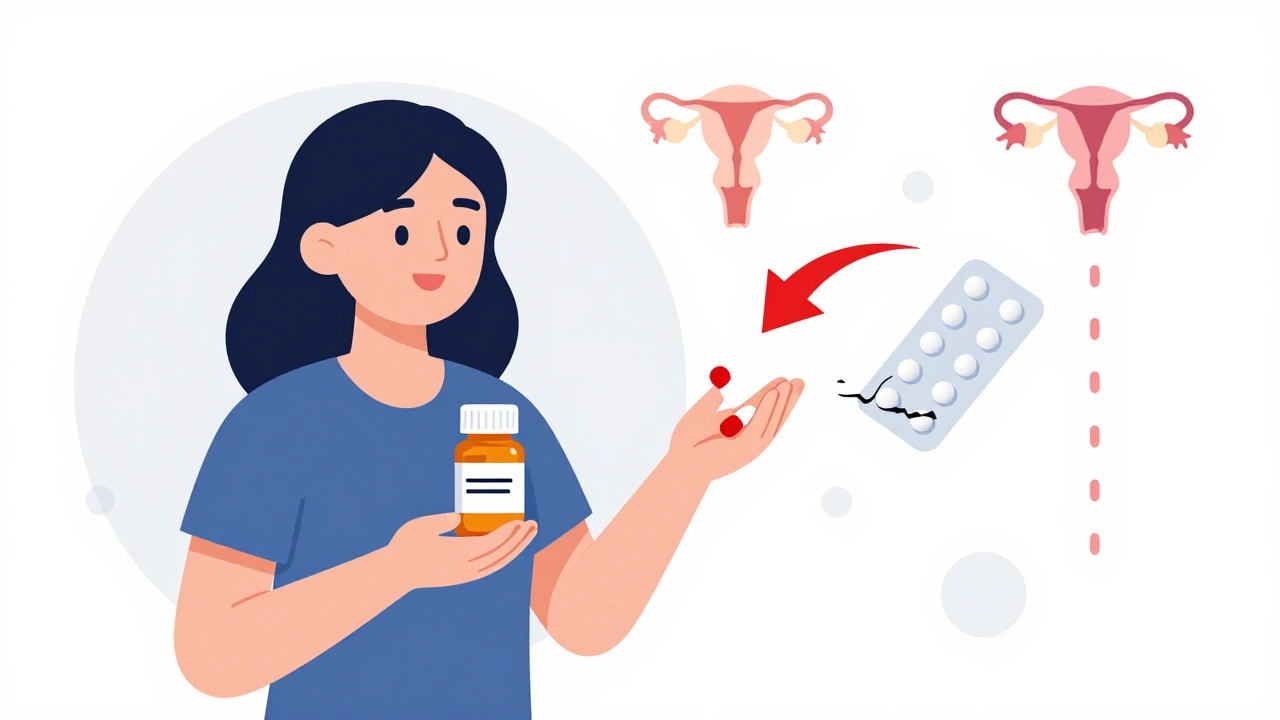
Many anticonvulsants reduce the effectiveness of birth control pills, patches, and rings, raising the risk of unplanned pregnancy. Learn which seizure meds interfere, which birth control methods still work, and what to do now.
Read More