
Anticonvulsant Birth Control Checker
This tool checks if your anticonvulsant medication reduces birth control effectiveness. Based on the latest medical guidelines, it identifies safe options and warns about risks.
Results
Select your medications and birth control to see results
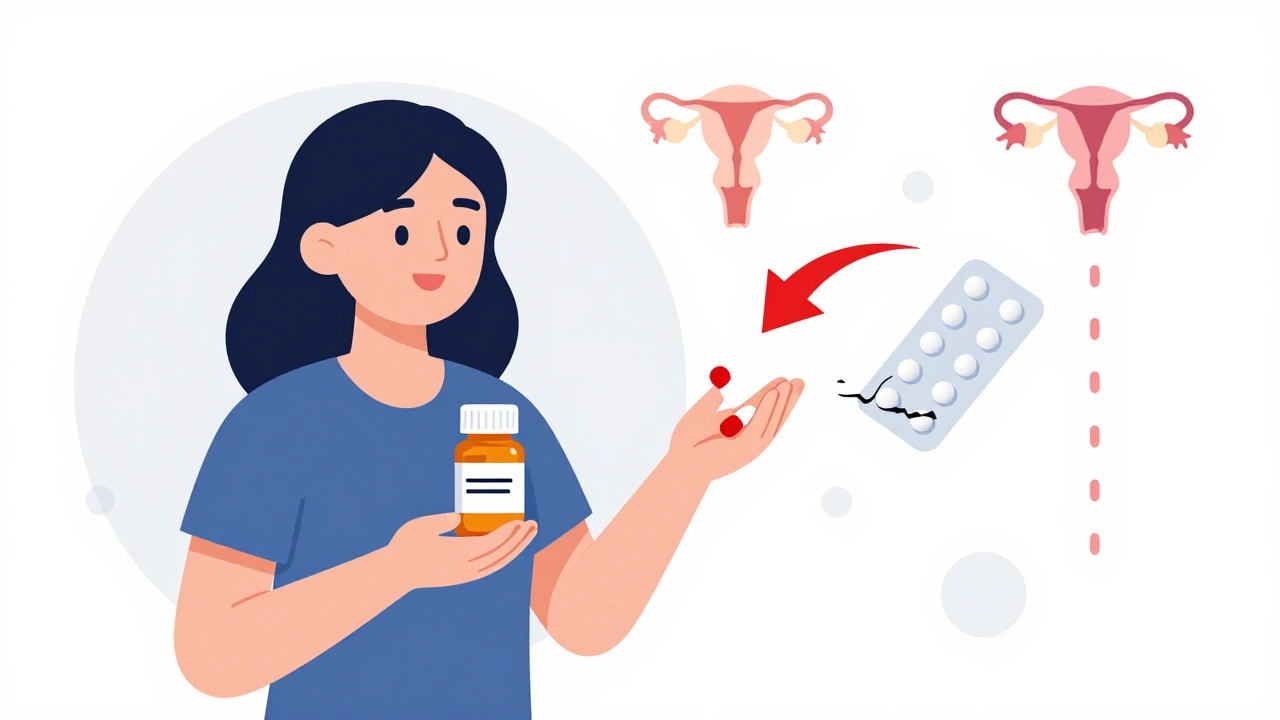
Many women taking medication for seizures face a hidden risk: their birth control might not work as well as they think. This isn’t a myth or a rare side effect-it’s a well-documented, clinically significant interaction that can lead to unplanned pregnancy. If you’re on anticonvulsants and using the pill, patch, or ring, you need to know the facts-before it’s too late.
Which Anticonvulsants Kill Birth Control Effectiveness?
Not all seizure medications mess with birth control. Only the ones that boost liver enzymes do. These are called enzyme-inducing antiepileptic drugs (EIAEDs). They speed up how fast your body breaks down estrogen and progestin, the hormones in most birth control methods. The result? Hormone levels drop too low to prevent ovulation.The big offenders include:
- Carbamazepine (Tegretol)
- Oxcarbazepine (Trileptal)
- Phenytoin (Dilantin)
- Phenobarbital
- Primidone (Mysoline)
- Topiramate (Topamax) - especially at doses over 200 mg/day
- Felbamate (Felbatol)
Studies show these drugs can slash ethinyl estradiol (the estrogen in most pills) by 15% to 60%. Progestin levels can drop by 20% to 50%. At 400 mg/day of topiramate, estrogen levels plummet by 43%. That’s not a small drop-it’s enough to let ovulation happen.
What Birth Control Methods Are Still Safe?
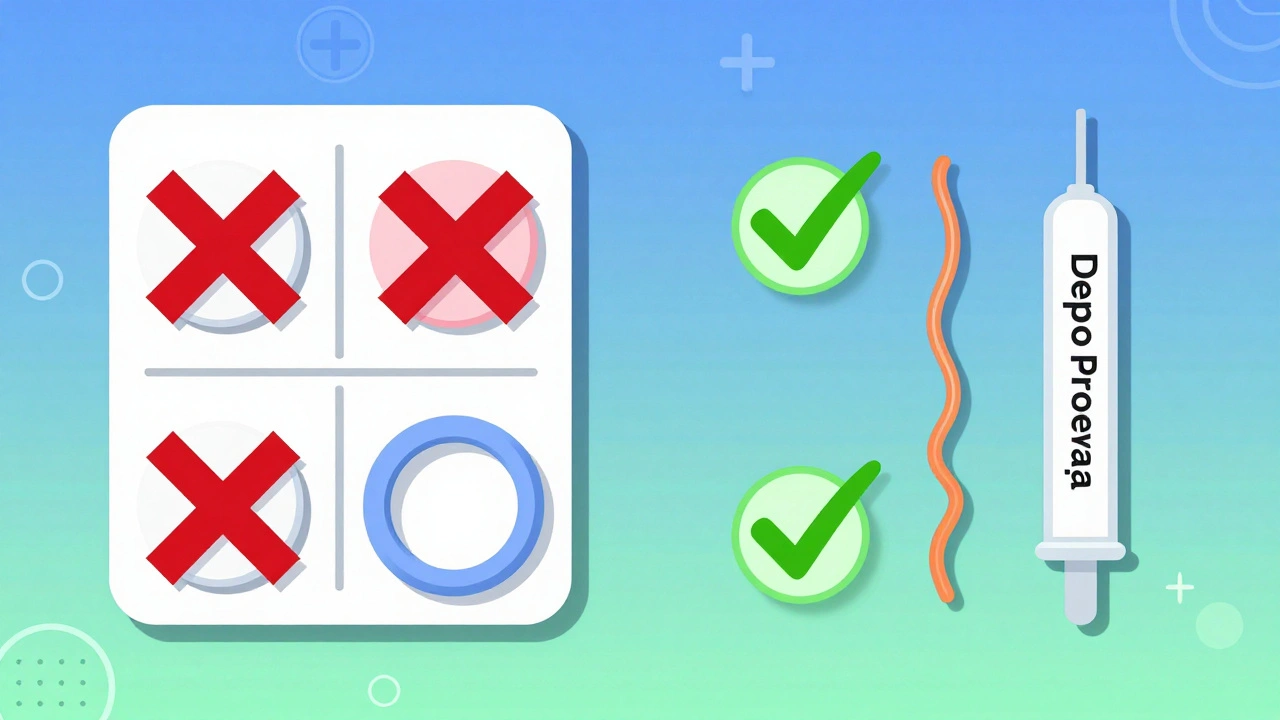
If you’re on one of these drugs, your options change. The good news? Some methods still work perfectly.Best options:
- Levonorgestrel IUDs (Mirena, Kyleena): These release progestin directly into the uterus. Even with enzyme inducers, pregnancy rates stay below 0.1% per year.
- Copper IUD (ParaGard): No hormones at all. Works by creating a sperm-killing environment. Completely unaffected by any drug.
- Depo-Provera (DMPA): The shot delivers 150 mg of progestin every 12-13 weeks. That high dose overpowers the liver’s increased metabolism.
Methods to avoid:
- Combined oral contraceptives (the pill)
- The patch (Ortho Evra)
- The ring (NuvaRing)
These all rely on hormones that get broken down too fast. Even high-dose pills (50 mcg ethinyl estradiol) aren’t fully reliable. The FDA warns that Tegretol’s label says birth control “may be ineffective” when taken together.
Lamotrigine: The Odd One Out
Lamotrigine (Lamictal) doesn’t induce liver enzymes-but it’s still a problem. It’s the opposite: your birth control breaks down lamotrigine. Combined hormonal contraceptives can cut lamotrigine levels by 50%. That’s dangerous. If your seizure control depends on lamotrigine, dropping its levels could trigger seizures-or worse, status epilepticus.And here’s the twist: when you stop taking the pill during your placebo week, lamotrigine levels spike by 30-40%. That can cause dizziness, blurred vision, or even a rash that turns life-threatening.
If you need both lamotrigine and birth control, your options are:
- Use a non-estrogen method (IUD or shot)
- Switch to extended-cycle pills (skip the placebo week) to keep lamotrigine levels stable
- Boost your lamotrigine dose by 50-100% under close supervision
Never adjust lamotrigine on your own. Talk to both your neurologist and gynecologist.
Emergency Contraception? Not Reliable.
If you had unprotected sex and you’re on an enzyme-inducing anticonvulsant, Plan B (levonorgestrel) might not work. Studies show its effectiveness drops by about 50%. Ulipristal acetate (Ella) is also less effective. That means your best bet is the copper IUD-inserted within 5 days of unprotected sex. It’s over 99% effective and doesn’t interact with any medications.Why This Matters More Than You Think
Unplanned pregnancy isn’t just inconvenient for women on anticonvulsants-it’s risky. Many seizure medications, especially carbamazepine and phenytoin, are linked to a 30-40% higher chance of major birth defects compared to the general population’s 2-3% risk. The NEAD Registry shows these defects include cleft lip, heart problems, and neural tube defects.Plus, seizures during pregnancy can harm both mother and baby. Seizure frequency often increases in early pregnancy, especially if medication levels drop due to hormonal changes.
And here’s the kicker: most women aren’t warned. A 2022 survey by the Epilepsy Foundation found only 35% of women with epilepsy got counseling from their neurologist. Only 22% heard it from their gynecologist. That means two out of three women are flying blind.

Real Stories, Real Consequences
Reddit threads from women with epilepsy are full of heartbreaking posts. One user wrote: “I got pregnant on Ortho Tri-Cyclen while taking Tegretol-even though I never missed a pill. My neurologist never mentioned this.” Another said: “I had a seizure during my first trimester because my lamotrigine dropped after starting the pill.”On the flip side, many women who switched to IUDs report better outcomes. One user on a Planned Parenthood forum shared: “After switching from pills to Mirena when I started Keppra, my periods became regular and my seizures didn’t change.”
What Should You Do Right Now?
If you’re taking any anticonvulsant and using birth control, here’s your action plan:- Check your meds. Are you on carbamazepine, topiramate, phenytoin, or any of the enzyme-inducing drugs listed above?
- Don’t assume your pill works. Even if you’ve been on it for years, it might not be effective anymore.
- Ask for an IUD or shot. These are the safest, most reliable options.
- If you’re on lamotrigine, avoid estrogen. Talk to your doctor about alternatives.
- Use condoms as backup. Even if you’re on a “safe” method, adding condoms cuts risk even further.
- Get preconception counseling. If you’re thinking about pregnancy, plan it. Your meds can be adjusted safely before conception.
What’s Changing in 2025?
Newer anticonvulsants like perampanel (Fycompa) and brivaracetam (Briviact) don’t induce liver enzymes. They’re becoming preferred choices for women of childbearing age. The NIH is tracking 5,000 pregnancies to better understand risks, and the Gates Foundation is funding a non-hormonal contraceptive gel that shows 99% effectiveness in animals.By early 2024, ACOG and the American Academy of Neurology rolled out a shared decision-making toolkit for doctors. It’s designed to make sure no woman gets caught in the gap between neurology and gynecology again.
The bottom line? Birth control and seizure meds don’t always play nice. But with the right info and the right tools, you can stay in control-of your health, your body, and your future.


Post A Comment