
When a drug has a narrow therapeutic index, the range between a safe, effective dose and a dangerous, toxic dose is very small. Also known as a narrow therapeutic window, this means even a slight change in dosage — or how your body absorbs the drug — can lead to treatment failure or serious harm. This isn’t just a technical term for pharmacists. If you’re taking medications like warfarin, levothyroxine, or phenytoin, this concept directly affects your health.
Drugs with a narrow therapeutic index don’t play nice with changes. Switching from a brand to a generic version? That’s not always safe. Even small differences in how the pill breaks down in your body can push your blood levels into dangerous territory. That’s why the FDA uses TE codes and AB ratings in the Orange Book — to flag which generics are truly interchangeable. But not all do. And if you’re on one of these high-risk meds, skipping a lab check or changing your dose without talking to your doctor can lead to seizures, bleeding, or thyroid crisis. It’s not about being paranoid. It’s about understanding that some pills don’t have room for error.
These drugs also interact with food, other meds, and even your gut health. Levothyroxine? Coffee, calcium, and fiber can block its absorption. Warfarin? A sudden change in vitamin K intake from spinach or broccoli can throw off your clotting time. And if you’re on digoxin, kidney problems or dehydration can cause toxicity even if your dose hasn’t changed. This is why healthcare providers weigh risks versus benefits so carefully — because for these drugs, the line between healing and harm is razor-thin.
What you’ll find in the posts below are real-world examples of how this plays out. From how to verify generic equivalence using the FDA Orange Book, to why metformin or levothyroxine need careful monitoring, to how drug interactions can turn a safe treatment into a dangerous one — these aren’t theoretical discussions. They’re the kind of details that keep people out of the hospital. If you’re taking any medication that requires regular blood tests, you’re likely on a drug with a narrow therapeutic index. This page helps you understand why.
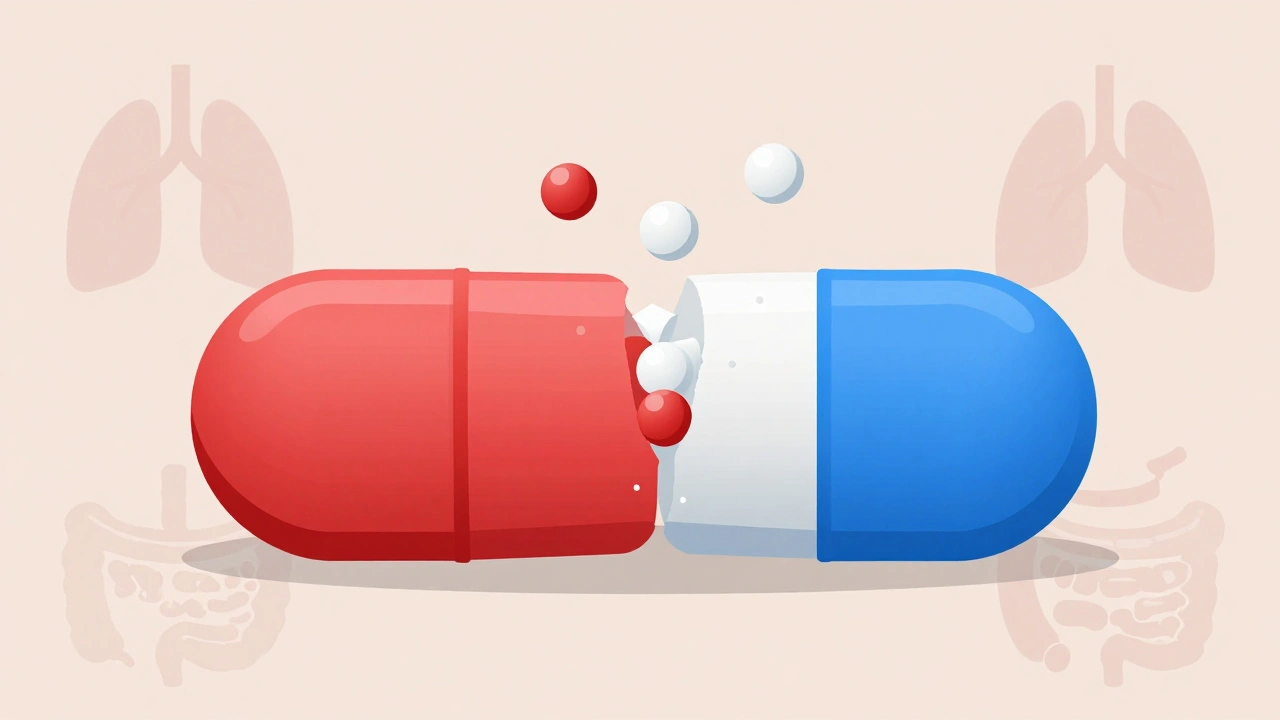
Generic combination drugs save money but can differ in inactive ingredients from brand versions, causing side effects or reduced effectiveness for some patients-especially those on narrow therapeutic index medications.
Read More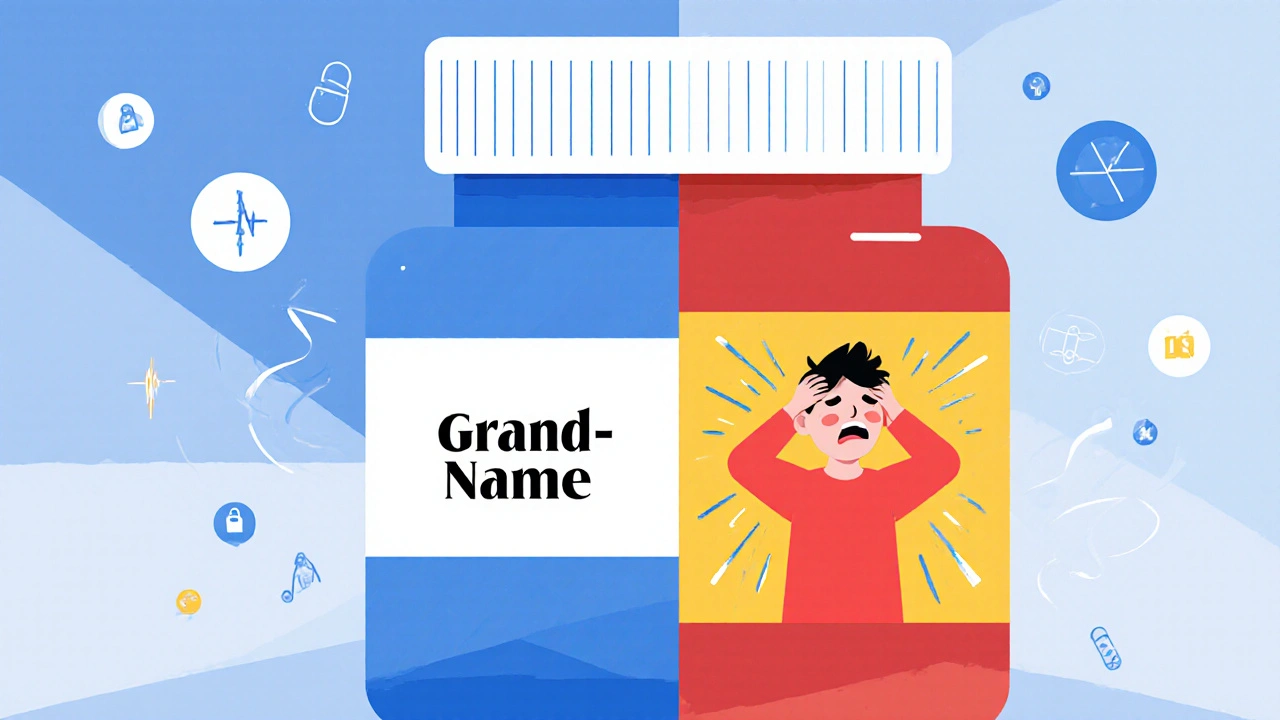
While most people tolerate generic medications without issue, some experience adverse reactions due to differences in inactive ingredients and absorption rates-especially with narrow therapeutic index drugs like levothyroxine and warfarin.
Read More