
When you take a medication exactly as your doctor ordered, that’s medication adherence, the practice of following a prescribed treatment plan without missing doses or changing schedules. It’s not just a buzzword—it’s the difference between your drug working and your condition getting worse. Also known as drug compliance, it’s the quiet, daily act that keeps millions of people out of hospitals and off emergency rooms.
But here’s the truth: most people don’t stick to their meds. Not because they’re careless, but because it’s hard. You forget. You feel fine so you skip a dose. You’re scared of side effects. Or maybe your pills cost too much, or you’re on five different drugs and can’t keep track. That’s where medication side effects, unwanted reactions that make people stop taking their drugs come in—like muscle pain from statins or dizziness from blood pressure meds. When those hit, adherence drops fast. And when you’re juggling multiple doctors, healthcare coordination, the process of making sure all your providers know what you’re taking becomes critical. One doctor prescribes warfarin, another adds an antibiotic, and suddenly your INR spikes. That’s not a mistake—it’s a system failure.
Good adherence isn’t about willpower. It’s about design. It’s about simplifying your routine—like using a pill organizer, setting phone alarms, or switching to a once-daily version of your drug. It’s about talking to your pharmacist when you can’t afford your meds, not just quitting cold. It’s knowing that if you’re traveling, you need a vacation override before you leave, not when you’re stranded overseas with no pills. And it’s understanding that generics aren’t always interchangeable—especially with drugs like levothyroxine where tiny changes in absorption can throw off your whole thyroid balance.
The posts below aren’t just about taking pills. They’re about fixing the broken parts of the system that make adherence hard. You’ll find real strategies for handling statin intolerance, avoiding alcohol interactions with blood thinners, managing refills on trips, and communicating clearly with your care team. You’ll learn why some people react badly to generics, how to spot hidden animal ingredients in your pills if you’re vegan, and what to do when metformin drains your B12. These aren’t theoretical tips—they’re what people actually use to stay on track, stay healthy, and avoid dangerous mistakes.
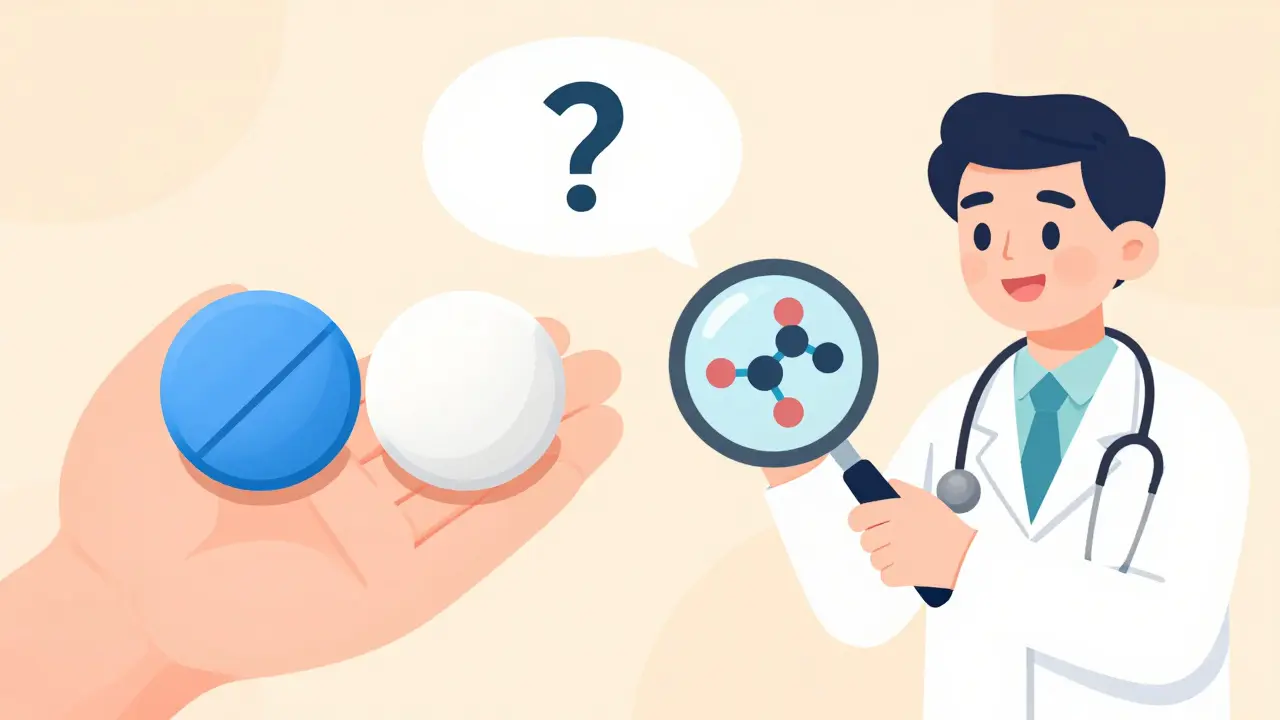
Learn how to clearly explain generic medications to patients, address common concerns, and improve adherence using proven communication strategies backed by clinical evidence and real-world data.
Read More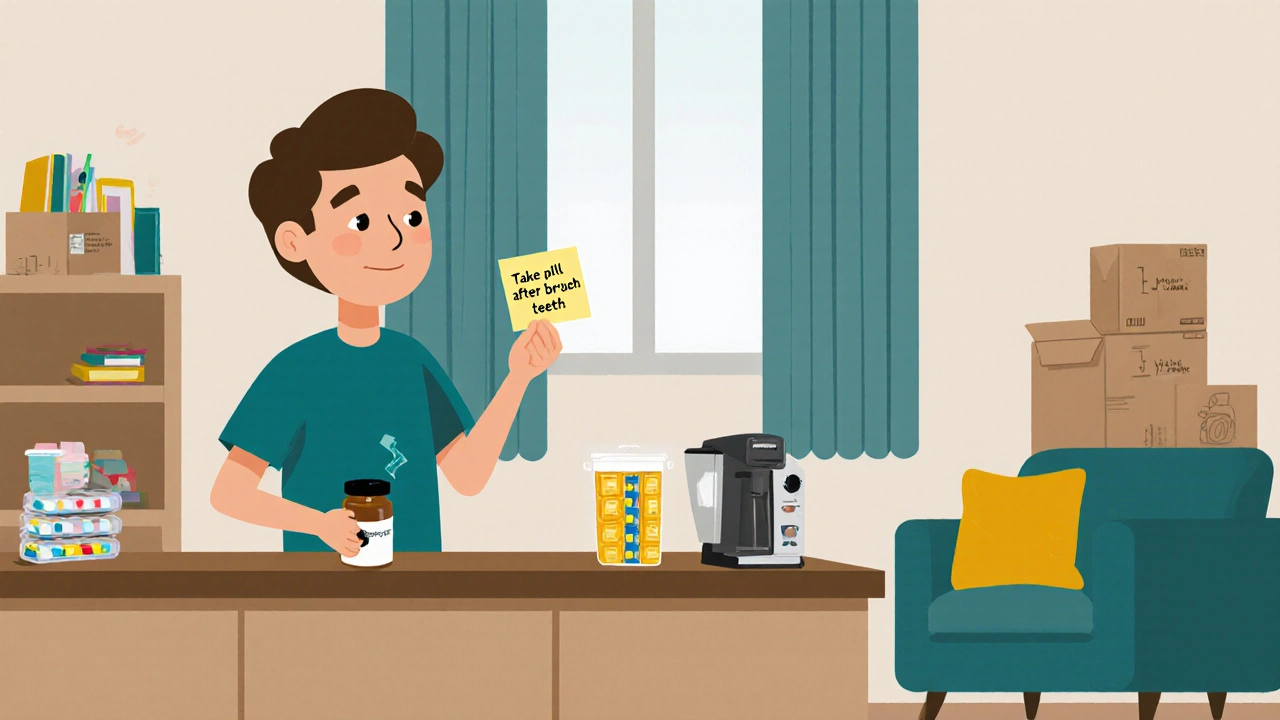
Learn how to maintain medication adherence during life transitions and stress with practical, evidence-based strategies that focus on flexible routines, social support, and psychological resilience - not just reminders.
Read More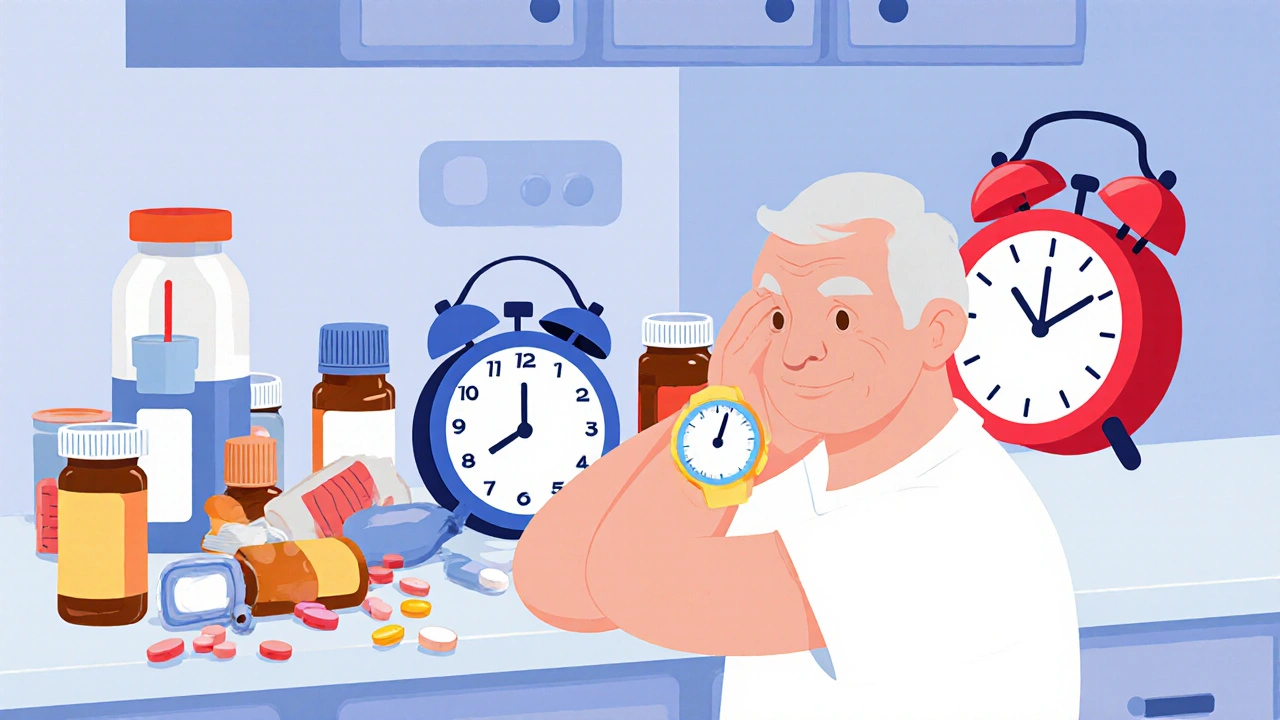
Simplify complex medication regimens by reducing daily doses with proven strategies like fixed-dose combinations, once-daily formulations, and compliance packaging. Boost adherence without compromising health.
Read More