
When your life changes—whether you’re becoming a parent, retiring, moving across the country, or recovering from an illness—your medication, a substance taken to treat, cure, or prevent disease. Also known as prescription drugs, it doesn’t just sit there quietly. It reacts. Your body’s rhythm shifts. Your brain gets overloaded. Your schedule falls apart. And suddenly, that once-simple pill routine? It’s a mess. This is where life transitions, significant changes in personal or social circumstances that alter daily routines and health needs. meet medication adherence, the degree to which a patient follows prescribed treatment plans.—and why most people fail at one without fixing the other.
Think about it. You’ve been taking warfarin for years. Then you get mono. Your doctor tells you to rest, avoid alcohol, and skip the gym. Suddenly, your INR spikes. Or you’re on metformin for diabetes, then you switch to a vegan diet. Now your B12 drops. Or you’re a senior on amlodipine and olmesartan, and your grandkid moves in. You forget doses because you’re chasing a toddler. These aren’t edge cases. They’re everyday stories. And they’re all in the posts below. Life transitions don’t just change your environment—they change how your body absorbs, reacts to, and remembers your meds. Even small shifts, like traveling abroad or switching pharmacies, can trigger dangerous gaps in care. That’s why you’ll find guides here on refilling meds while traveling, managing complex pill schedules, and even spotting hidden animal ingredients in your capsules if you’re vegan. You’ll see how statin intolerance clinics help people get back on track after side effects, how pediatric dosing changes as kids grow, and why generics sometimes cause unexpected reactions in people with narrow therapeutic windows.
There’s no one-size-fits-all fix. But there are patterns. People who succeed during big life changes don’t just rely on willpower. They build systems: clear communication with providers, simplified regimens, backup plans for travel, and awareness of how food, stress, and sleep affect their drugs. You don’t need to be perfect. You just need to be prepared. The posts ahead give you real tools—not theory—for when your life shifts and your meds don’t keep up. Whether you’re juggling five pills a day, caring for a child on liquid medicine, or trying to quit smoking while on bupropion, you’ll find what actually works.
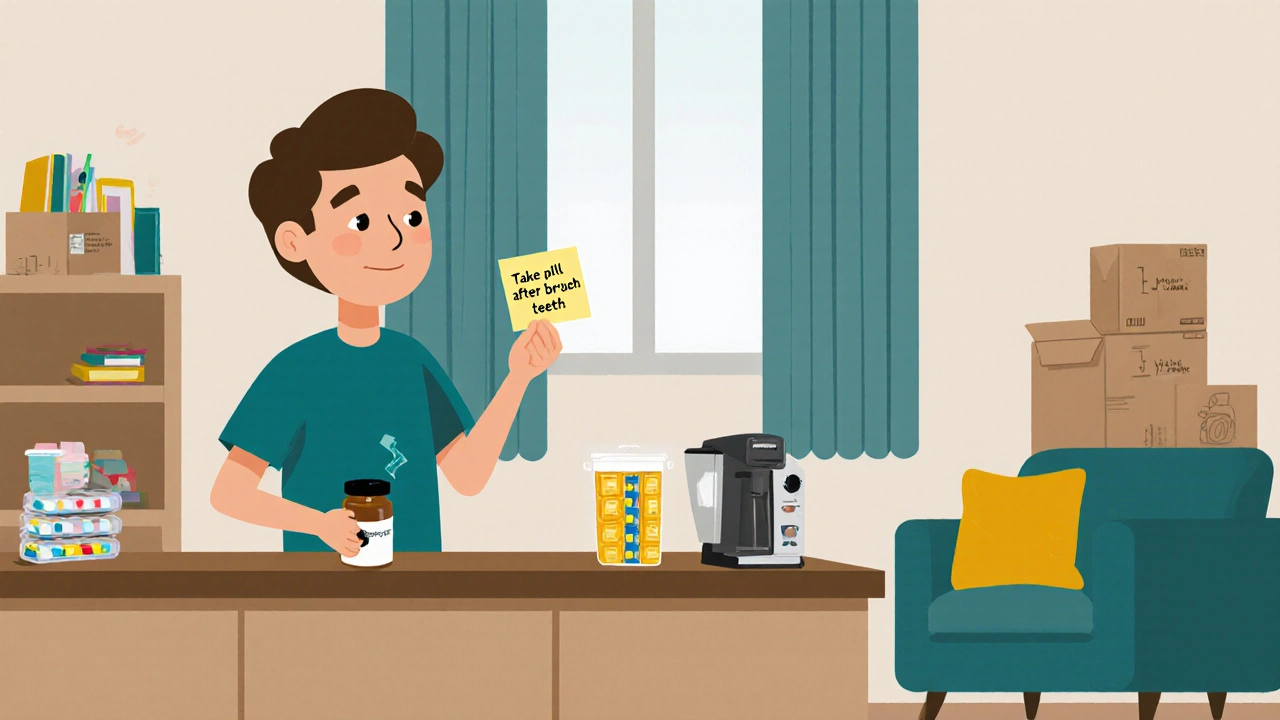
Learn how to maintain medication adherence during life transitions and stress with practical, evidence-based strategies that focus on flexible routines, social support, and psychological resilience - not just reminders.
Read More