
When you swallow a pill, you’re not just taking the active drug—you’re also consuming a mix of inactive ingredients, non-medical components added to pills for stability, absorption, or shape. Also known as excipients, these substances make up most of the tablet or capsule but do nothing to treat your condition. Yet, they’re not harmless. For some people, they cause reactions, interfere with medication, or even violate dietary beliefs. If you’re vegan, allergic to corn, or sensitive to dyes, your pill could be working against you before the active ingredient even kicks in.
Take gelatin capsules, a common shell used to hold liquid or powdered medicine. It’s made from animal collagen, often from pigs or cows. That’s fine for most, but for vegans or those with religious restrictions, it’s a dealbreaker. Same goes for magnesium stearate, a lubricant used to prevent pills from sticking to machines during production. It’s usually plant-based now, but some still come from animal fat. And if you’re on a low-sodium diet, watch out for sodium-based binders. Even something as simple as a red dye can trigger headaches or rashes in sensitive people.
These ingredients don’t just affect your body—they affect your choices. People with celiac disease avoid pills with wheat starch. Diabetics watch out for sugar-based fillers. And if you’re taking levothyroxine, certain coatings can block absorption. The FDA doesn’t require full disclosure of all inactive ingredients on labels, so you often need to dig deeper. That’s why posts here cover everything from hidden animal products in meds to how fiber and calcium can mess with how your drugs work. You’ll find guides on spotting vegan-friendly options, understanding why your generic pill doesn’t feel the same, and how to ask your pharmacist for the right formulation.
It’s not about fear. It’s about control. Knowing what’s in your pills lets you make smarter choices, avoid side effects you didn’t sign up for, and find alternatives that actually fit your life. Whether you’re managing thyroid issues, fighting allergies, or just tired of pills that make you feel worse, the right inactive ingredients can make all the difference.
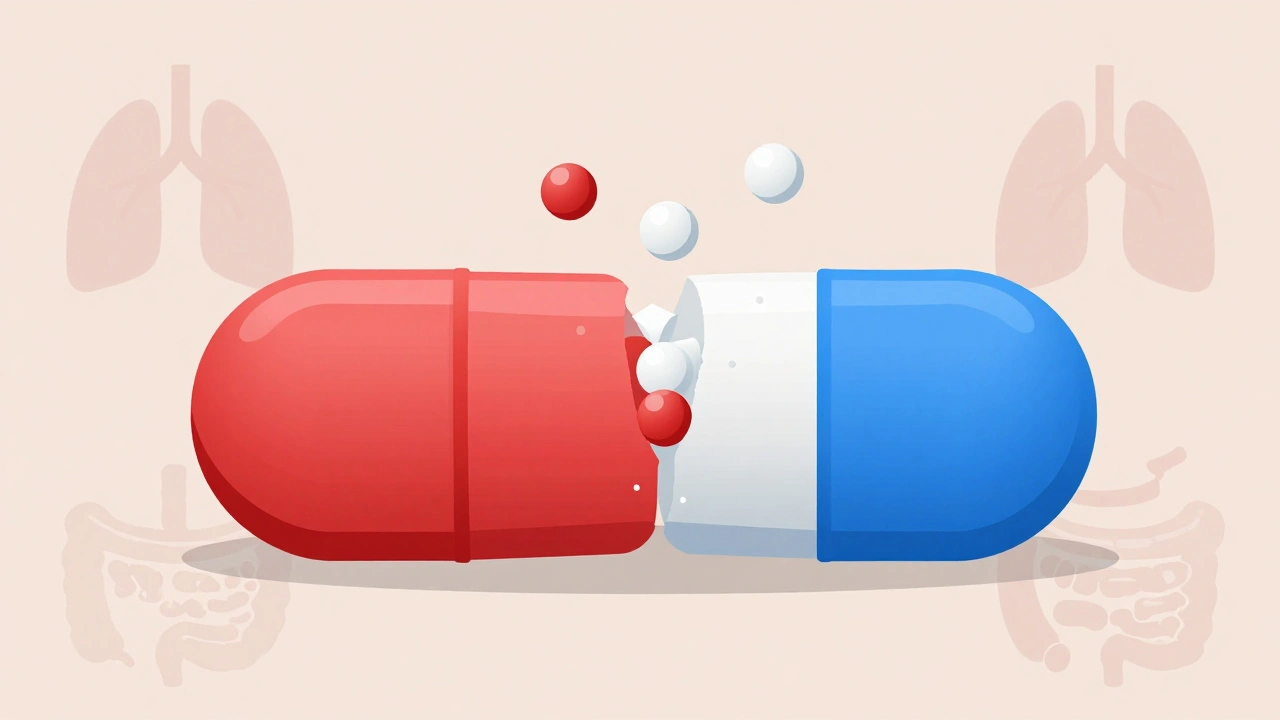
Generic combination drugs save money but can differ in inactive ingredients from brand versions, causing side effects or reduced effectiveness for some patients-especially those on narrow therapeutic index medications.
Read More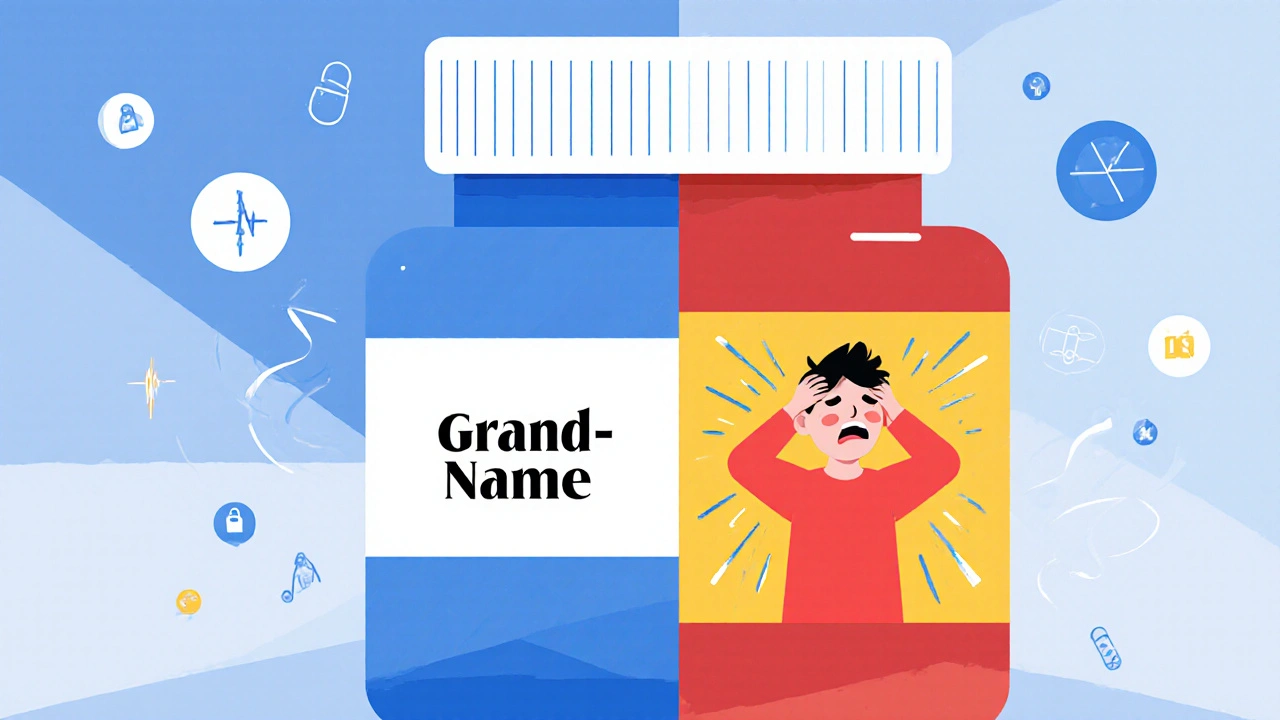
While most people tolerate generic medications without issue, some experience adverse reactions due to differences in inactive ingredients and absorption rates-especially with narrow therapeutic index drugs like levothyroxine and warfarin.
Read More