
When you hear generic medications, lower-cost versions of brand-name drugs that contain the same active ingredients and work the same way in the body. Also known as generic drugs, they are approved by the FDA to be just as safe and effective as the original—when they’re actually equivalent. But not all generics are created equal. Some work perfectly. Others? They can cause problems if you don’t know what to look for.
The FDA Orange Book, the official government list that rates whether a generic drug is therapeutically equivalent to its brand-name counterpart. Also known as Therapeutic Equivalence Evaluations, it’s the only reliable source to confirm if your generic pill will behave the same way in your body. If your pharmacy switches your medication without checking this, you could end up with a version that absorbs differently—especially with drugs like levothyroxine, warfarin, or seizure meds. That’s not a myth. It’s documented. People have had seizures, thyroid crashes, and dangerous blood clots because they got a generic that wasn’t truly interchangeable.
And it’s not just about absorption. drug interactions, when two or more medications affect each other’s effectiveness or safety. Also known as medication interactions, they can turn a harmless generic into a danger zone. Bupropion, for example, can cause seizures if mixed with certain antidepressants. Gelatin capsules in some generics might break a vegan’s diet. Magnesium stearate? It’s often made from animal fat. And if you’re on metformin for years, your B12 levels could drop without you ever knowing—because no one checks.
Most people assume generic means cheap and safe. But safety isn’t automatic. It’s something you have to verify. That’s why posts here cover how to read TE codes, spot hidden animal ingredients, compare alternatives like meclizine or modafinil, and understand why your doctor weighs risks versus benefits before prescribing anything. You’ll find real-world examples: how olmesartan and amlodipine work together in seniors, why fiber helps with diarrhea even when you’re on meds, and how enzyme deficiencies can mimic mental health issues.
This isn’t about avoiding generics. It’s about using them right. You deserve to save money without risking your health. The posts below give you the tools to ask the right questions, check the right sources, and make sure your medication does what it’s supposed to—without surprises.
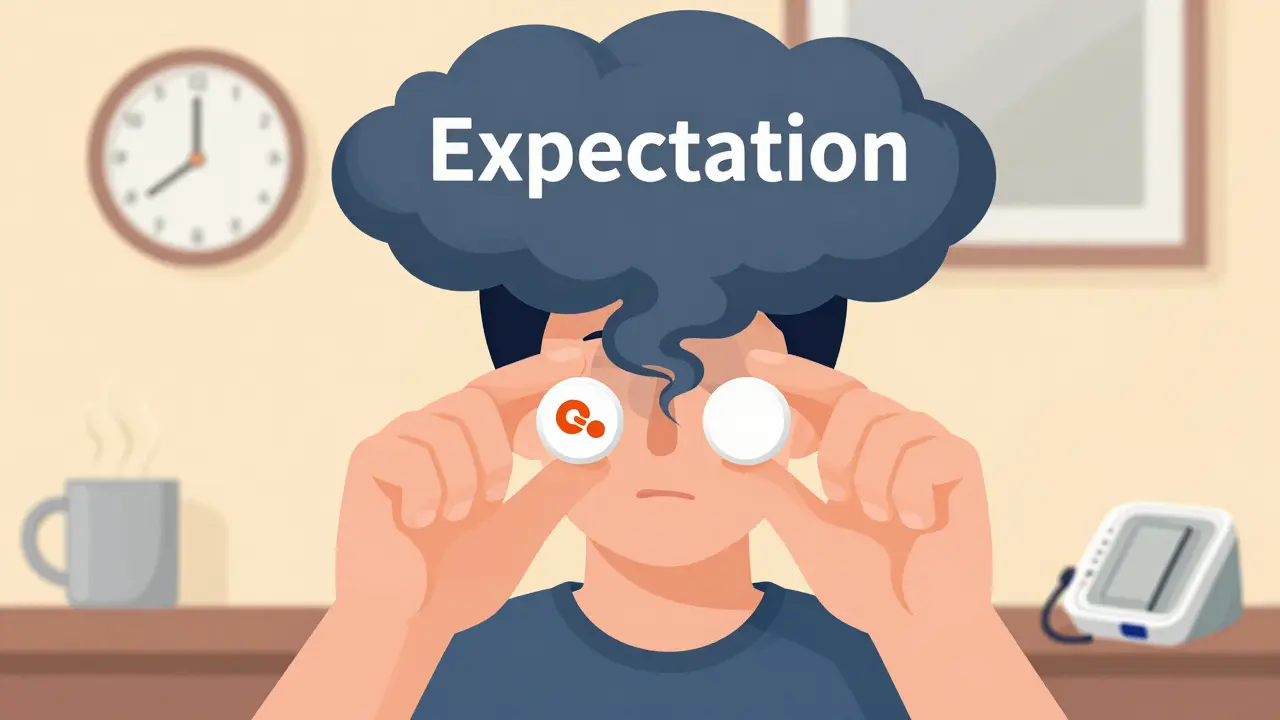
The nocebo effect causes real physical symptoms when people expect harm from generic medications - even when they're identical to brand-name drugs. Learn how expectations, communication, and media shape treatment outcomes.
Read More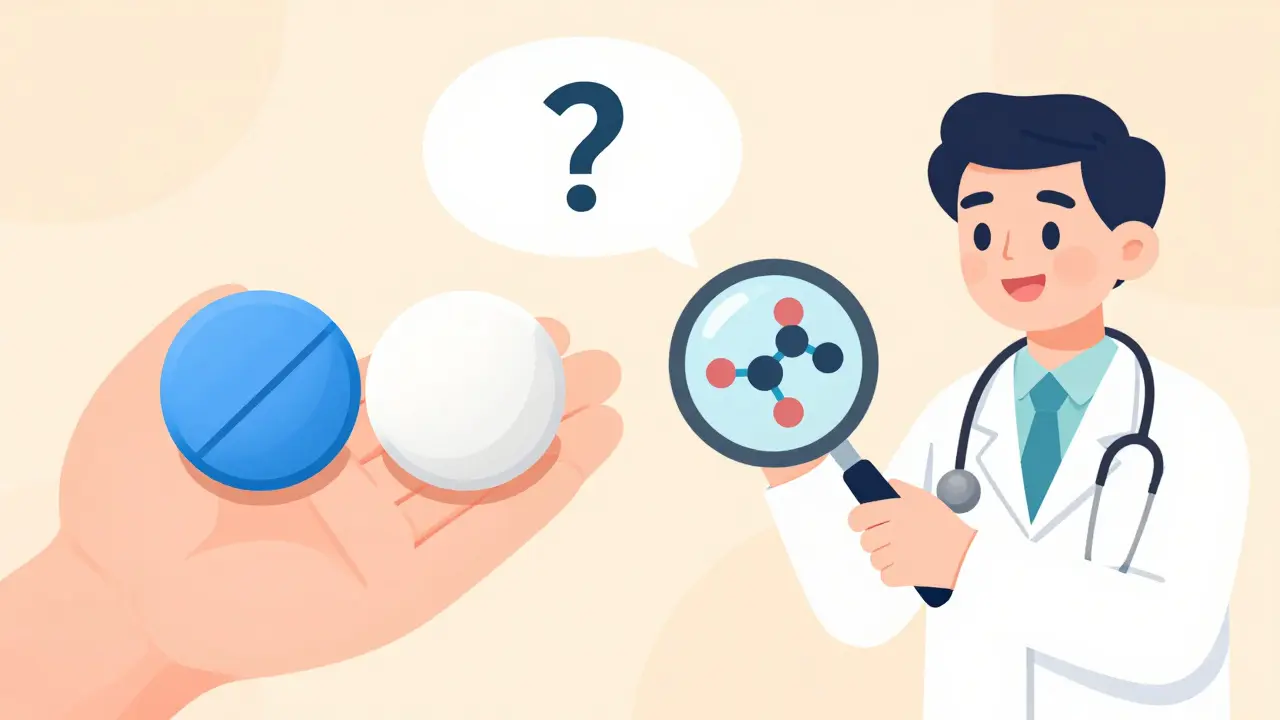
Learn how to clearly explain generic medications to patients, address common concerns, and improve adherence using proven communication strategies backed by clinical evidence and real-world data.
Read More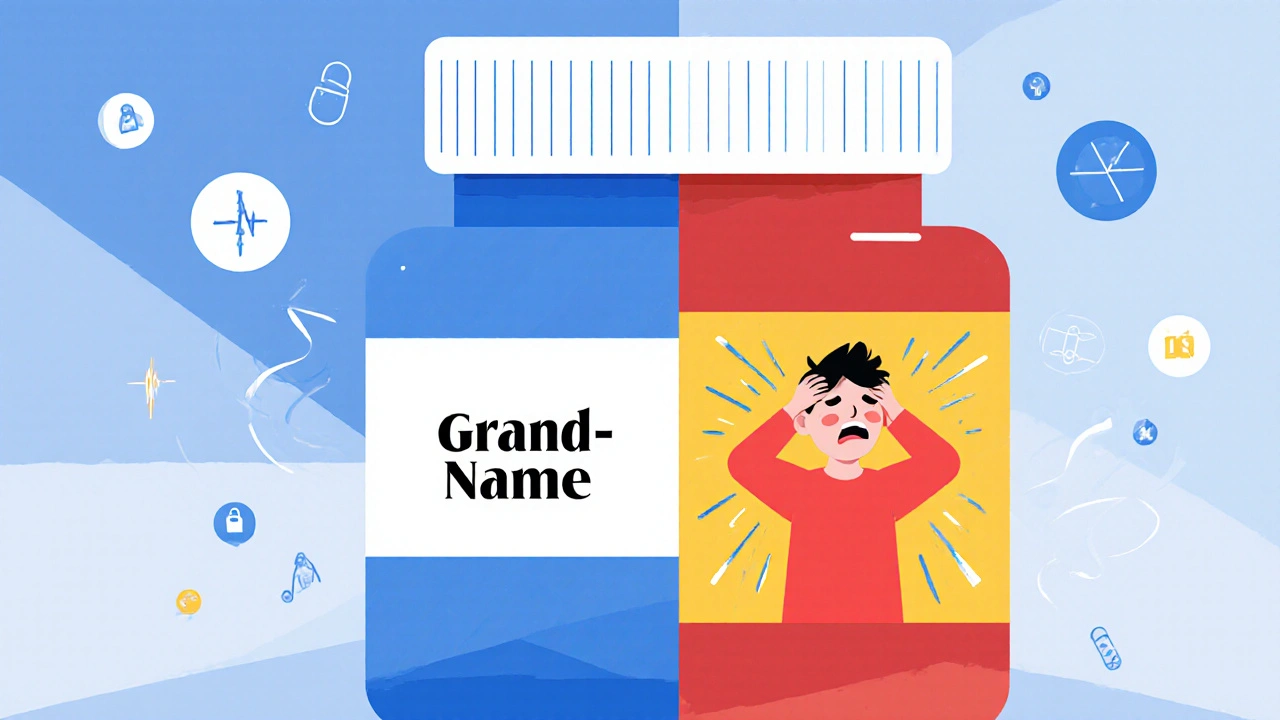
While most people tolerate generic medications without issue, some experience adverse reactions due to differences in inactive ingredients and absorption rates-especially with narrow therapeutic index drugs like levothyroxine and warfarin.
Read More