
When you take a generic combination drug, a single pill that contains two or more active ingredients, often used to treat chronic conditions like high blood pressure or diabetes. Also known as fixed-dose combinations, these pills are designed to reduce the number of tablets you swallow each day—making it easier to stick to your treatment plan. They’re not new, but their role in modern care is growing fast. Instead of taking five separate pills for hypertension, cholesterol, and diabetes, you might now take just two or three combination pills. That’s not just convenient—it’s backed by data showing better adherence and fewer hospital visits.
But these drugs aren’t magic. They work best when the ingredients are proven to be safe together and when the dosages are matched to real patient needs. For example, a combo of lisinopril and hydrochlorothiazide is common for blood pressure because both drugs lower it in different ways. But mixing drugs with opposing effects—like levodopa and antipsychotics—can backfire badly. That’s why doctors don’t just pick any two drugs and slap them together. The FDA and pharmacists check for drug interactions, how two or more medications affect each other’s safety or effectiveness before approving a combo. And even then, some people still react differently because of inactive ingredients, especially with narrow therapeutic index drugs like warfarin or levothyroxine.
These combinations also tie into bigger issues like cost and access. Generic combination drugs are often cheaper than buying each component separately, which is why pharmacies make most of their profit from them. But not all combos are created equal. Some are reformulated just to extend patent life, while others are genuine improvements in care. That’s where tools like the FDA Orange Book, the official database that lists approved generic drugs and their therapeutic equivalence ratings come in. It tells you if a generic combo is truly interchangeable with the brand version—or if you’re getting a version that might not work the same way.
What you’ll find in the posts below isn’t just a list of drug names. It’s a look at real-world trade-offs: when a combo helps you take fewer pills, when it hides risks you didn’t know about, and how to spot the difference between smart design and marketing fluff. You’ll see how people manage their meds during travel, how supplements can sabotage even the best combo, and why some patients need to avoid certain combinations entirely. This isn’t theory—it’s what happens when pills hit the real world, and what you need to know to stay safe and in control.
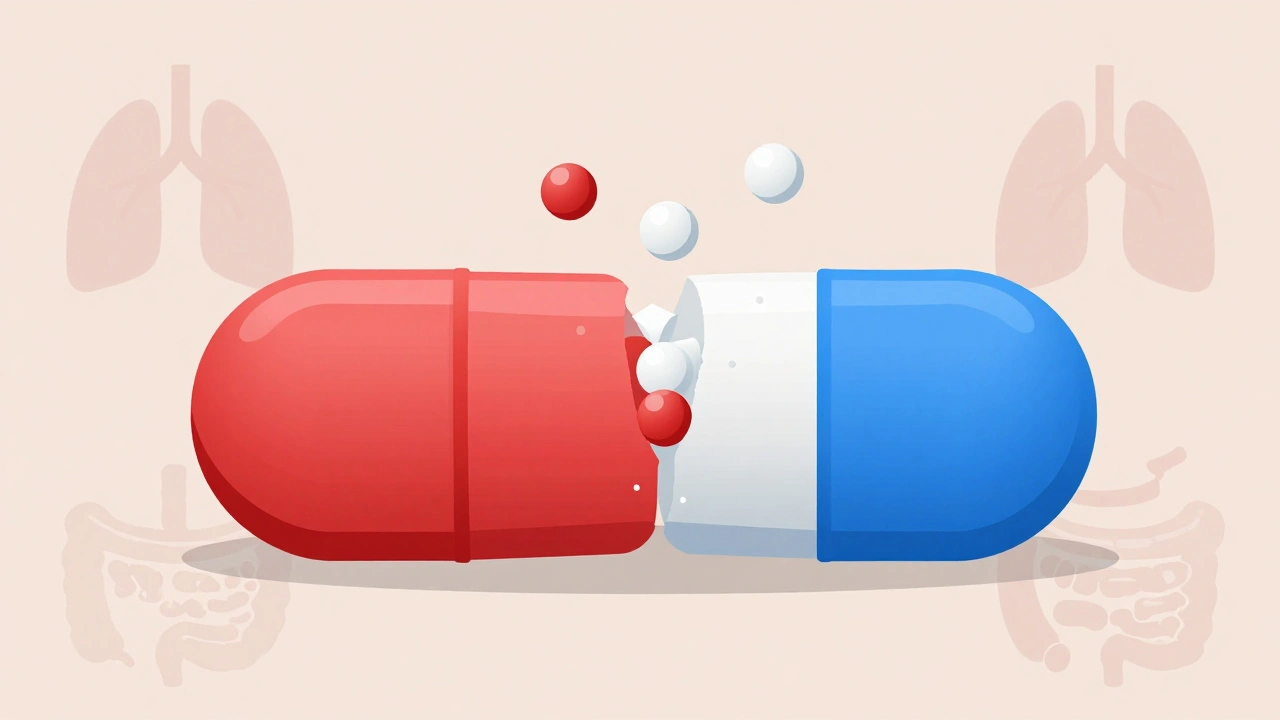
Generic combination drugs save money but can differ in inactive ingredients from brand versions, causing side effects or reduced effectiveness for some patients-especially those on narrow therapeutic index medications.
Read More