
When you take a medication, the FDA FAERS database, a public system used by the U.S. Food and Drug Administration to collect and analyze reports of adverse drug reactions. Also known as the FDA Adverse Event Reporting System, it’s not a tool for proving cause and effect—but it’s the earliest warning system doctors and regulators use to catch dangerous patterns before they become epidemics. Every year, hundreds of thousands of reports come in from patients, doctors, and drug makers—some about mild rashes, others about heart attacks or liver failure linked to common prescriptions. These aren’t lab results or clinical trial data. They’re real people, in real time, saying: Something didn’t feel right after I took this.
The FDA FAERS database, a public system used by the U.S. Food and Drug Administration to collect and analyze reports of adverse drug reactions. Also known as the FDA Adverse Event Reporting System, it’s not a tool for proving cause and effect—but it’s the earliest warning system doctors and regulators use to catch dangerous patterns before they become epidemics. Every year, hundreds of thousands of reports come in from patients, doctors, and drug makers—some about mild rashes, others about heart attacks or liver failure linked to common prescriptions. These aren’t lab results or clinical trial data. They’re real people, in real time, saying: Something didn’t feel right after I took this.
The pharmacovigilance, the science and activities relating to the detection, assessment, understanding, and prevention of adverse effects of pharmaceutical products behind FAERS is what keeps drugs like warfarin, statins, and SSRIs under watch long after they hit the market. You won’t see every bad reaction here—many go unreported—but when enough people report the same issue, the FDA takes notice. That’s how they found out St. John’s wort cuts birth control effectiveness, why vancomycin infusions need to be slow, and why combining 5-HTP with antidepressants can trigger serotonin syndrome. These aren’t theoretical risks. They’re patterns pulled from real patient experiences.
And it’s not just about new drugs. The generic medications, pharmaceutical products that contain the same active ingredients as brand-name drugs but are sold after patent expiration you pick up at the pharmacy? They’re tracked here too. Differences in inactive ingredients can cause reactions in sensitive patients—especially with narrow therapeutic index drugs like levothyroxine or warfarin. That’s why some people swear their generic version doesn’t work the same. FAERS helps regulators spot those trends.
What you’ll find in the posts below isn’t just a list of drug problems. It’s a collection of real cases where the FDA FAERS database, patient reports, and medical research came together to explain why certain combinations are risky, why some people react differently to generics, and how even "natural" supplements like Jamaican Dogwood or 5-HTP can trigger serious side effects. These aren’t warnings from a lab. They’re warnings from people who lived them. And if you’re on any medication—prescription, over-the-counter, or supplement—you need to know how this system works. Because your next side effect might be the one that gets noticed.
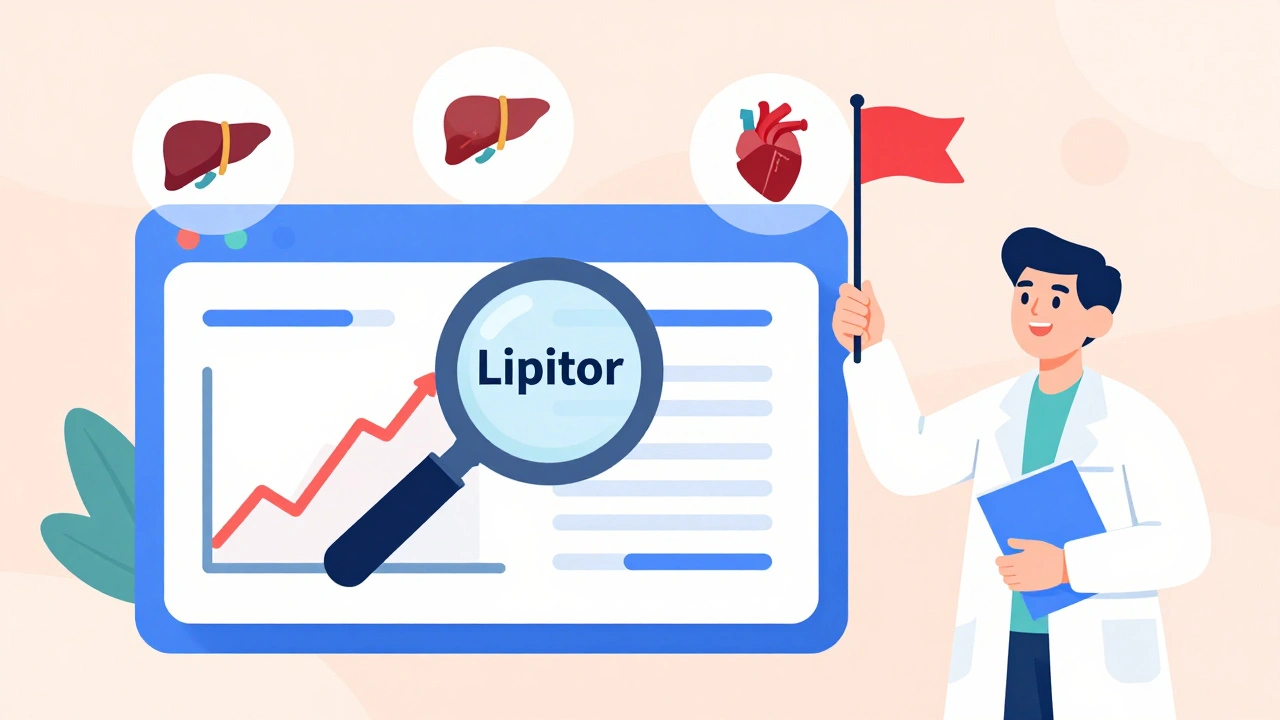
Learn how to access and use the FDA's FAERS database for safety monitoring. Understand its tools, limitations, and how researchers, patients, and doctors use real-world adverse event data to spot drug risks.
Read More