
Ever wondered why your headache pill makes you feel dizzy after dinner? That’s a drug interaction, and it can happen with almost any medicine. The good news is you don’t have to guess. With a few simple steps you can catch risky combos before they cause problems.
First, think of every product you take – prescription meds, over‑the‑counter drugs, vitamins, and even herbal teas. Write them down in one place. When you have a list, you can compare it against common interaction tables or ask your pharmacist. It only takes a minute and can save you from a nasty surprise.
Some pairings are notorious. For example, mixing the acid‑reducing drug omeprazole with alcohol can irritate your stomach more than usual. Antidepressants like Effexor (venlafaxine) may heighten side effects if you add certain cold medicines. Even supplements such as D‑Mannose, which many use for urinary health, can affect how antibiotics work.
Another frequent issue is the combination of blood pressure pills with certain cough syrups. The mix can raise blood pressure or cause fainting. If you’re on a beta‑blocker like atenolol, avoid high‑dose caffeine drinks right after taking it – you’ll feel a jittery crash.
Most pharmacy websites have an interaction checker. Just type in the names of your meds and get a clear list of warnings. You can also use reputable health apps that store your medication list and flag new drugs you add.
When you’re unsure, call your pharmacy. The pharmacist can tell you if a new prescription will clash with anything you already take. It’s a free service, and they’re happy to help – no need to feel embarrassed.
Never rely only on memory. The body changes, and a drug that was safe last year might interact differently now if you’ve started a new supplement. Review your list every few months, especially after a doctor visit or a change in your health routine.
If you ever notice unexpected symptoms – like sudden fatigue, nausea, or a rash – think about recent medication changes. Write down when the symptom started, what you took, and share that info with your healthcare provider. Quick reporting can prevent a serious problem from getting worse.
Bottom line: staying on top of drug interactions is easy if you keep a written list, use online checkers, and talk to your pharmacist. A few minutes now can keep you feeling good for months to come.
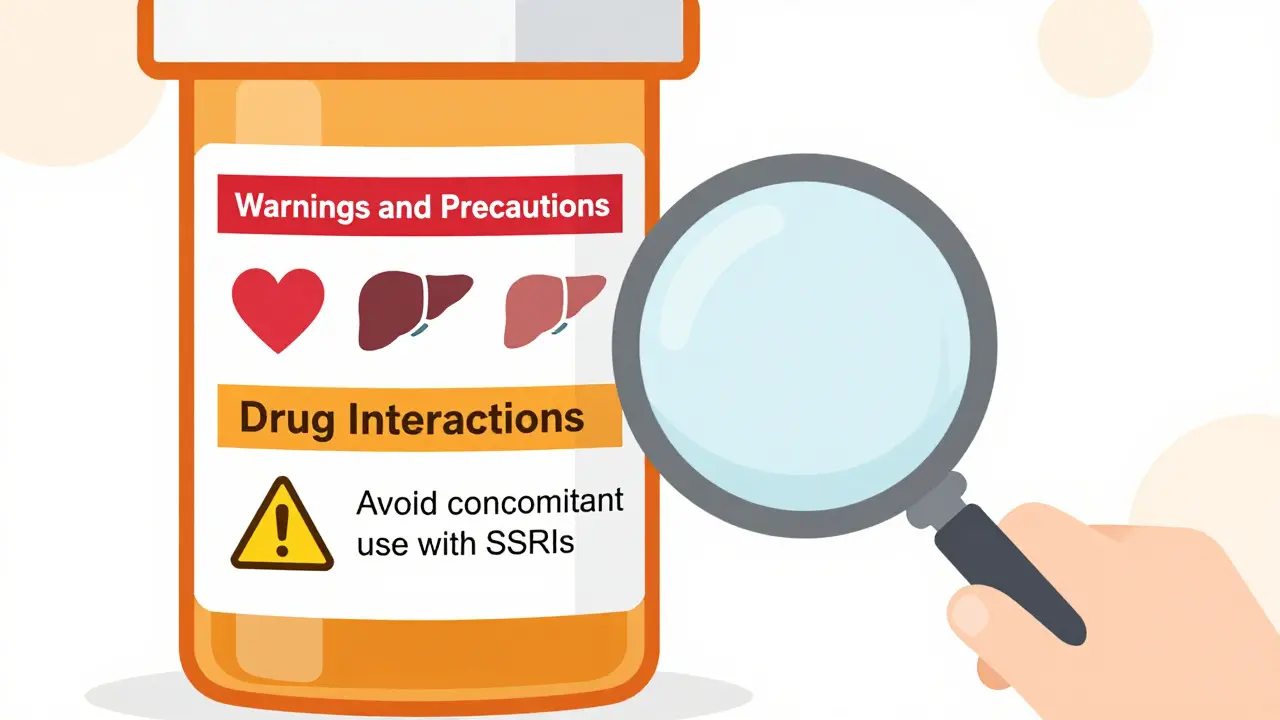
Learn how to read prescription label warnings to avoid dangerous drug interactions. Find out which sections matter most, how to spot hidden risks from supplements, and what to do when you're confused - all based on FDA guidelines and real-world data.
Read More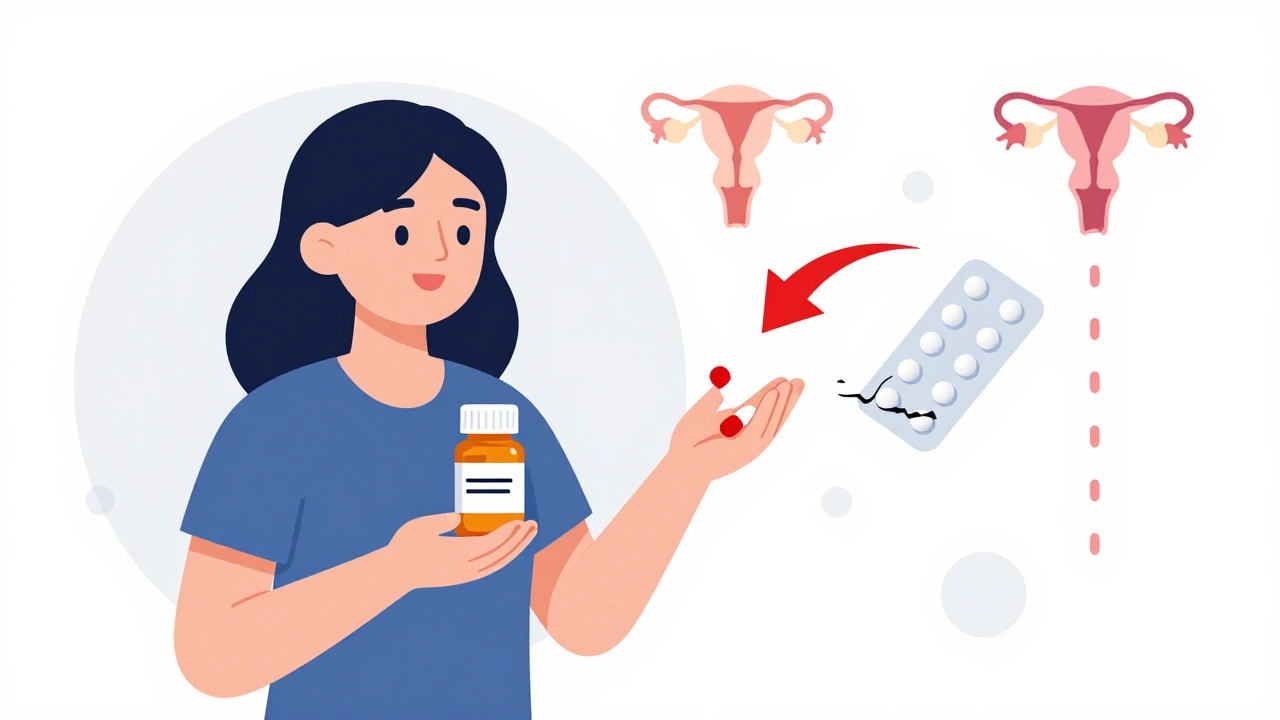
Many anticonvulsants reduce the effectiveness of birth control pills, patches, and rings, raising the risk of unplanned pregnancy. Learn which seizure meds interfere, which birth control methods still work, and what to do now.
Read More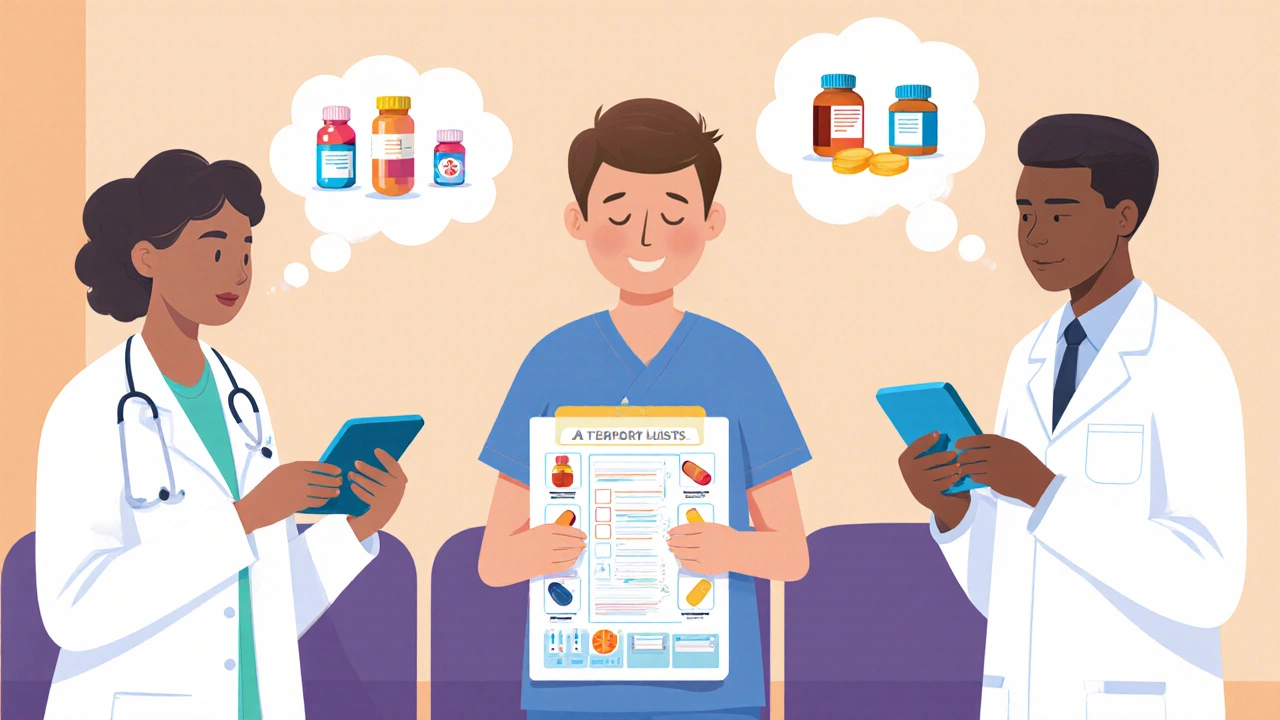
Learn how to prevent dangerous drug interactions by communicating clearly with multiple healthcare providers. Get practical steps to organize your meds, ask the right questions, and get your team on the same page.
Read More
Bupropion (Zyban) is a proven tool for quitting smoking, but it can interact dangerously with other drugs. Learn how it works, who should avoid it, and what to watch out for to stay safe.
Read More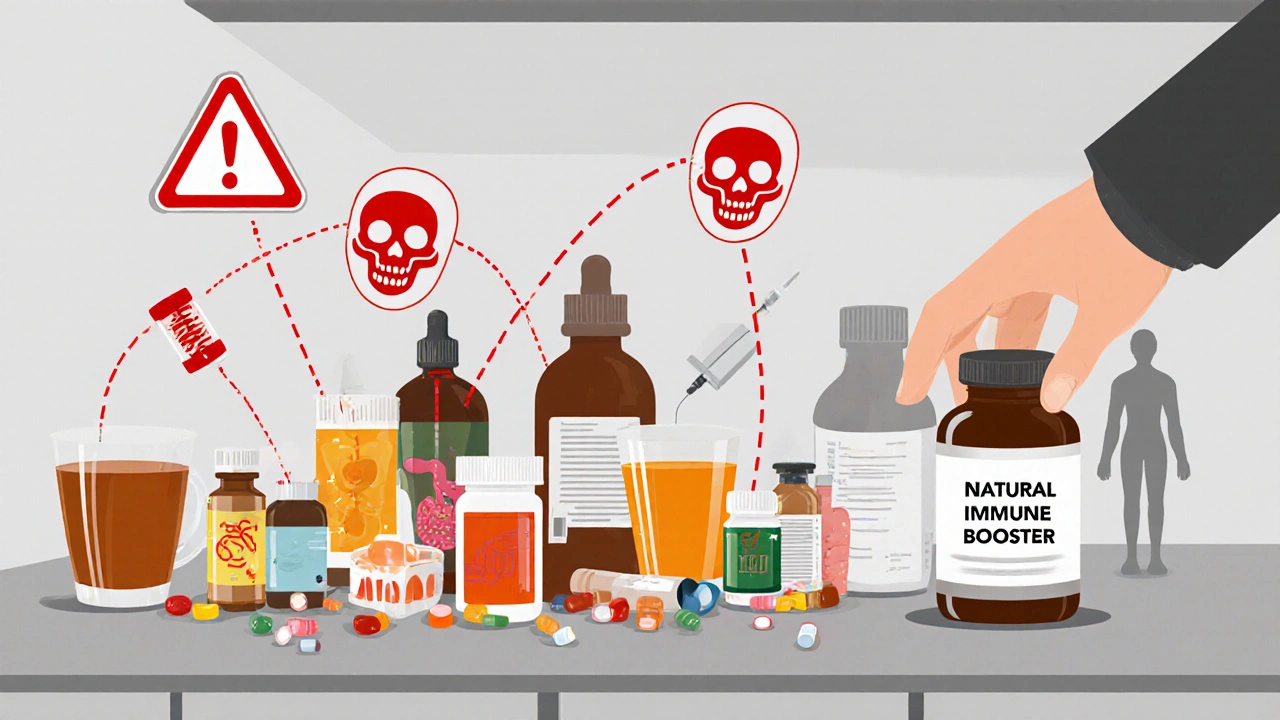
Dietary supplements and medications carry hidden risks that many people ignore. From dangerous drug interactions to toxic overdoses, the belief that 'natural' means safe can lead to serious harm. Learn what supplements really do to your body and how to protect yourself.
Read More
Explore how itraconazole works, its effectiveness against key fungal infections in immunocompromised people, safety concerns, and how it compares to other azoles.
Read More