
When you pick up a prescription, you might see two options: the brand name drug, a medication developed and marketed by the original pharmaceutical company under a patent. Also known as originator drug, it often comes with a higher price tag. Or you’ll see the generic medication, a version made after the patent expires, containing the same active ingredient at the same dose. Also known as generic drug, it’s usually much cheaper—but does it work the same? The short answer is: for most people, yes. But not always. And that’s where things get real.
The FDA requires generics to be therapeutic equivalence to their brand-name counterparts. That means they must deliver the same amount of active ingredient into your bloodstream at the same rate. In theory, that’s perfect. But theory doesn’t always match what happens in your body. Some drugs have a narrow therapeutic index—meaning the difference between an effective dose and a harmful one is tiny. For drugs like warfarin, levothyroxine, or seizure meds, even small changes in how your body absorbs the drug can cause problems. That’s why some people report feeling different after switching from brand to generic. It’s not in the active ingredient—it’s in the fillers, coatings, and how the pill breaks down. These inactive ingredients don’t treat your condition, but they can affect how quickly the drug gets absorbed. And for some, that’s enough to throw off their balance, energy, or symptoms.
Pharmacies often switch generics automatically to save money. But you have the right to ask for the brand if you notice a change in how you feel. And if you’re on a chronic medication, sticking with the same version—brand or generic—is often the safest bet. Don’t assume all generics are created equal. Check the FDA Orange Book, the official list that rates generic drugs for therapeutic equivalence using AB codes. Also known as Therapeutic Equivalence Evaluations, it tells you which generics are approved as interchangeable. If you see an AB1 rating, it’s considered a direct substitute. AB2? That means it’s approved but not automatically interchangeable. And if you’re paying out of pocket, ask if the generic you’re getting is the lowest-cost version your pharmacy stocks. Sometimes, the cheapest one isn’t the most reliable.
Here’s the truth: 9 out of 10 prescriptions in the U.S. are filled with generics. They save billions every year. But that doesn’t mean they’re perfect for everyone. If you’ve ever felt off after a switch, you’re not imagining it. The system works for most, but not all. Your body, your condition, your history—those matter more than the label on the bottle. The posts below dig into real cases where brand and generic differences made a difference: from thyroid meds that caused weight swings to blood thinners that led to dangerous INR spikes. You’ll also find how to check if your generic is truly equivalent, why some pharmacies push certain brands, and what to say when your pharmacist tries to swap your medication without asking. This isn’t about fear. It’s about control. You deserve to know what’s in your body—and why it might be working differently than before.
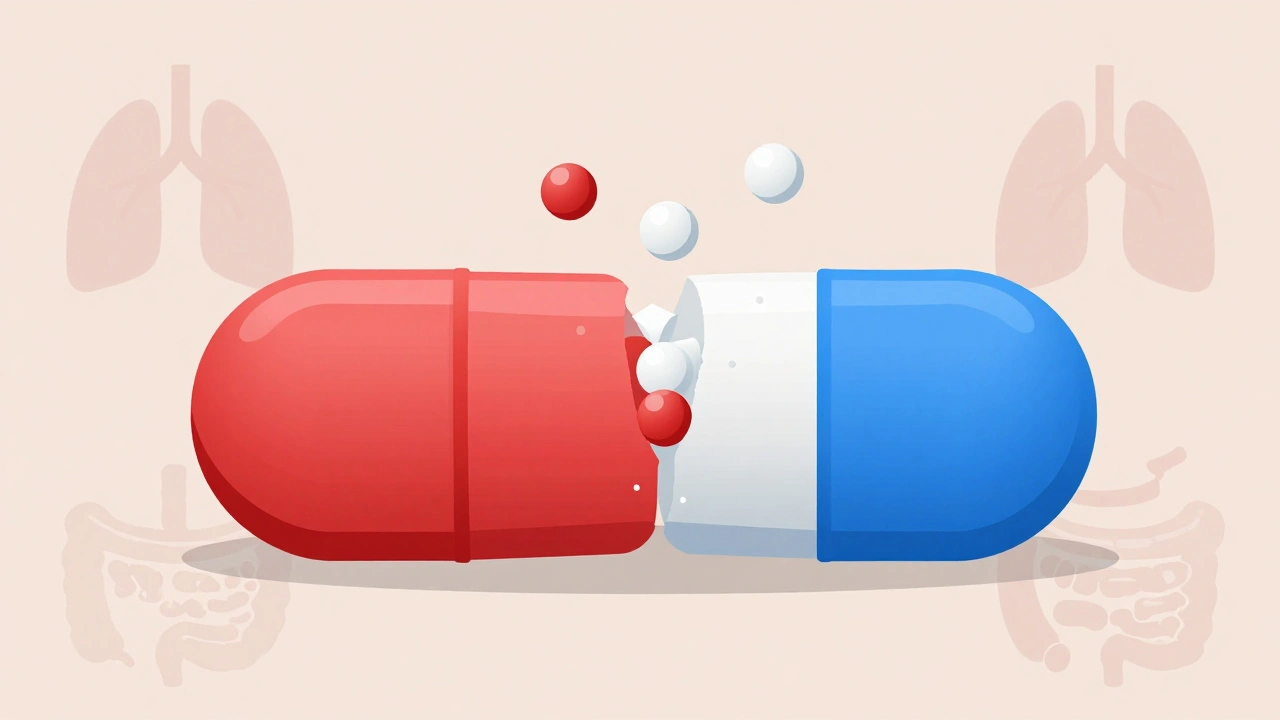
Generic combination drugs save money but can differ in inactive ingredients from brand versions, causing side effects or reduced effectiveness for some patients-especially those on narrow therapeutic index medications.
Read More