
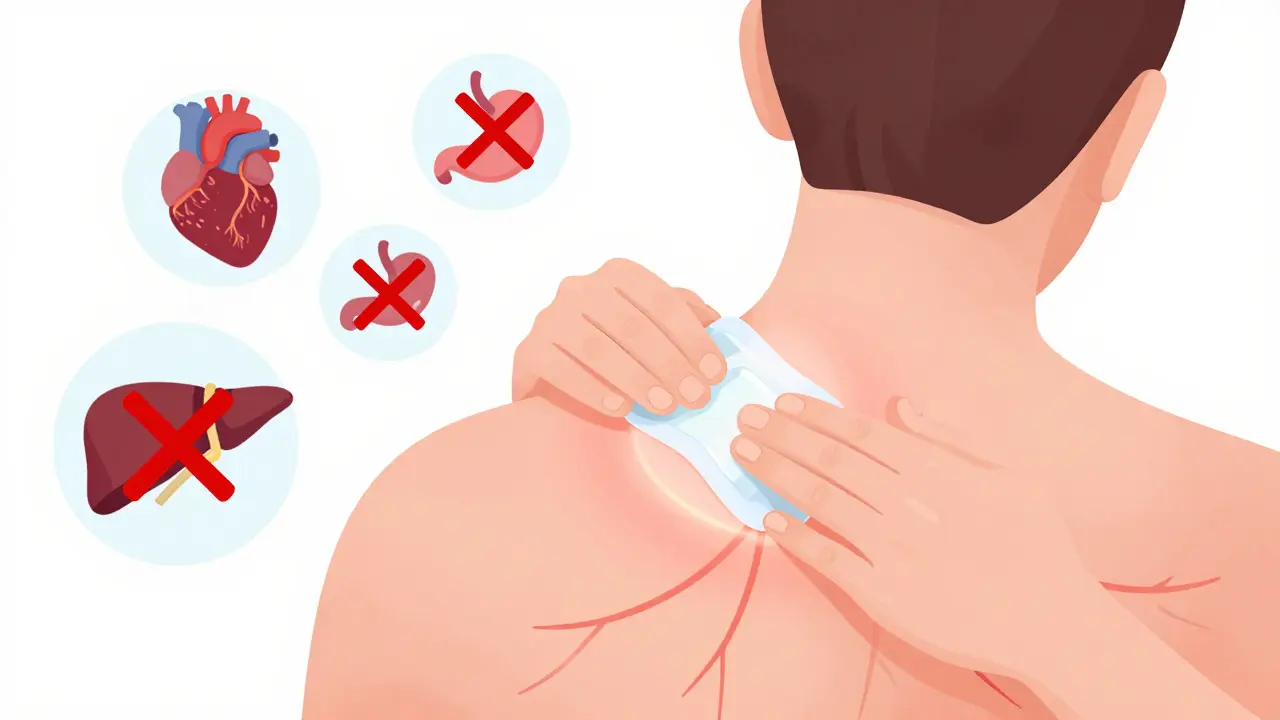
When you have a sore knee, a stiff shoulder, or nerve pain from shingles, swallowing a pill isn’t always the best option. Oral painkillers can upset your stomach, strain your liver, or interact with other meds you’re taking. That’s where topical analgesics come in - they deliver pain relief right where you need it, without flooding your whole body with drugs.
How Topical Analgesics Work (Without the Side Effects)
Unlike oral painkillers that travel through your bloodstream, topical analgesics act locally. They’re absorbed through the skin and target pain nerves in the area you apply them. This means you get relief without the risk of ulcers, kidney damage, or drowsiness that often comes with pills.
There are three main types you’ll find in pharmacies and clinics: lidocaine patches, capsaicin creams and patches, and NSAID gels. Each works in a completely different way.
Lidocaine: The Nerve Blocker
Lidocaine is a local anesthetic you’ve probably heard of from dentists. In patch form - like Lidoderm® - it’s used for nerve pain, especially from postherpetic neuralgia (the lingering pain after shingles).
The 5% lidocaine patch works by blocking sodium channels in pain nerves. Think of it like cutting the wire to a faulty alarm. No signal, no pain. It doesn’t numb your skin like a dentist’s shot - it just stops the pain signals from firing.
Studies show it reduces pain in about 1 in 7 people with nerve pain. That might not sound like much, but compared to oral meds like antidepressants (which can cause dry mouth, weight gain, and dizziness), lidocaine patches are gentle. You can use up to three patches a day, but only for 12 hours at a time. Leave them off for 12 hours to avoid skin irritation.
Side effects? About 1 in 10 people get redness or itching where the patch goes. That’s it. No drowsiness. No addiction risk. No liver stress.
Capsaicin: The Burn That Heals
Capsaicin comes from chili peppers. Yes, the same thing that makes your tongue feel like it’s on fire. But in high doses - like the 8% patch called Qutenza® - it does something surprising: it turns off pain.
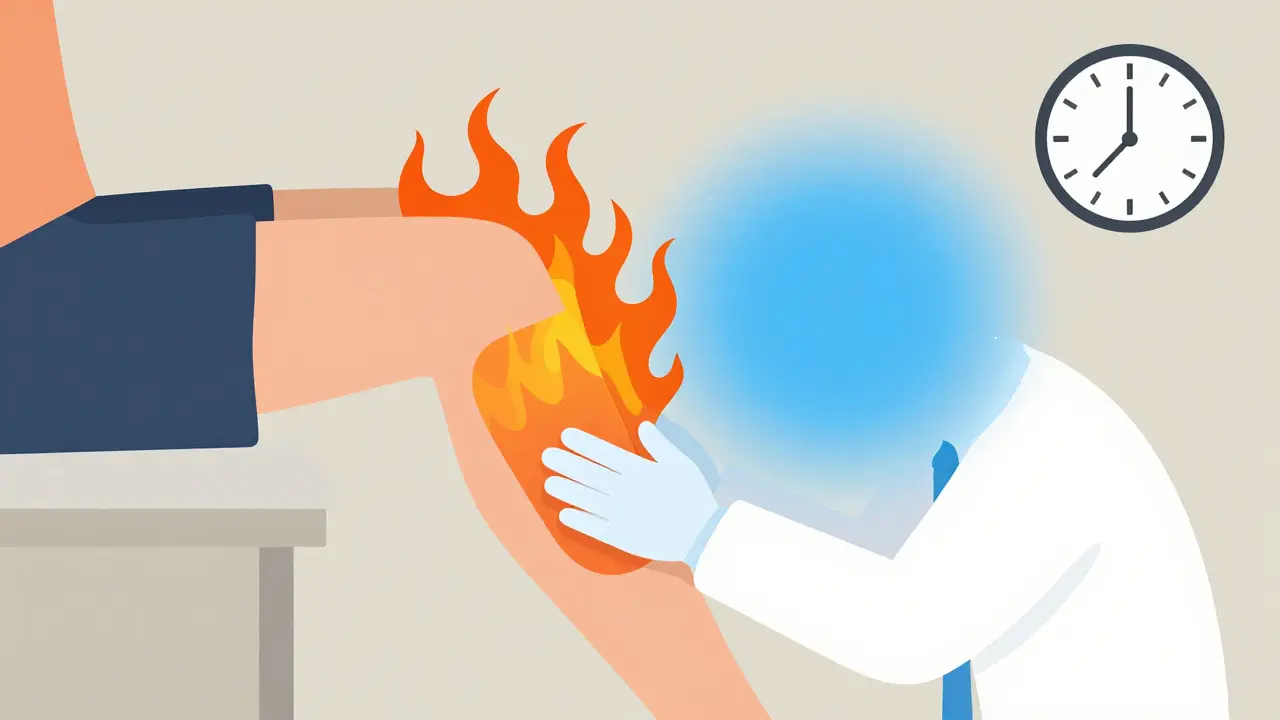
Here’s how: capsaicin overstimulates the TRPV1 receptors on pain nerves. At first, that causes a burning sensation - sometimes intense. But after 30 to 60 minutes, those nerves get tired. They stop sending pain signals. It’s called defunctionalization.
This isn’t something you apply yourself at home. Qutenza® requires a healthcare provider to apply it in a clinic. Why? Because the initial burn can be brutal. Patients report it feels like a hot poker on the skin. But once it passes, many say the relief lasts for weeks - sometimes up to three months.
For postherpetic neuralgia, studies show 1 in 4 people get at least 30% pain relief. That’s better than many oral drugs, and without the brain fog or dizziness. The catch? You have to tolerate the burn. About half of people who try it quit because of the discomfort.
OTC capsaicin creams (0.025% to 0.1%) are milder. They work too, but you need to use them daily for weeks before you feel real results. And you can’t apply them near your eyes, mouth, or genitals - even a tiny bit can cause serious irritation.
NSAID Gels: The Anti-Inflammatory on Your Skin
NSAID gels - like Voltaren (diclofenac 1%) - are the most popular topical pain relievers. You can buy them without a prescription in most places.
They work by blocking COX enzymes right where you apply them. That cuts down on prostaglandins - the chemicals that cause swelling and pain in joints and muscles. The magic? The gel delivers 10 to 100 times more drug to your sore knee than what ends up in your blood.
For osteoarthritis in the knees or hands, studies show about 60% of people get at least half their pain gone in four weeks. That’s as good as taking oral NSAIDs - but with 50 times fewer stomach problems. In fact, less than 1 in 30 users get any GI side effects, compared to 1 in 7 for pills.
Use it right: apply a 2- to 4-inch ribbon of gel four times a day. Rub it in gently. Don’t wash your hands right after unless you’ve washed the gel off first - you don’t want to accidentally get it in your eyes.
It takes about 45 minutes to start working. Some people say it’s slow. But if you’ve ever had a stomach ulcer from ibuprofen, you’ll appreciate the trade-off.
What Works Best for What Pain?
Not all topical analgesics are created equal. Here’s a quick guide based on real-world results:
- Postherpetic neuralgia (shingles pain): 8% capsaicin patch > 5% lidocaine patch > OTC creams
- Knee or hand osteoarthritis: Diclofenac gel > capsaicin cream > lidocaine patch
- Muscle strains or sprains: NSAID gel > menthol-based creams > lidocaine
- Localized nerve pain (e.g., from injury): Lidocaine patch > capsaicin (if tolerated)
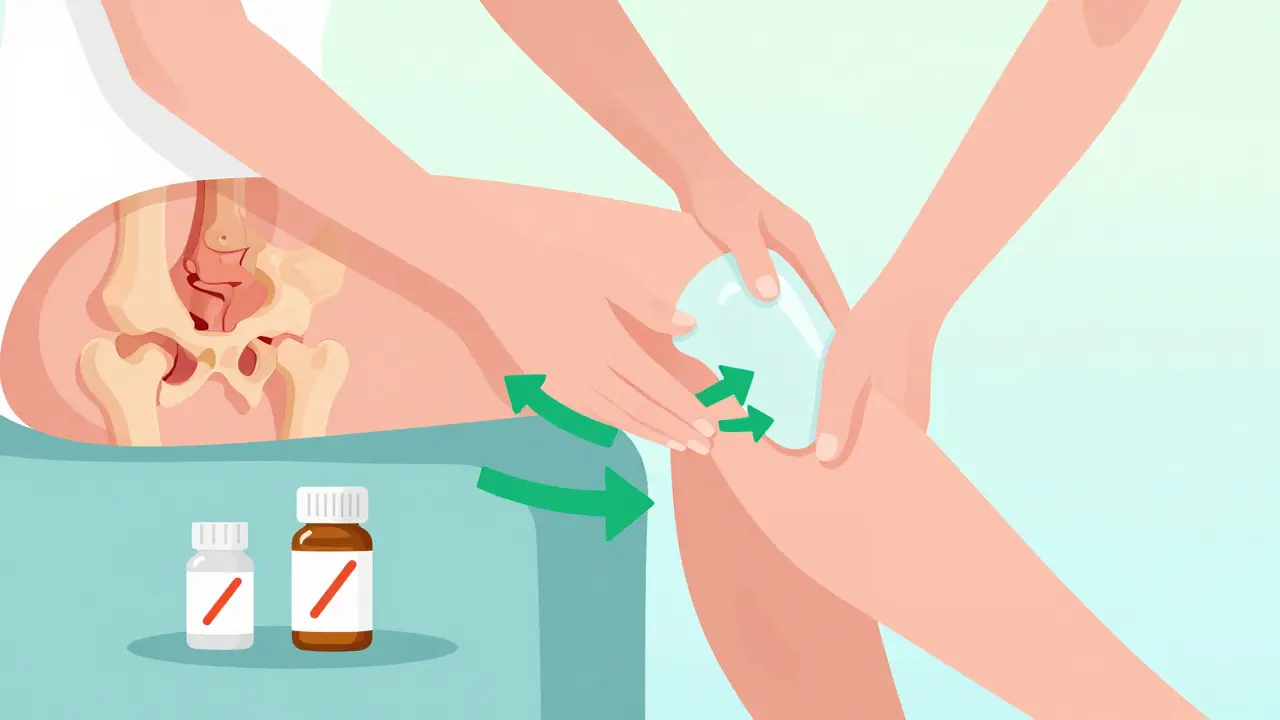
For deep hip pain? Topical gels won’t help much. They only penetrate about 5 to 10 millimeters into the skin - not enough to reach joints buried under layers of muscle.
Real People, Real Results
People who’ve tried these say it’s hit or miss - but when it works, it’s life-changing.
One Reddit user with shingles nerve pain said: “The capsaicin patch burned like hell for an hour, but then my pain dropped from 8/10 to 3/10. I didn’t need opioids anymore.”
Another with knee arthritis: “Voltaren gel takes 45 minutes, but I get 6 hours of relief. No stomach pain. No pills. I use it every day.”
But it’s not perfect. About 1 in 3 users report skin irritation. Some say the gel is messy. Others say it doesn’t work unless they apply it just right - and most people use too little.
Studies show 60% of first-time users apply less than the recommended amount. That’s like taking half a pill and wondering why it didn’t work.
How to Use Them Right
Getting results means using them correctly.
Lidocaine patches: Use no more than three per day. Leave them on for 12 hours, then take them off for 12. Don’t cut them. Don’t apply to broken skin.
Capsaicin (OTC): Wash your hands after applying. Wait 30 minutes before touching anything else. Don’t use on open wounds. Be patient - it takes 2 to 4 weeks to build up.
NSAID gels: Apply 4 times a day, at least 4 hours apart. Use a 2- to 4-inch ribbon. Rub in gently. Don’t cover with a bandage unless your doctor says so. Avoid sun exposure on the treated area - some gels make skin more sensitive.
And never use more than the maximum weekly dose. For diclofenac gel, that’s 32 grams per day (about 8 inches of gel) for adults.
Who Should Avoid Them?
Most people can use topical analgesics safely. But check with your doctor if you:
- Have a known allergy to any of the ingredients
- Have open wounds, burns, or infected skin
- Are pregnant or breastfeeding
- Have heart disease or high blood pressure (NSAID gels carry a small warning for this)
- Take blood thinners (topical NSAIDs can still interact)
High-concentration capsaicin patches are not for children or people with sensitive skin. Lidocaine patches are safe for older adults - which is why they’re used by 42% of Medicare patients with joint pain.
The Future of Topical Pain Relief
Scientists are working on better ways to get drugs through the skin. New nanoemulsion gels are showing up in trials - they deliver more painkiller to the tissue without increasing blood levels. That could mean stronger relief with even fewer side effects.
Researchers are also testing resiniferatoxin (RTX), a super-strong cousin of capsaicin. It’s 1,000 times more potent. But right now, it doesn’t absorb well through skin. Fix that, and it could replace injections for severe arthritis.
One thing’s clear: as the opioid crisis continues, doctors are pushing topical options harder than ever. The American Pain Society now recommends them as a first choice for localized pain - before pills, before injections.
Bottom Line
Topical analgesics aren’t magic. They won’t fix everything. But for localized pain - whether it’s aching knees, nerve pain from shingles, or a pulled muscle - they’re often the smartest, safest option.
Lidocaine patches? Great for nerve pain with minimal side effects. Capsaicin? Powerful for nerve pain, but you’ve got to endure the burn. NSAID gels? Best for joint and muscle pain, with proven results and low risk.
Try one. Use it right. Give it time. And if it doesn’t help after a few weeks? Talk to your doctor. There are other options. But for millions of people, these gels and patches are the difference between living with pain - and living well.


Post A Comment