
When you're traveling, your body doesn't always keep up. Time zones shift, food changes, and even the air you breathe can throw off your routine. That's where travel medications, medications specifically chosen to prevent or treat health issues that arise during travel. Also known as trip-specific drugs, these aren't just for emergencies—they're your quiet backup plan for staying in control. Whether you're flying across continents or driving through mountains, the right meds can mean the difference between a smooth trip and a ruined day.
One of the most common problems? motion sickness, a condition triggered by movement that causes nausea, dizziness, and vomiting. Also known as travel sickness, it affects nearly half of all travelers, especially on planes, boats, or winding roads. You’ve probably seen people reaching for Antivert or Dramamine at the airport. But not all options are equal. Some cause drowsiness, others don’t work for everyone, and some—like scopolamine patches—need a prescription. Then there’s ginger, acupressure bands, and even breathing techniques that help without a pill. The key isn’t just knowing what works, but knowing what works for you.
Then there’s jet lag, the body clock disruption caused by crossing multiple time zones. Also known as time zone change syndrome, it’s not just about being tired. Melatonin helps some people reset their sleep cycle, but it’s not a magic fix. Taking it at the wrong time can make things worse. And if you’re on regular meds—like thyroid pills, blood thinners, or diabetes drugs—timing matters even more. A pill you take at 8 a.m. at home might need to shift to 8 p.m. overseas. Miss that window, and your body pays the price.
And don’t forget travel vaccines, preventive shots required or recommended for certain destinations. Also known as immunizations for travelers, they’re not optional in places with risks like yellow fever, typhoid, or hepatitis A. Some countries won’t let you in without proof. Others don’t warn you until you’re already there. Getting shots early gives your body time to build protection—and avoids last-minute clinic scrambles.
But here’s the real trap: drug interactions while traveling. You might be taking metformin for diabetes, warfarin for blood thinning, or levothyroxine for your thyroid. Add a new OTC painkiller, an herbal sleep aid, or even a supplement like melatonin, and things can go sideways fast. What’s safe at home isn’t always safe abroad. Some antibiotics used for traveler’s diarrhea can clash with your regular meds. Even something as simple as grapefruit juice can mess with how your body absorbs drugs. You can’t assume every pharmacy abroad stocks the same brands or follows the same rules.
And yes, supplements count. That “natural” ginger capsule you bought at the airport? It might interact with your blood pressure pill. The melatonin gummies? Could make your anxiety meds less effective. Just because something’s labeled “herbal” or “organic” doesn’t mean it’s safe with your prescription. The same rules that apply at home apply on the road.
What you’ll find here aren’t generic lists. These are real, practical breakdowns of what works, what doesn’t, and what you might not even realize is risky. From comparing meclizine to ginger for motion sickness, to understanding how levothyroxine absorption changes across time zones, to spotting hidden animal ingredients in pills if you’re vegan—every post is written for someone who’s been there. No fluff. No guesswork. Just what you need to know before you pack your bag.
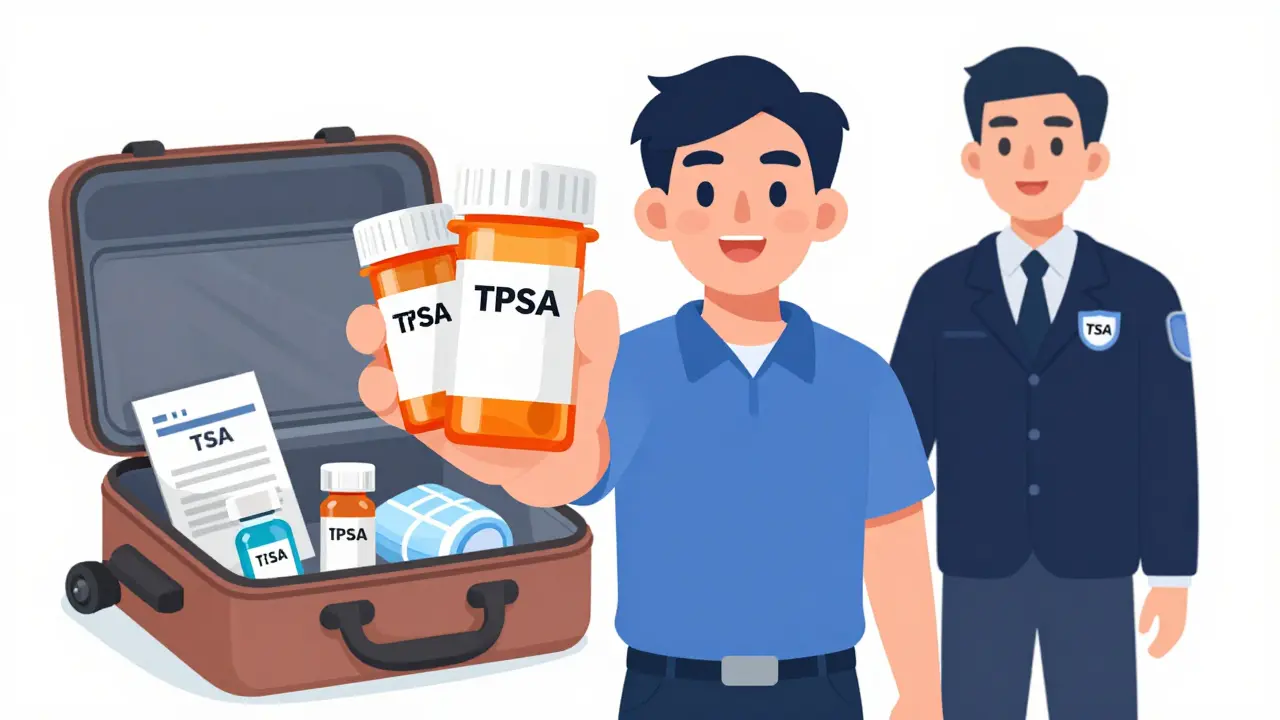
Carrying medications in original containers while traveling avoids legal trouble, customs delays, and medication spoilage. Learn the real rules for flying domestically and internationally in 2026 - including banned drugs, TSA guidelines, and essential documents.
Read More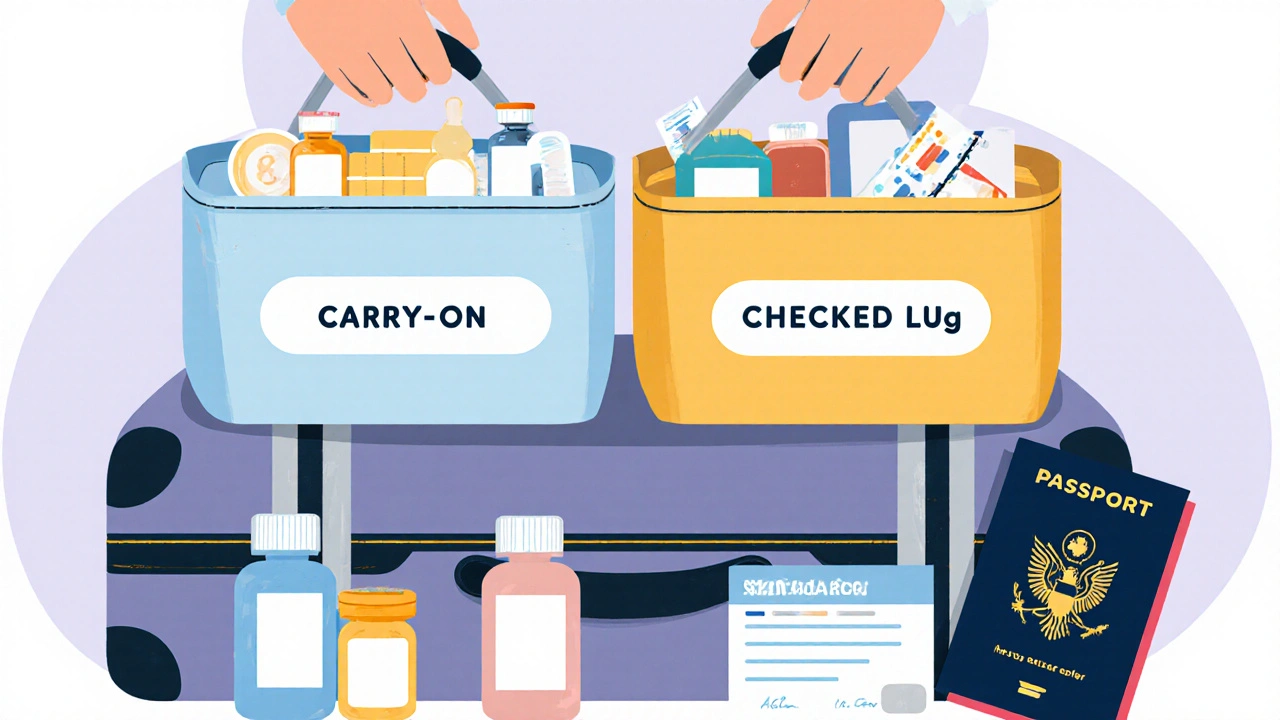
Learn how to avoid running out of medication while traveling. Get tips on early refills, international rules, packing strategies, and what to do if you lose your pills - all based on 2025 guidelines.
Read More