
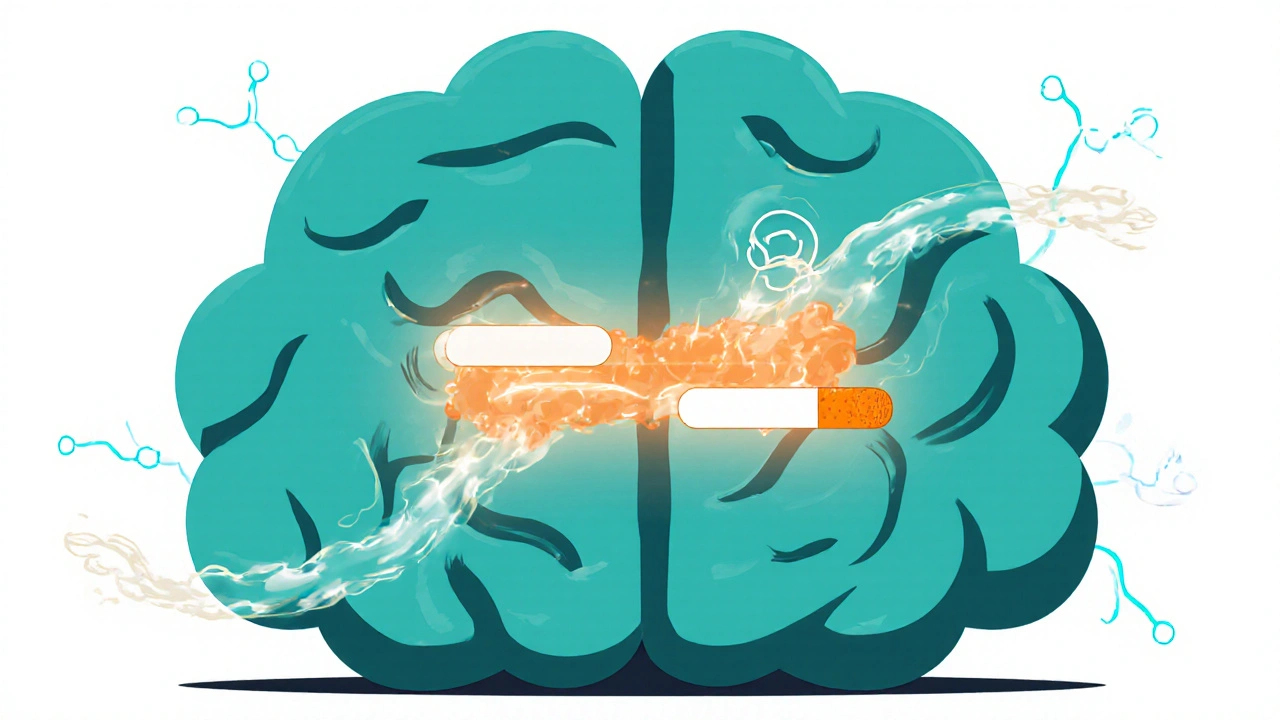
When you’re trying to quit smoking, you’re not just fighting a habit—you’re fighting nicotine addiction, a powerful physical dependence that rewires your brain’s reward system. Also known as tobacco addiction, it’s why so many people relapse, even when they know the risks. Quitting isn’t about willpower alone. It’s about understanding what’s happening in your body and using the right tools to rewire it back.
Many people think quitting means going cold turkey, but that’s not the most effective path. Research shows combining behavioral support with FDA-approved aids like nicotine patches, gum, or prescription meds like varenicline boosts success rates by over 50%. Even better, some people find relief with non-nicotine options like bupropion or natural supports such as acupuncture or herbal remedies—though these work best when paired with a clear plan. The real key? Knowing your triggers. Is it stress? Coffee? After-dinner routines? Tracking them helps you build new habits before cravings hit.
Withdrawal symptoms like irritability, trouble sleeping, or weight gain are normal, but they don’t last forever. Most peak within the first week and fade over 3–4 weeks. What lasts longer is the mental association—smoking as a reward, a break, a comfort. That’s where support systems matter. Talking to someone who’s been there, using apps that track progress, or even switching to a new morning routine can break the cycle. And if you’ve tried before and failed? That’s not a sign you can’t quit—it’s proof you’ve learned what doesn’t work. Every attempt teaches you something new.
Below, you’ll find real, practical guides on what helps people actually quit. From how certain medications affect your body, to hidden risks in supplements people use to cope, to how your genes might influence your response to nicotine—we’ve gathered the tools that work. No fluff. No hype. Just what you need to make this your last cigarette.
Bupropion (Zyban) is a proven tool for quitting smoking, but it can interact dangerously with other drugs. Learn how it works, who should avoid it, and what to watch out for to stay safe.
Read More