
When you’re recovering from mononucleosis, a viral illness caused by the Epstein-Barr virus that leads to extreme fatigue, swollen glands, and sore throat. Also known as the kissing disease, it’s not just a bad cold—it’s a full-system reset for your body. Most people think once the fever and sore throat fade, they’re done. But that’s when the real recovery begins. The virus doesn’t vanish; it goes quiet, hiding in your cells. Your immune system keeps working long after symptoms disappear, and pushing too hard too soon can drag out fatigue for weeks—or months.
Recovery from mono isn’t about pills or supplements. It’s about rest, the one thing doctors stress but patients often ignore. Your body is rebuilding after a major immune battle. Studies show people who return to intense activity too early report longer-lasting exhaustion. Even if you feel okay, your spleen is still vulnerable. A simple bump or fall can cause a rupture—something no one talks about until it’s too late. That’s why avoiding contact sports for at least a month is non-negotiable. And yes, that includes lifting weights, running hard, or even vigorous sex if you’re still tired.
Then there’s the Epstein-Barr virus, the actual cause of mono, which stays in your body for life. It doesn’t mean you’ll get sick again, but it can flare up under stress, sleep loss, or illness. That’s why sleep isn’t optional during recovery—it’s medicine. Skipping sleep to catch up on work or school doesn’t just make you tired; it slows your immune system’s ability to lock the virus back down. And no, energy drinks or caffeine won’t fix it. They might mask the fatigue, but they don’t help your cells heal.
Some people turn to supplements or herbal remedies thinking they’ll speed things up. But there’s no proven shortcut. What does help? Drinking enough water, eating simple, whole foods, and listening to your body. If you feel drained after walking to the mailbox, sit down. If your throat still hurts after a week, keep it soft. And if you’re still exhausted after six weeks, see a doctor—not because you’re weak, but because something else might be going on.
Recovery from mono is messy, slow, and often misunderstood. You won’t find a magic pill in the posts below, but you will find real stories, practical tips, and science-backed advice on what to do—and what to avoid—when your body is still fighting in the background. From how to manage lingering fatigue to why some people bounce back faster than others, these articles cut through the noise. You’re not alone in this. And you don’t have to guess your way through it.
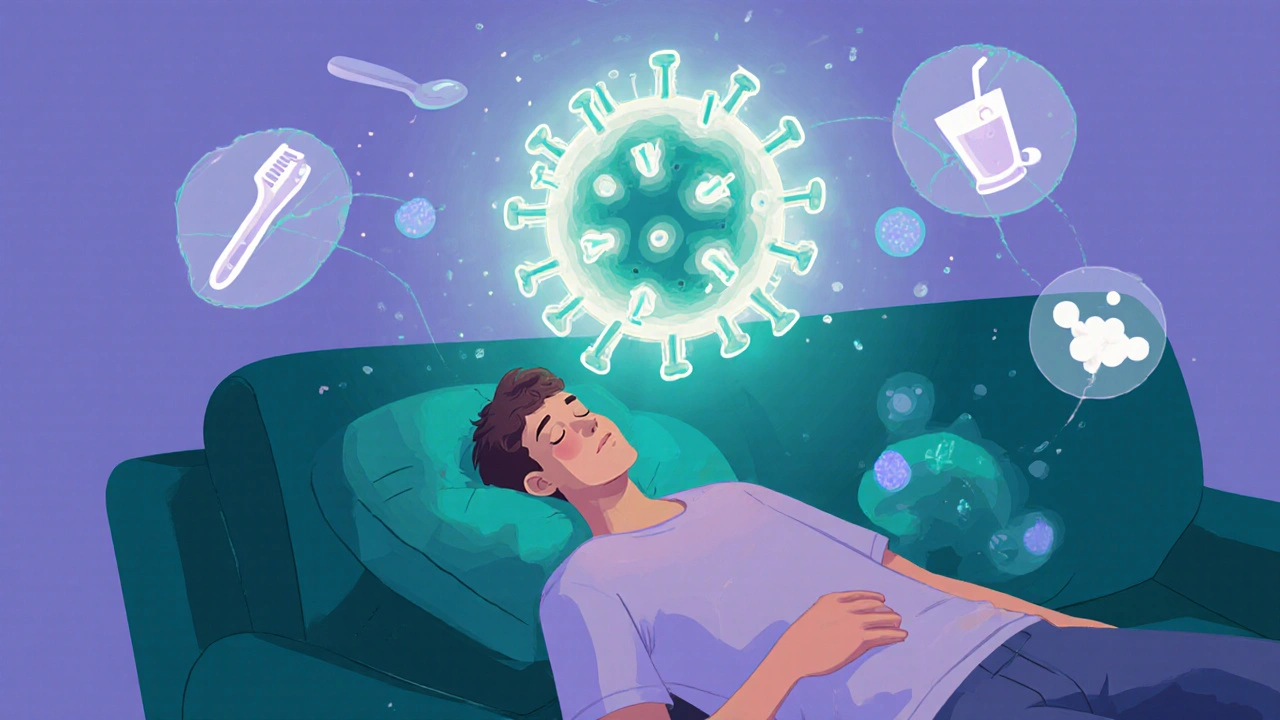
Mononucleosis, caused by the Epstein-Barr virus, leads to severe fatigue and prolonged recovery. Learn how it spreads, why rest matters more than medicine, and how to safely return to daily life without risking complications.
Read More