
When you're traveling with prescription travel, the process of carrying regulated medications across international or state lines while following legal and medical guidelines. Also known as traveling with prescriptions, it's not just about packing pills—it's about knowing what’s allowed, how to prove you need them, and what happens if you get stopped. Many people assume if it’s legal at home, it’s fine abroad. That’s a dangerous myth. The TSA, customs agents, and foreign pharmacies don’t care if your doctor wrote it. They care about the law in their country.
Take controlled substances, drugs regulated by federal or international law due to abuse potential, like opioids, stimulants, or sedatives. A prescription for oxycodone or Adderall in the U.S. might be completely illegal in Japan, Australia, or the UAE—even with a doctor’s note. Some countries require special permits months in advance. Others ban them outright. Then there’s medication labeling, the requirement that prescription bottles clearly show your name, the drug name, dosage, and prescribing doctor’s info. A pill in a ziplock bag? That’s a red flag. Even if it’s your own medicine, unlabeled pills can trigger seizures, delays, or worse. Always keep meds in their original bottles with the pharmacy label intact.
And don’t forget dosage limits, the maximum amount of a drug you’re legally allowed to carry, often tied to the length of your trip. Most countries allow a 30- to 90-day supply, but some, like Canada or the UK, require a letter from your doctor explaining why you need more. Airlines won’t stop you, but customs will. If you’re flying with insulin, thyroid meds, or antidepressants, you’re usually fine—but bring a copy of your prescription and a letter from your provider. It’s not just paperwork. It’s insurance.
What about supplements? Just because they’re sold over the counter doesn’t mean they’re legal everywhere. Melatonin is banned in the UK. Kava is restricted in Canada. Even high-dose vitamin B12 can raise eyebrows in some countries. And don’t assume your pharmacy’s generic version is okay abroad—brand names matter more than you think. If you take levothyroxine, for example, switching to a different formulation overseas could throw off your TSH levels. Same goes for warfarin or seizure meds. Consistency isn’t just about convenience—it’s about safety.
You’ll find real stories here: someone who got detained in Dubai for carrying Xanax, another who flew with 90 days of metformin and never had an issue, and the traveler who learned the hard way that ginger capsules aren’t always considered harmless. We’ve pulled together what actually works from people who’ve been there, and from pharmacists who’ve seen the mistakes. Whether you’re going on a weekend getaway or moving abroad, this collection gives you the facts—not the fluff. No guesswork. No myths. Just what you need to keep your meds safe, legal, and effective wherever you go.
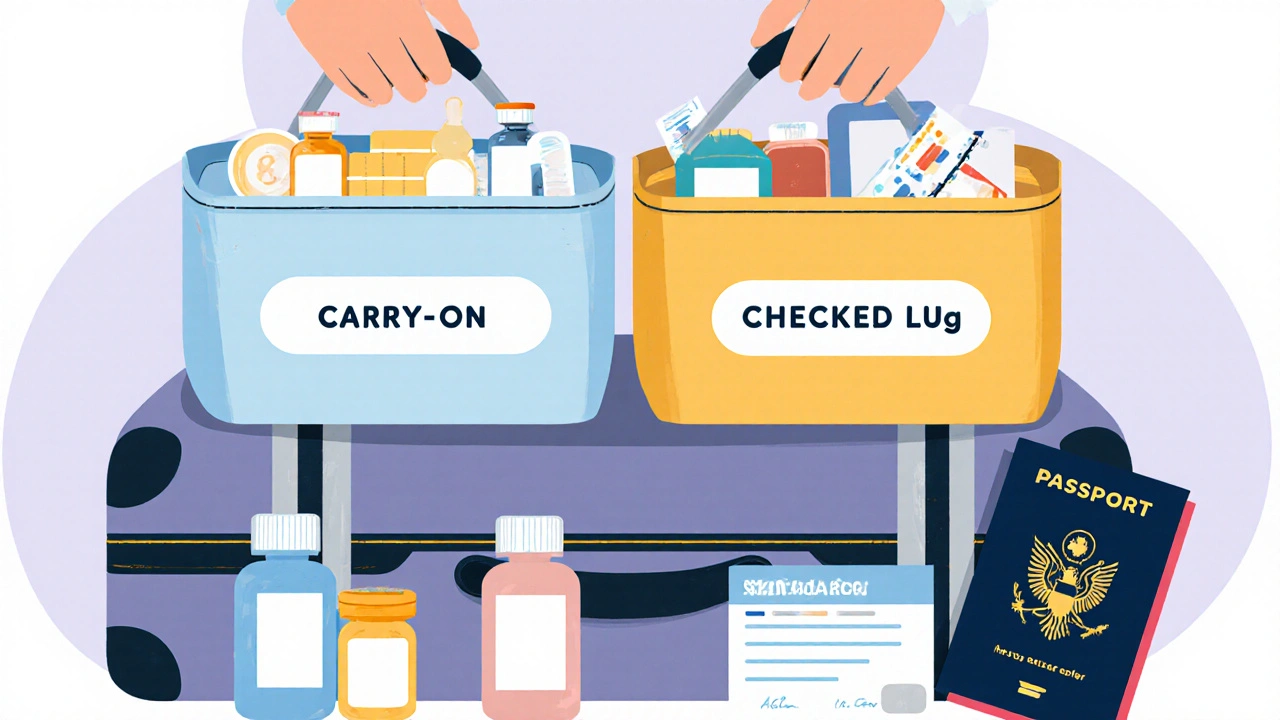
Learn how to avoid running out of medication while traveling. Get tips on early refills, international rules, packing strategies, and what to do if you lose your pills - all based on 2025 guidelines.
Read More