
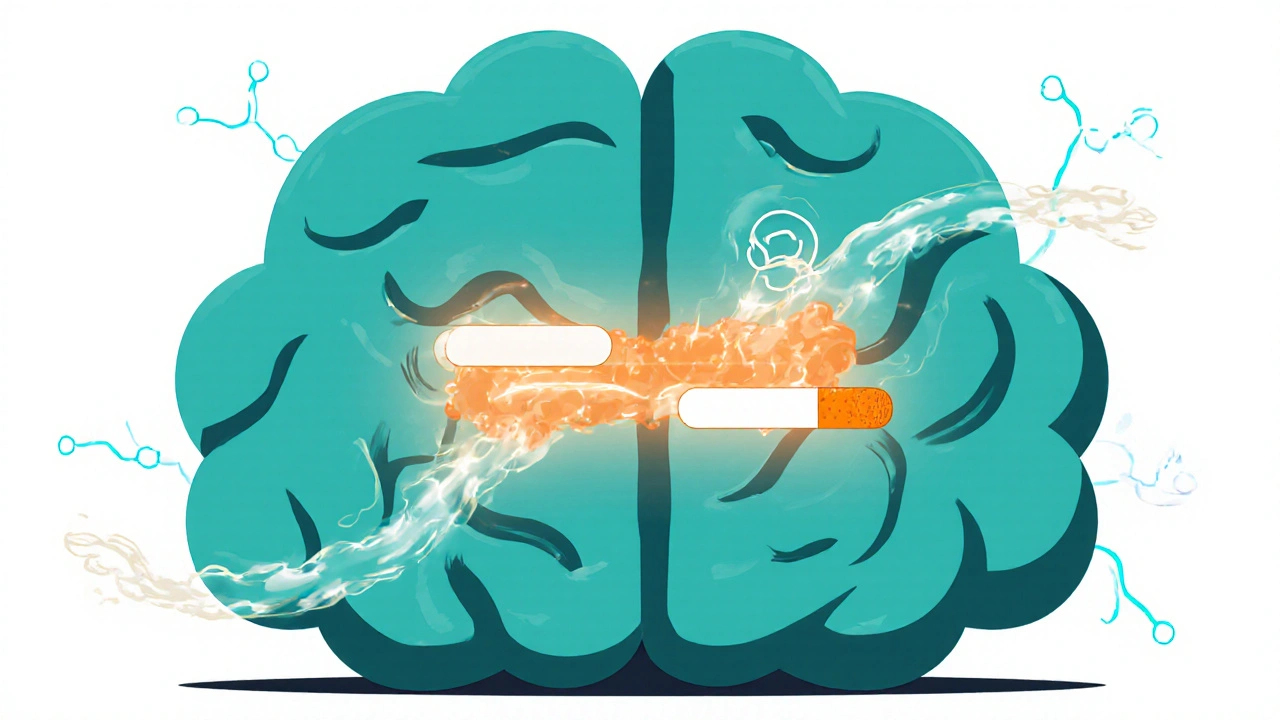
When you stop smoking, your body goes through nicotine withdrawal, the physical and emotional response your body has when it no longer gets the nicotine it’s used to. Also known as smoking cessation syndrome, it’s not just about missing the habit—it’s about your brain chemistry resetting after years of dependence. This isn’t a minor inconvenience. It’s a full-system reboot. Cravings hit hard. Mood swings follow. Sleep gets messy. And for many, that’s why they go back to smoking—even when they really want to quit.
Most people don’t realize nicotine cravings, the intense urge to smoke that peaks in the first 72 hours after quitting are tied to dopamine drops. Your brain was used to getting quick hits of pleasure from nicotine. Now it’s scrambling. That’s why anxiety, irritability, and trouble focusing show up so fast. These aren’t signs you’re weak—they’re signs your body is healing. withdrawal symptoms, the physical and psychological effects that occur after stopping nicotine use usually start within hours, peak around day 3, and begin fading after a week. But for some, low-grade cravings can hang on for months, especially in stressful situations or familiar triggers like coffee, driving, or social events.
What helps? Not everyone needs patches or pills. Many find relief in simple, natural shifts. Walking for 10 minutes cuts cravings. Chewing gum or sipping water gives your mouth something to do. Deep breathing calms the nervous system. And sleep? It’s not optional—it’s your best tool. Poor sleep makes every symptom worse. If you’re struggling with sleep after quitting, you’re not alone. A lot of people report vivid dreams or trouble falling asleep. That’s normal. It usually improves within a few weeks.
Some people turn to herbal support, like Jamaican Dogwood, for anxiety or sleep issues tied to quitting. Others look into how medications interact with their body—especially if they’re taking something for blood pressure, thyroid, or mental health. You might be surprised how often nicotine withdrawal overlaps with other health concerns. For example, quitting can make you more sensitive to side effects from drugs like levothyroxine or metformin. That’s why knowing your body’s new baseline matters.
There’s no magic fix. But there are proven patterns. The first week is the hardest. The first month is the most dangerous for relapse. After that, your chances of staying quit jump dramatically. The key isn’t willpower—it’s strategy. Knowing what to expect, having a plan for cravings, and avoiding triggers that pull you back. You’re not fighting a battle alone. Thousands of people go through this every day. And the good news? Every day without nicotine makes your lungs, heart, and brain stronger.
Below, you’ll find real guides from people who’ve been there—on how to handle cravings without pills, how to fix sleep after quitting, what supplements might help (and which ones to avoid), and how other health conditions can complicate or support your journey. No fluff. Just practical, tested advice.
Bupropion (Zyban) is a proven tool for quitting smoking, but it can interact dangerously with other drugs. Learn how it works, who should avoid it, and what to watch out for to stay safe.
Read More