
When you take a pill, you expect it to help—not hurt. But medication errors, mistakes in prescribing, dispensing, or taking drugs that lead to harm. Also known as drug errors, they’re one of the leading causes of preventable injury in healthcare. These aren’t just rare accidents. They happen every day—in hospitals, pharmacies, and your own medicine cabinet—because the system is complex and human.
Many drug interactions, when two or more medications react in a way that changes their effect are silent killers. Take warfarin and alcohol, for example. One drink might spike your INR and send you to the ER. Or switching from brand-name levothyroxine to a generic without checking absorption rates? That tiny difference can throw your thyroid into chaos. Even something as simple as forgetting to tell your doctor you’re taking a supplement like Jamaican Dogwood could trigger an unexpected reaction. These aren’t theoretical risks—they’re real, documented problems that show up in patient records and emergency rooms.
It’s not always the patient’s fault. A pharmacist might miss a label change. A doctor might prescribe based on outdated guidelines. A nurse might grab the wrong vial in a busy shift. And when you’re juggling multiple prescriptions—like metformin, statins, and blood pressure meds—the chance of mixing them up grows. That’s why prescribing decisions, the careful balance of benefits versus risks when choosing a drug matter so much. Providers who skip this step, or don’t ask about what else you’re taking, put you at risk. Even generic medications, lower-cost versions of brand drugs that must meet FDA standards for effectiveness aren’t always interchangeable. If you’re on a narrow therapeutic index drug like warfarin or levothyroxine, even small changes in inactive ingredients can make a big difference in how your body responds.
And then there’s patient safety—the part you can control. Knowing your meds, asking questions, and double-checking labels aren’t just good habits. They’re survival skills. You don’t need to be a pharmacist to spot a red flag. If a pill looks different than last time, ask why. If your doctor prescribes something new without explaining the side effects, push back. If you’re traveling and worried about refills, plan ahead. These aren’t just tips—they’re the difference between staying healthy and ending up in the hospital because of a mistake that never had to happen.
Below, you’ll find real stories and practical guides from people who’ve been there—whether it’s avoiding statin side effects, understanding why your generic thyroid med isn’t working like it used to, or learning how alcohol can turn a blood thinner into a danger zone. These aren’t theory pieces. They’re field reports from the front lines of medication safety. Read them. Use them. Keep yourself and your loved ones protected.
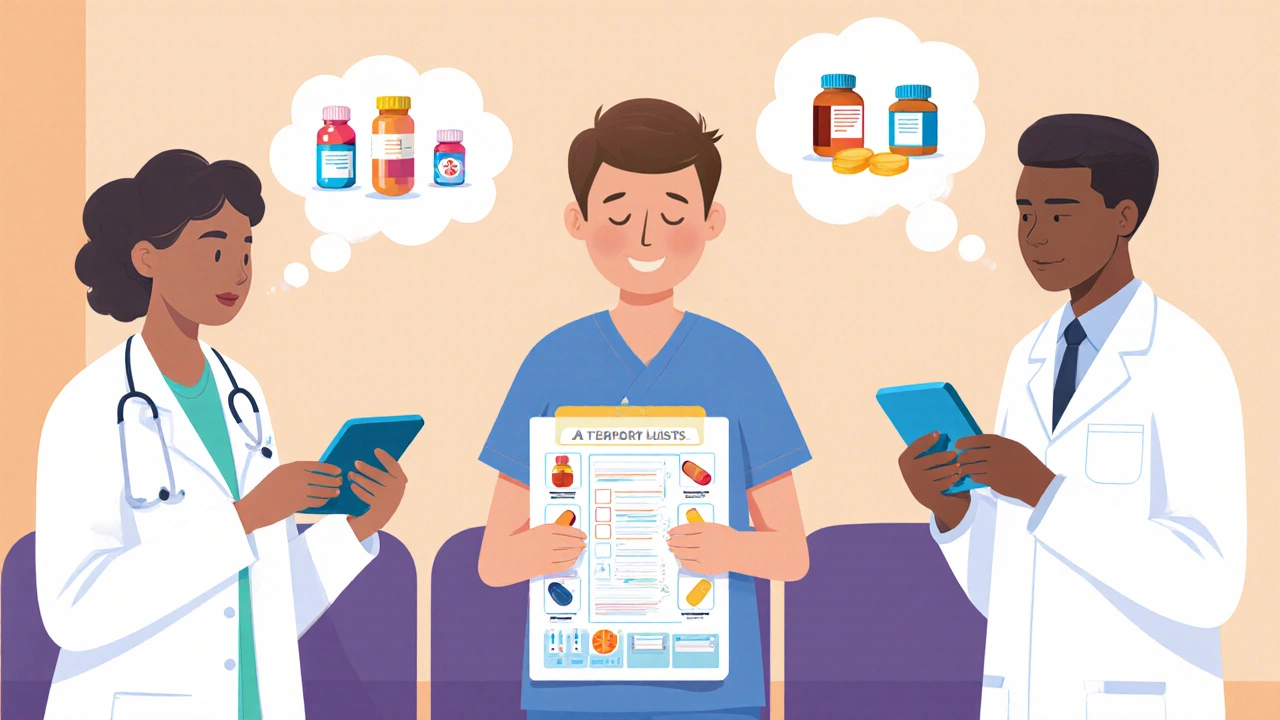
Learn how to prevent dangerous drug interactions by communicating clearly with multiple healthcare providers. Get practical steps to organize your meds, ask the right questions, and get your team on the same page.
Read More