
When you hear infectious mononucleosis, a viral illness commonly known as mono, often triggered by the Epstein-Barr virus. Also known as the kissing disease, it’s not just about tiredness—it’s your immune system going into overdrive after a virus takes hold. Most people get it as teens or young adults, often through saliva, which is why it’s nicknamed the kissing disease. But you don’t need to kiss someone to catch it—sharing drinks, utensils, or even coughing near someone infected can spread it.
The Epstein-Barr virus, a member of the herpes family that infects over 90% of adults worldwide is the usual culprit. Once it’s in your system, it doesn’t just cause a sore throat and fever—it slows you down for weeks. Fatigue isn’t just a side effect; it’s a core symptom. Your body is fighting hard, and rest isn’t optional—it’s medical advice. Swollen lymph nodes, enlarged spleen, and sometimes liver inflammation are common. Blood tests show abnormal white blood cells, and doctors often rule out strep throat because the symptoms look similar.
There’s no magic pill for infectious mononucleosis. Antibiotics don’t work because it’s viral, not bacterial. Some people try antivirals, but studies show they don’t shorten the illness in most cases. Pain relievers like acetaminophen or ibuprofen help with fever and throat pain, but they don’t touch the virus itself. The real treatment? Time, fluids, and avoiding contact sports—because a swollen spleen can rupture if you get hit. Even after you feel better, fatigue can linger for months. That’s not laziness. That’s your body still recovering.
What you won’t find in most guides is how often people confuse mono with chronic fatigue syndrome or even early signs of other infections. Some patients get misdiagnosed for months because doctors don’t test for Epstein-Barr unless symptoms are classic. And while most recover fully, a small number develop complications like liver inflammation or airway blockage from swollen tonsils. That’s why knowing the red flags matters: severe abdominal pain, trouble breathing, or yellowing skin? Get checked immediately.
The posts below cover real-world issues tied to infectious mononucleosis and its ripple effects. You’ll find advice on managing fatigue without drugs, how to avoid dangerous interactions if you’re on other meds, and why some people struggle to bounce back even after the virus is gone. There’s also guidance on when to see a specialist, how to talk to your doctor about lingering symptoms, and what supplements might help—or hurt—your recovery. This isn’t just about one illness. It’s about understanding how your body reacts when pushed to its limit, and how to navigate the messy middle ground between feeling sick and feeling normal again.
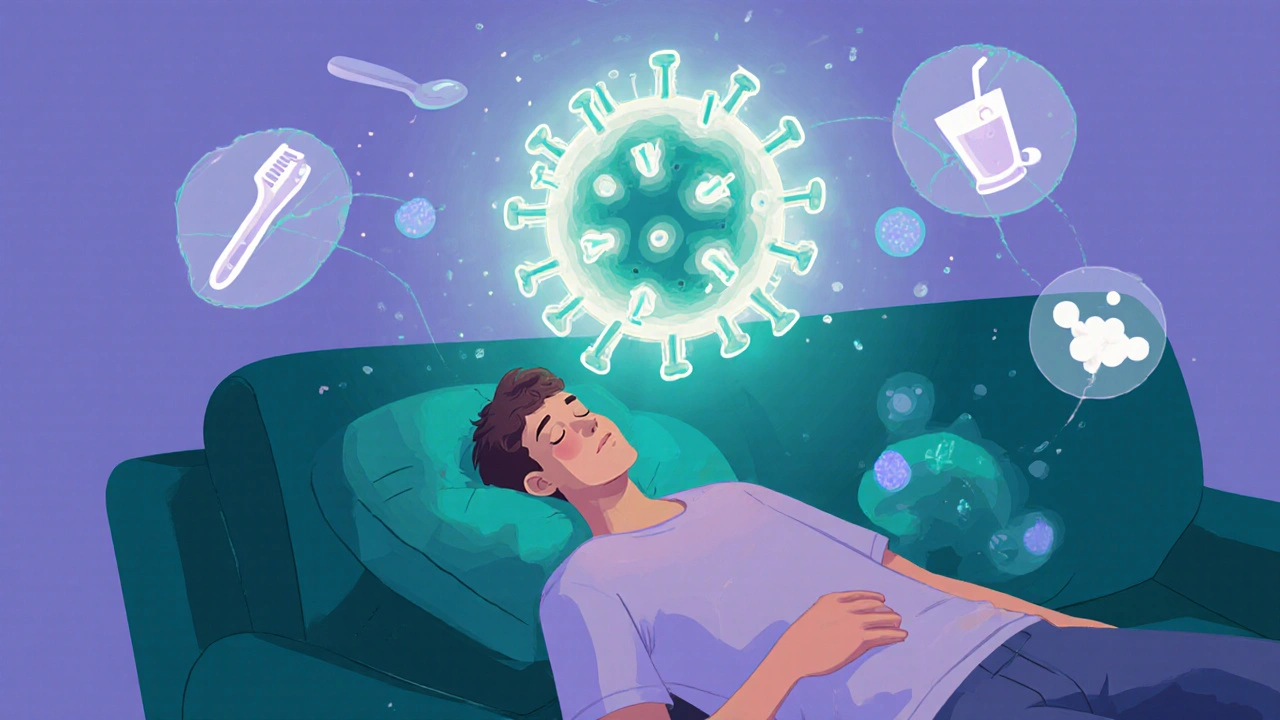
Mononucleosis, caused by the Epstein-Barr virus, leads to severe fatigue and prolonged recovery. Learn how it spreads, why rest matters more than medicine, and how to safely return to daily life without risking complications.
Read More