
When you pick up a generic equivalence, the official term for when a generic drug performs the same as its brand-name version in the body. Also known as bioequivalence, it means the active ingredient is identical, and the FDA says it works the same way. But here’s the catch: that doesn’t always mean it feels the same to your body.
Most people switch to generics without issue—saving money, getting the same results. But for drugs with a narrow therapeutic index, medications where even tiny changes in blood levels can cause serious side effects or treatment failure, like levothyroxine or warfarin, small differences in inactive ingredients or how the drug is absorbed can make a real difference. One person might feel fine switching from brand to generic. Another might get dizzy, fatigued, or have their thyroid numbers go off track. It’s not about quality—it’s about how your body handles the specific formulation.
That’s why some doctors stick with brand-name drugs for certain conditions. It’s not about profit. It’s about control. If you’re on a drug where the margin for error is razor-thin, your doctor might recommend staying put. And if you do switch, your pharmacist should know. You should know too. Watch for changes in how you feel. Track your symptoms. Ask for lab tests if needed. Generic equivalence is a legal and scientific standard, but your body doesn’t care about paperwork—it cares about what actually gets into your bloodstream.
Below, you’ll find real stories and science-backed guides on how generic drugs affect people differently, what hidden ingredients might be triggering reactions, and which medications demand extra attention. Whether you’re managing thyroid disease, blood thinning, or chronic pain, these posts give you the facts you need to ask the right questions and stay in control of your health.
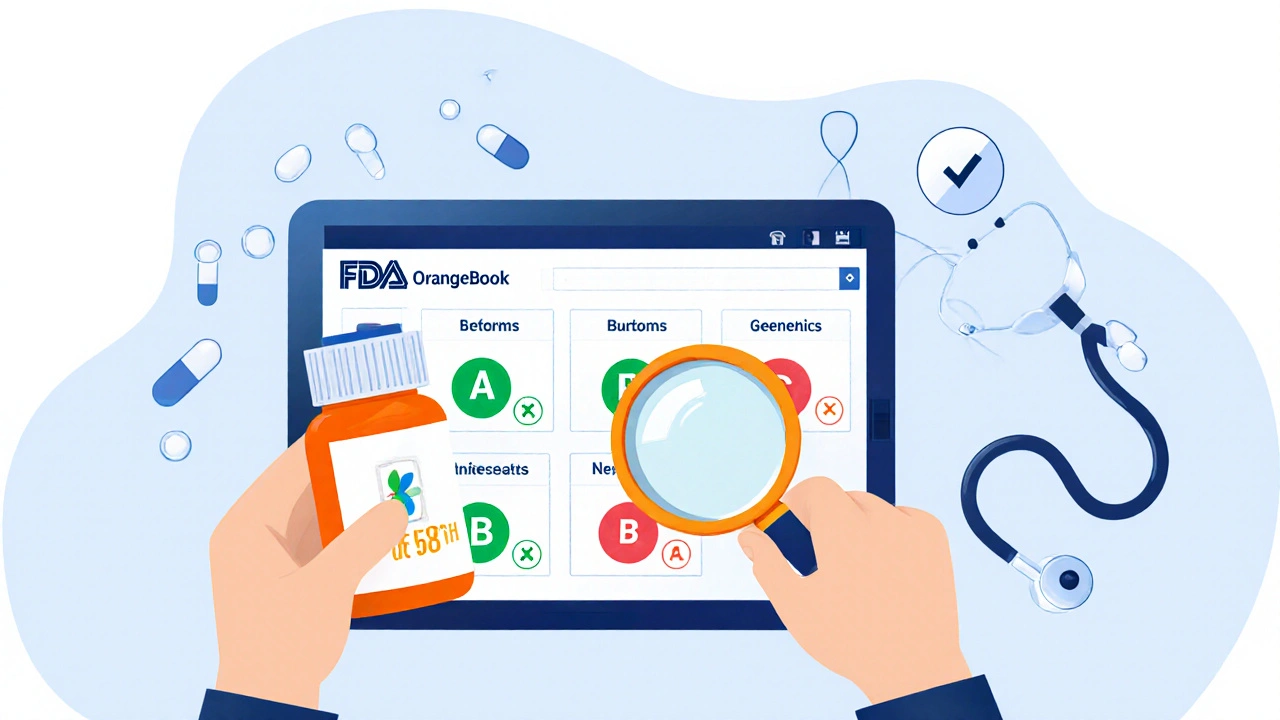
Learn how to use the FDA Orange Book to verify if a generic drug is truly equivalent to its brand-name version. Understand TE codes, AB ratings, and common mistakes to avoid unsafe substitutions.
Read More