
When you get fatigue from mono, a lingering exhaustion that doesn’t go away even after other symptoms fade. Also known as chronic fatigue after mononucleosis, it’s not just being tired—it’s your body still fighting the Epstein-Barr virus, a common herpesvirus that triggers infectious mononucleosis. This virus doesn’t just cause sore throats and swollen glands; it rewires your immune system for weeks, sometimes months, leaving you drained even when you’re sleeping enough.
The real issue isn’t the virus itself—it’s how your body responds. Your immune system goes into overdrive, releasing cytokines that make you feel flu-like, and that response lingers long after the virus is under control. That’s why some people feel fine one day and crash the next. It’s not laziness. It’s not depression. It’s immunological fatigue. And it’s common: studies show over 80% of people with mono report extreme tiredness lasting more than a month, and about 1 in 5 still feel worn out after six months. This isn’t normal tiredness—it’s a biological reset that takes time.
What makes it worse? Pushing too hard too soon. You might feel tempted to return to work, school, or the gym because your fever’s gone and your throat doesn’t hurt anymore. But your spleen is still vulnerable, your muscles are still recovering, and your energy reserves are low. Rest isn’t optional—it’s part of the treatment. Sleep, hydration, and gentle movement like walking are the only proven tools. No supplements, no energy drinks, no stimulants will fix this. Your body needs time to rebuild its energy stores and recalibrate its immune signals.
There’s also a link between mononucleosis, a viral infection most common in teens and young adults and long-term fatigue syndromes. While most people fully recover, a small percentage develop persistent symptoms that resemble chronic fatigue syndrome. The science isn’t settled, but there’s growing evidence that Epstein-Barr virus may trigger immune dysfunction in those genetically prone to it. That doesn’t mean you’ll get it—but if your fatigue drags on past three months, it’s worth talking to a doctor about ruling out other causes like thyroid issues, anemia, or sleep disorders.
You won’t find a magic pill for fatigue from mono. But you can control the variables: sleep quality, stress levels, nutrition, and pacing. Eat real food. Skip the caffeine crashes. Avoid alcohol—it worsens liver stress when your body is already overloaded. And don’t compare your recovery to someone else’s. Some bounce back in two weeks. Others take six months. Both are normal.
Below, you’ll find real-world advice from people who’ve been through this—how they managed their energy, what helped their recovery, and what didn’t. No fluff. No hype. Just practical steps backed by medical insight and patient experience.
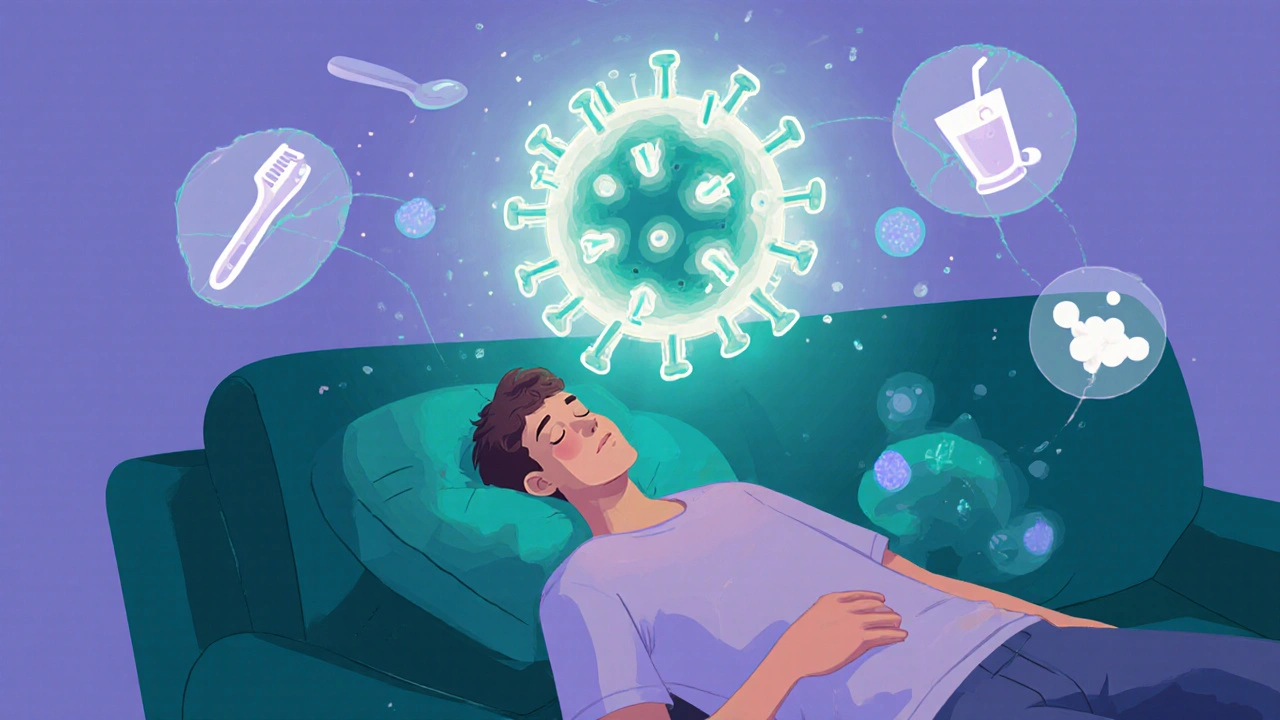
Mononucleosis, caused by the Epstein-Barr virus, leads to severe fatigue and prolonged recovery. Learn how it spreads, why rest matters more than medicine, and how to safely return to daily life without risking complications.
Read More