
When you hear Epstein-Barr virus, a common herpesvirus that infects most people by adulthood and is best known for causing mononucleosis. Also known as EBV, it doesn’t always make you sick—but when it does, the fatigue and sore throat can last for weeks. About 95% of adults have been infected at some point, often without even knowing it. For many, it’s a quiet passenger in the body, hiding in immune cells after the first infection. But for others, especially teens and young adults, it triggers mononucleosis, a contagious illness marked by extreme tiredness, swollen glands, and fever—sometimes called the "kissing disease" because it spreads through saliva.
What’s less known is how Epstein-Barr virus links to other conditions. It doesn’t just cause a temporary illness; it can play a role in long-term immune changes. Some studies show it’s tied to autoimmune disorders like multiple sclerosis and certain types of lymphoma, though most people with EBV never develop these issues. Your body’s immune response, the system that fights off infections and remembers past invaders is key here. Once EBV enters your system, your immune cells learn to keep it in check—but that same response can sometimes turn against your own tissues. That’s why doctors now watch for EBV in people with unexplained fatigue or unusual immune symptoms.
There’s no cure for Epstein-Barr virus, and no vaccine yet. But that doesn’t mean you’re powerless. Rest, hydration, and avoiding contact sports during an active infection can prevent complications like spleen rupture. If you’ve had mononucleosis, you might notice fatigue lingers longer than expected—this isn’t unusual. And if you’re on long-term medications like immunosuppressants or blood thinners, knowing your EBV status matters. Some drugs can reactivate the virus, leading to flare-ups you didn’t see coming.
The posts below cover real-world connections you might not expect: how EBV affects medication timing, why some people react differently to supplements after infection, and how immune changes from past viral infections can alter how your body handles drugs like statins or thyroid meds. You’ll find practical advice on managing fatigue, avoiding drug interactions, and understanding why your body behaves differently after a viral infection. This isn’t just about one virus—it’s about how your past infections shape your present health.
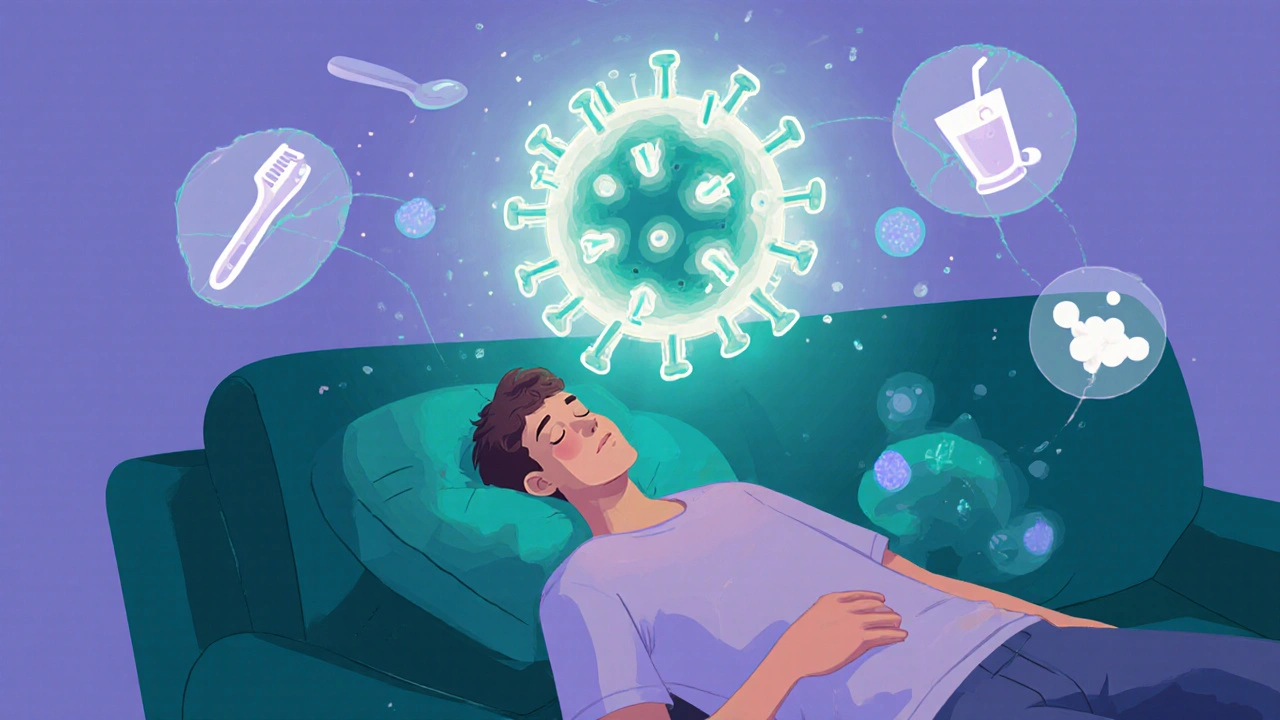
Mononucleosis, caused by the Epstein-Barr virus, leads to severe fatigue and prolonged recovery. Learn how it spreads, why rest matters more than medicine, and how to safely return to daily life without risking complications.
Read More