
When you pick up a prescription, the price on the receipt doesn’t tell the whole story. Drug pricing, the cost structure behind prescription medications, including brand-name drugs, generics, and specialty treatments. Also known as pharmaceutical pricing, it’s shaped by patents, insurance deals, and regulatory loopholes—not just how much it costs to make the pill. Most people assume higher price means better quality, but that’s not true. A generic version of a drug can be 80% cheaper and work just as well, yet many still pay more out of fear or confusion.
Behind every price tag is a system few understand. Generic drugs, medications that are chemically identical to brand-name versions but sold without the marketing costs. Also known as brand equivalents, they’re approved by the FDA under strict equivalence rules. The FDA Orange Book, a public database that lists approved drug products with therapeutic equivalence evaluations tells you which generics are safe to swap, but pharmacies don’t always tell you. Then there’s pediatric exclusivity, a six-month market protection granted to drugmakers who test medicines on children, even if the patent has expired. This isn’t a patent extension—it’s a regulatory delay that keeps generics off shelves longer, keeping prices high for parents who need those drugs.
Drug pricing also gets tangled in how insurers and pharmacy benefit managers (PBMs) negotiate. A drug might cost $10 at the manufacturer level, but after rebates, discounts, and middlemen take their cut, you pay $50. And if you’re uninsured? You’re stuck with the list price—the highest one possible. That’s why some people skip doses, split pills, or search for alternatives online. It’s not carelessness—it’s survival.
What you’ll find in these articles isn’t just theory. Real people are dealing with statin side effects that make them question whether the cost is worth it. Others are learning how to use the FDA Orange Book to find cheaper, equally effective generics. Some are discovering how a single change in dosing schedule can cut their monthly bill in half. And then there’s the hidden truth: some medications cost more because they’re targeted at small patient groups, not because they’re better.
There’s no magic fix for drug pricing, but there are tools, tricks, and truths that can help you pay less without sacrificing health. Whether you’re managing diabetes with metformin, controlling blood pressure with azilsartan, or trying to avoid interactions with blood thinners, understanding how pricing works gives you power. You don’t have to accept the sticker price. You just need to know where to look—and what questions to ask.
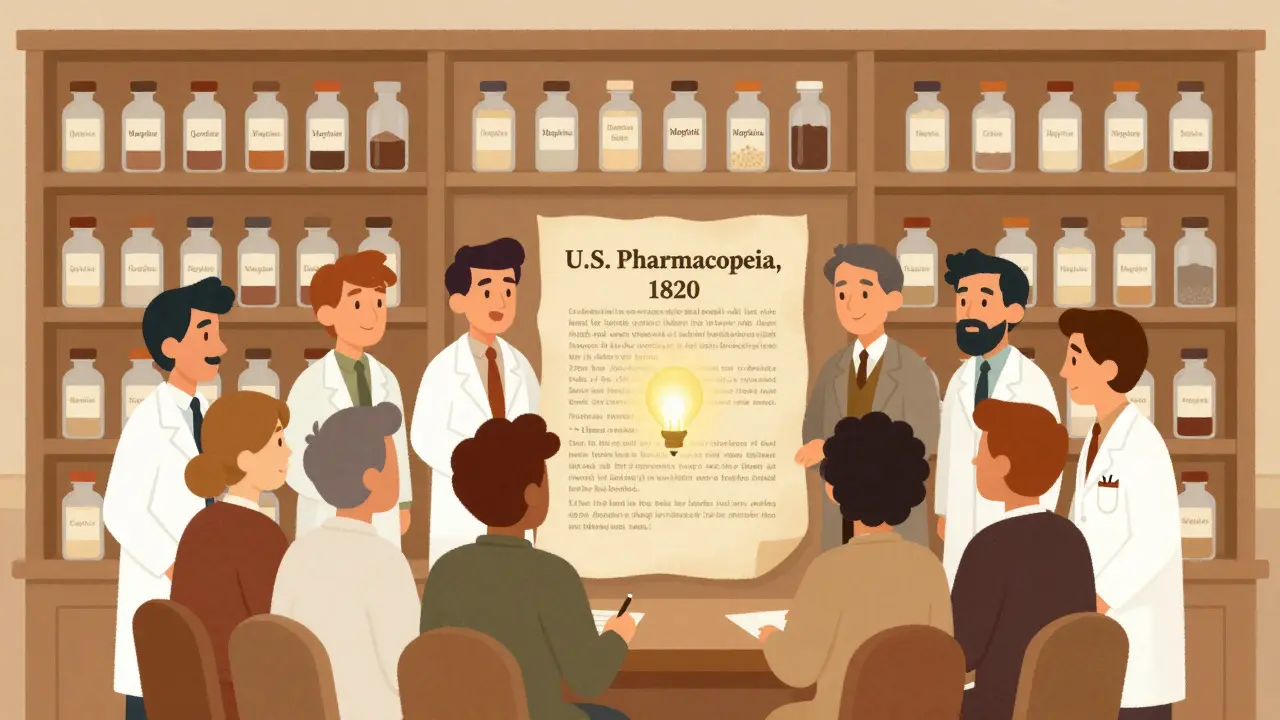
Generic drugs now make up over 90% of U.S. prescriptions but cost only 23% of total drug spending. Their history traces back to 1820, with key laws like Hatch-Waxman and FDA reforms shaping today's affordable medication system.
Read More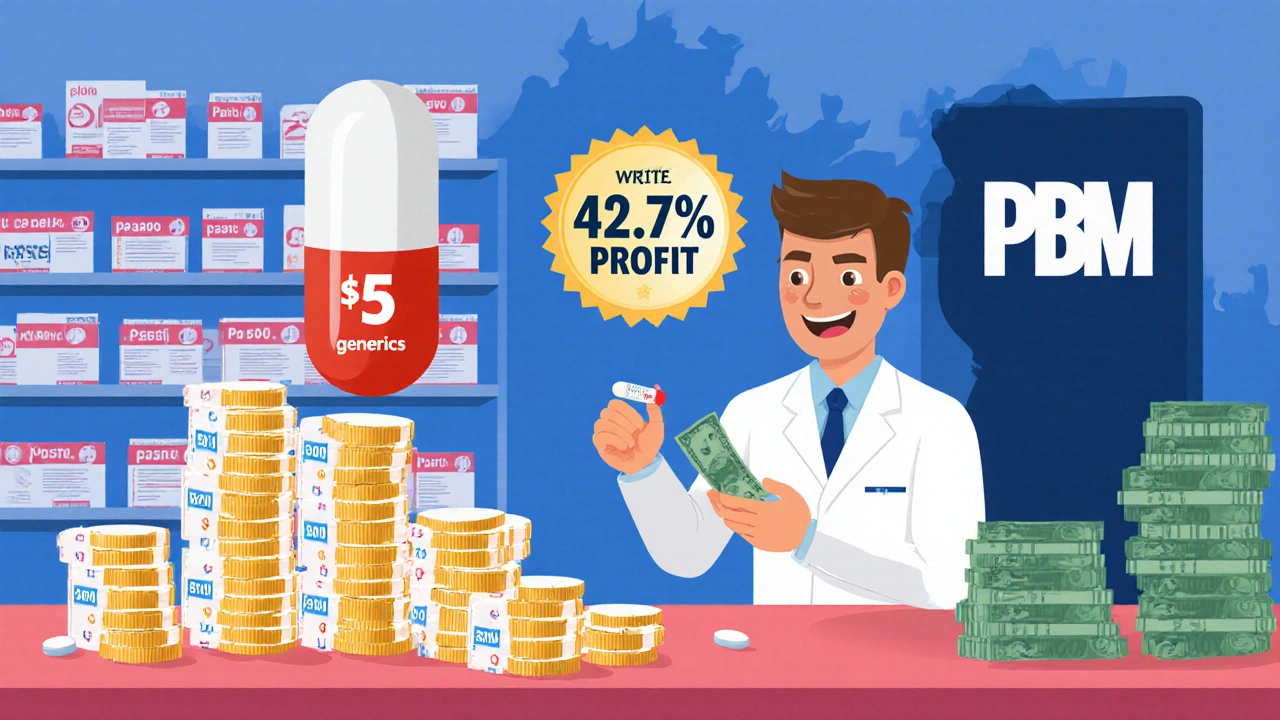
Generics make up 90% of prescriptions but only 25% of drug spending-yet they generate 96% of pharmacy profits. This is how the math works, why independent pharmacies are closing, and who really benefits.
Read More