
When you buy a dietary supplement, a product taken orally to add nutrients or support health, often marketed as natural or safe. Also known as nutritional supplement, it doesn’t go through the same testing as prescription drugs. That’s the problem. People assume "natural" means harmless, but that’s not true. Many supplements carry serious risks—some even land people in the hospital.
Take herbal supplements, plant-based products used for health benefits, often sold without standardization or regulation. Jamaican Dogwood, for example, might help with sleep or pain, but it can mess with your liver or interact with antidepressants. And you won’t know unless you check. These aren’t tested for safety the way pills are. One study found that nearly 1 in 5 supplements contained unlisted pharmaceuticals—like steroids or erectile dysfunction drugs—hidden in the formula. That’s not a mistake. That’s fraud.
Then there’s drug interactions, harmful reactions between supplements and medications that can reduce effectiveness or cause life-threatening side effects. If you’re on warfarin, a blood thinner, and start taking vitamin K or ginkgo biloba, you could bleed internally. If you’re taking metformin for diabetes, extra B12 supplements might hide a deficiency that’s already damaging your nerves. Even something as simple as calcium can block thyroid medication from working. These aren’t rare cases. They happen every day.
And don’t forget vitamin toxicity, damage caused by taking too much of a vitamin or mineral, often from high-dose supplements. Fat-soluble vitamins like A, D, E, and K build up in your body. Too much vitamin D can wreck your kidneys. Too much iron? That’s not just a problem for kids—it can cause liver failure in adults. People take mega-doses thinking they’re boosting health, but they’re just poisoning themselves slowly.
These dangers don’t show up on the label. No warning says, "This might kill you." The FDA doesn’t approve supplements before they hit shelves. They only act after people get hurt. That’s why you need to know what you’re taking, why you’re taking it, and what else you’re on. It’s not about fear. It’s about awareness.
The posts below dig into real cases—like how a common herb can interfere with quitting smoking, why generic drugs behave differently in some people, and how hidden animal ingredients in pills can mess with vegan diets. You’ll see how supplements connect to medications, how labels lie, and why your doctor should always know what’s in your medicine cabinet. This isn’t about stopping supplements. It’s about taking them safely—without guessing.
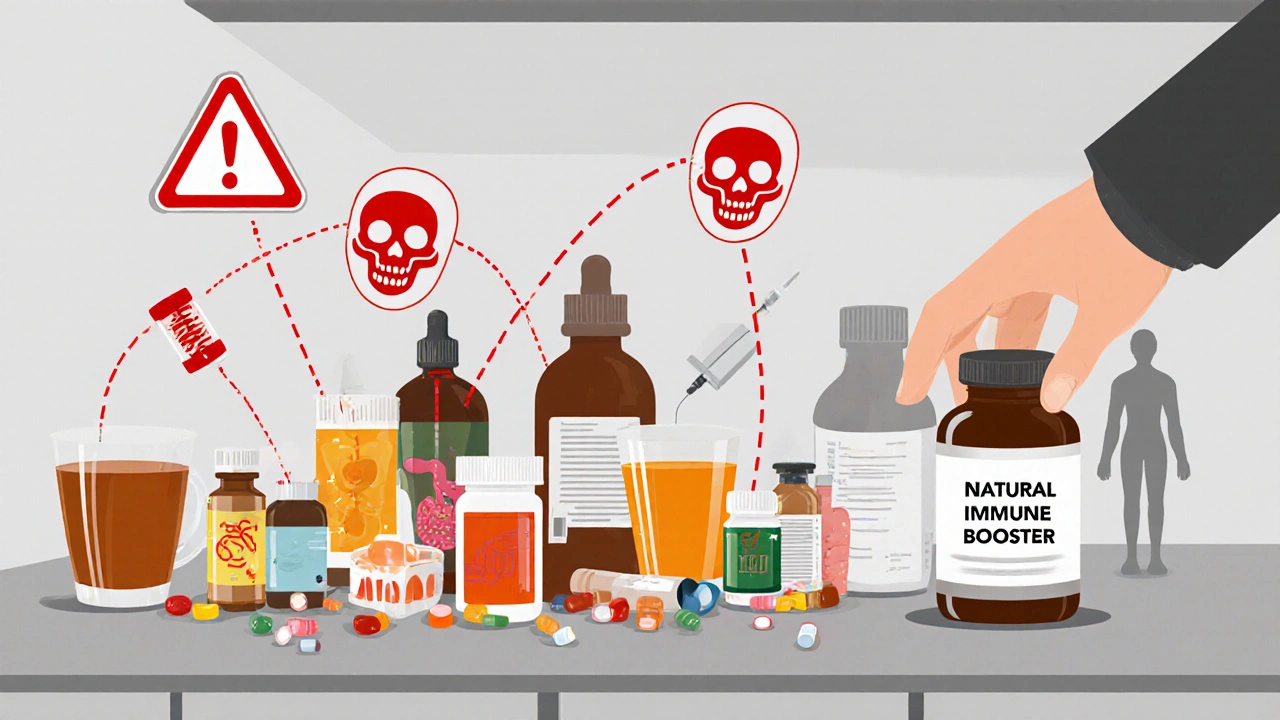
Dietary supplements and medications carry hidden risks that many people ignore. From dangerous drug interactions to toxic overdoses, the belief that 'natural' means safe can lead to serious harm. Learn what supplements really do to your body and how to protect yourself.
Read More