
When you pick up a generic pill, you might wonder: bioequivalence, the scientific proof that a generic drug performs the same way in the body as its brand-name counterpart. Also known as therapeutic equivalence, it’s the invisible guarantee that your cheaper prescription will do exactly what the expensive one was designed to do. This isn’t just a technical term—it’s the reason your pharmacist can swap out brand-name drugs without asking your doctor. If two drugs are bioequivalent, they release the same amount of active ingredient at the same speed. That means your blood levels stay steady, your condition stays controlled, and you don’t risk side effects from inconsistent dosing.
How do they prove this? Through strict testing. Companies run studies where volunteers take both the brand and generic versions. Then they measure how much of the drug enters the bloodstream and how fast it gets there. The results must fall within a narrow range—usually 80% to 125% of the brand’s performance. If it’s outside that range, the FDA won’t approve it. That’s why you can trust the FDA Orange Book, the official government list that rates generic drugs by their therapeutic equivalence to brand names. It tells you which generics are rated AB—meaning they’re interchangeable. Skip the ones without that rating. And don’t assume all generics are the same. Some may have different fillers or coatings that affect how quickly they dissolve, even if the active ingredient matches.
What happens when bioequivalence isn’t met? For most people, nothing noticeable. But for drugs with a narrow therapeutic index—like warfarin, levothyroxine, or seizure meds—even small differences can cause problems. A patient switching from one generic to another might see their INR levels swing or their thyroid numbers drop. That’s why doctors sometimes stick to one brand or generic. It’s not about preference—it’s about stability. And that’s why drug absorption, how quickly and completely a medicine enters your bloodstream matters so much. It’s not just about what’s in the pill, but how your body handles it. Food, stomach acid, even the time of day you take it can change absorption. That’s why posts here cover timing tips for levothyroxine, interactions with supplements, and how to verify your generic’s real performance.
You’ll find real-world examples in the posts below: how to use the FDA Orange Book to check your prescription, why some people react differently to generics, and what hidden factors affect whether a generic truly works like the brand. Whether you’re managing blood pressure, thyroid issues, or chronic pain, knowing what bioequivalence means helps you ask the right questions and avoid unnecessary risks. This isn’t just about saving money—it’s about making sure your treatment stays reliable, no matter the price tag.
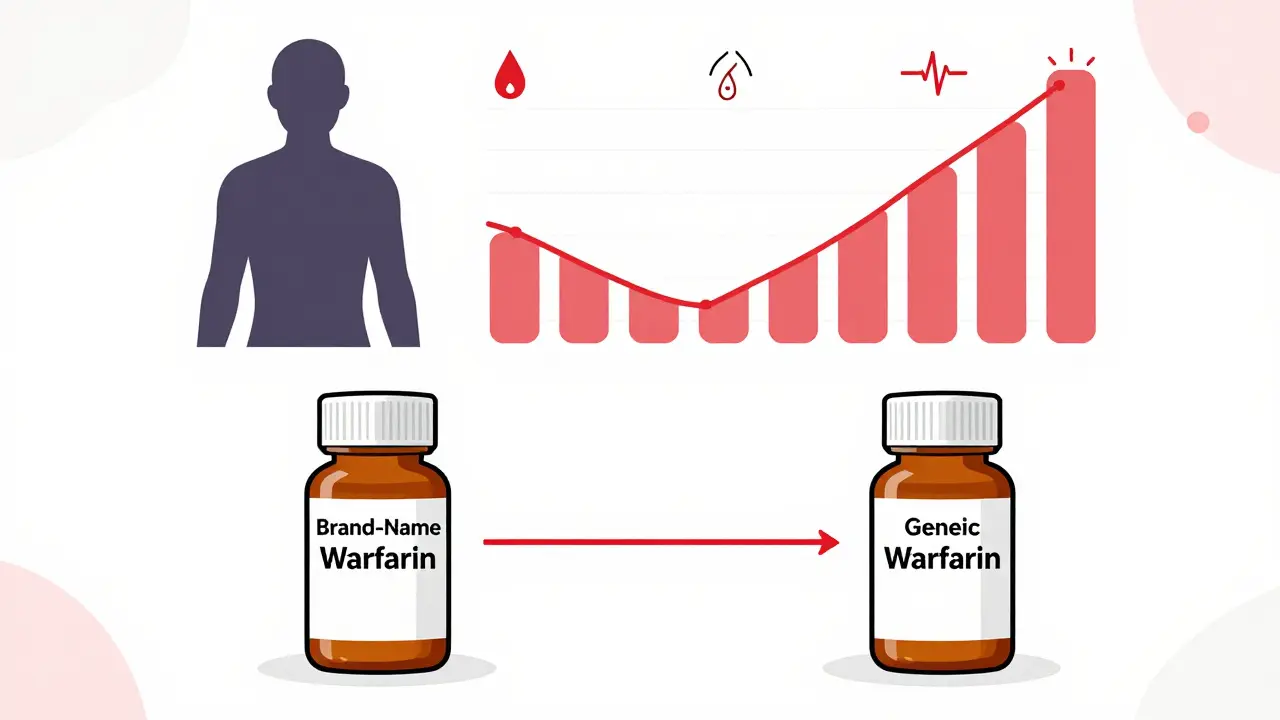
NTI generics require strict regulatory oversight due to their narrow safety margin. This article compares how the U.S., EU, Canada, and Japan regulate these high-risk drugs, and why global consistency still lags behind patient needs.
Read More
While most people tolerate generic medications without issue, some experience adverse reactions due to differences in inactive ingredients and absorption rates-especially with narrow therapeutic index drugs like levothyroxine and warfarin.
Read More