
Opioid Risk Stratification Calculator
Opioid Risk Tool (ORT)
This tool helps determine your risk level for opioid treatment monitoring based on five key questions. Risk stratification guides appropriate frequency of urine drug screens and other safety measures.
Risk Levels Explained
The Opioid Risk Tool (ORT) helps doctors determine how frequently urine drug screens should be done based on your risk level. This isn't about punishment—it's about safety and proper care.
Your Risk Assessment
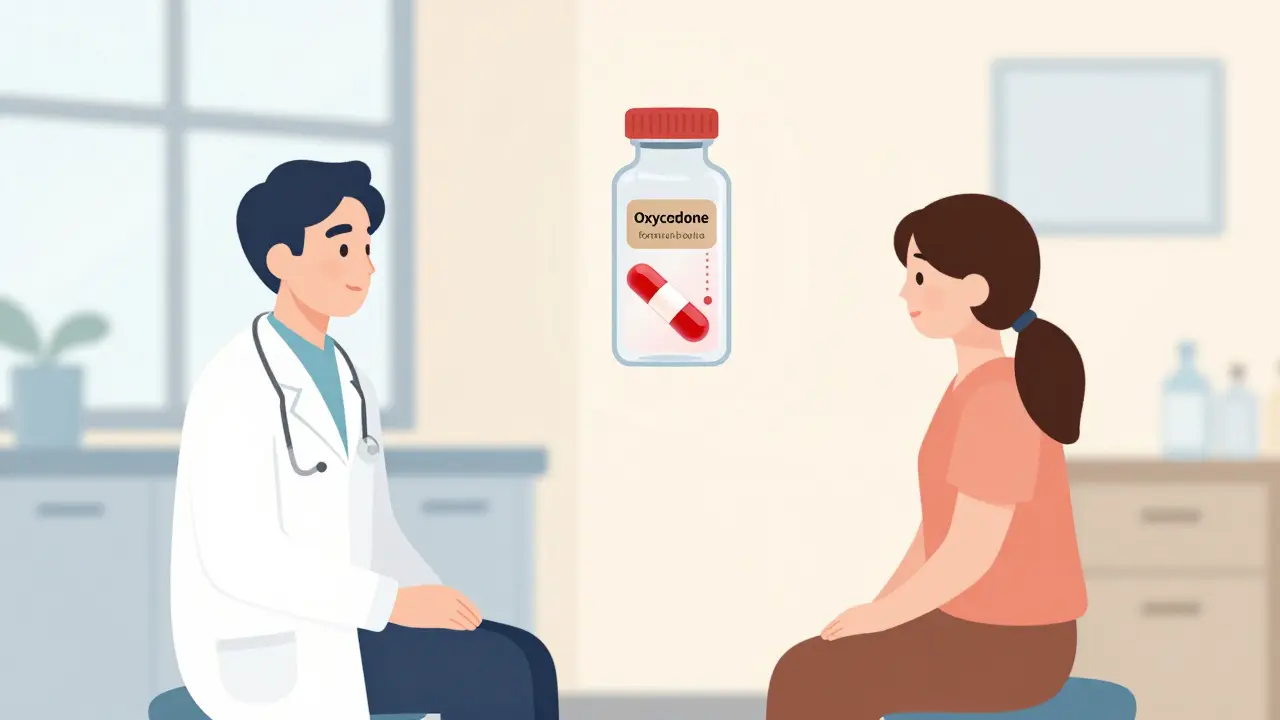
When someone is prescribed opioids for chronic pain, the goal is simple: manage pain safely. But the reality is messy. Many patients take their meds exactly as directed. Others don’t. And some are using drugs that weren’t prescribed at all-drugs that can kill. That’s where urine drug screens come in. Not to punish, not to distrust, but to protect.
Why Urine Tests Are Used in Opioid Treatment
Urine drug testing isn’t about catching people doing something wrong. It’s about knowing what’s really going on inside a patient’s body. Prescribed opioids like oxycodone, hydrocodone, or fentanyl patches are meant to help. But if someone is also using heroin, cocaine, or benzodiazepines without telling their doctor, the risk of overdose jumps dramatically. In 2021, over 80,000 of the 107,000 drug overdose deaths in the U.S. involved opioids. Many of those deaths happened because people mixed prescribed meds with other substances they didn’t disclose. The Centers for Disease Control and Prevention (CDC) and the American Society of Addiction Medicine (ASAM) both say urine testing should be part of standard care for anyone on long-term opioid therapy. It’s not optional. It’s a safety check. Think of it like a blood pressure monitor for your medication use. If you’re on blood pressure pills, your doctor checks your pressure regularly. Same idea here.How Urine Tests Work: Screening vs. Confirmation
Not all urine tests are created equal. There are two main types: screening and confirmation. Screening tests-usually immunoassays like EMIT-are fast and cheap. They cost about $5 per test and give results in hours. But they’re sloppy. They can say you’re positive for opioids when you’re not. Why? Because over-the-counter meds like ibuprofen, cold pills, or even poppy seeds can trigger false positives. And they miss things. Hydrocodone? Often invisible. Fentanyl? Almost never detected on standard panels. A 2017 ASAM study found that 72% of patients who tested negative for opiates on a standard screen actually had hydrocodone in their system. That’s where confirmation tests come in. Gas Chromatography/Mass Spectrometry (GC/MS) and Liquid Chromatography/Mass Spectrometry (LC-MS) are the gold standard. These tests can identify exact drugs and their metabolites. They cost $25 to $100 per test. Medicare pays between $20 and $108 depending on the test. They’re slower-days instead of hours-but they don’t lie. If fentanyl is in the urine, LC-MS will find it. If someone says they took oxycodone and the screen says nothing, a confirmation test tells the truth.What Gets Missed-and Why It Matters
Some drugs are sneaky. They don’t show up on routine screens because their chemical structure doesn’t match what the test is looking for. Fentanyl is the biggest problem. Standard opiate panels are built to detect morphine, codeine, and heroin. Fentanyl? It’s synthetic. It doesn’t look like any of those. Until 2023, most labs couldn’t detect it. Now, the FDA approved the first fentanyl-specific immunoassay with 98.7% sensitivity. But most clinics still use old panels. That means patients on fentanyl patches or lozenges are being told they’re “clean” when they’re not. Hydrocodone is another ghost. Many patients take it for back pain. But standard opiate screens don’t pick it up. Instead, they look for morphine. Hydrocodone breaks down into hydromorphone, which isn’t always targeted. So a patient who’s taking their meds exactly as prescribed can still get flagged as non-adherent. A 2022 survey of 1,247 pain doctors found that 68% saw false-negative hydrocodone results at least once a month. Patients get angry. Some stop taking their meds. Some get cut off. All because the test didn’t work right.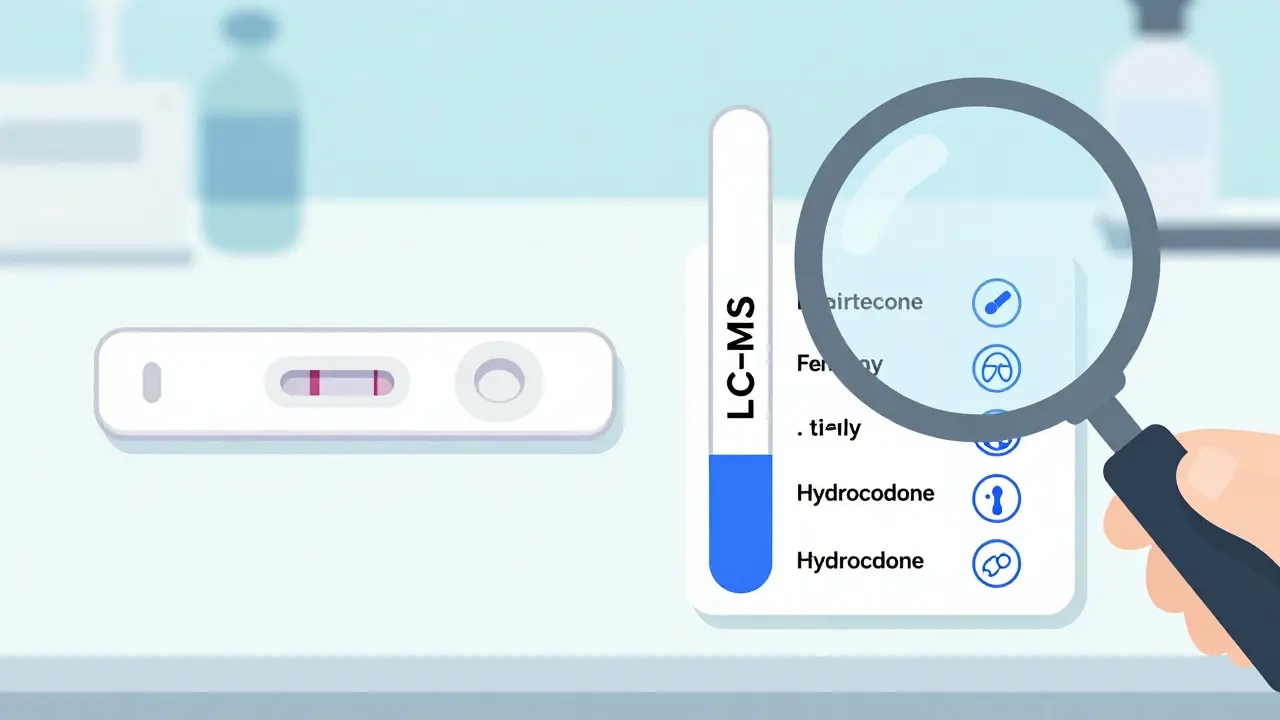
How Risk Stratification Changes Everything
Not every patient needs the same level of monitoring. That’s where the Opioid Risk Tool (ORT) comes in. It’s a five-question checklist doctors use to rate risk: low, moderate, or high. - Low-risk patients: Annual urine test. Maybe no testing at all if they’ve been stable for years. - Moderate-risk: Every six months. Check for new substances, changes in behavior. - High-risk: Every three months. Plus specimen validity checks-making sure the urine isn’t diluted, substituted, or tampered with. The CDC, ASAM, and AMA all support this tiered approach. Why? Because universal testing doesn’t work. It’s expensive. It frustrates patients who are following the rules. And it doesn’t prevent overdoses. Targeted testing does. If someone has a history of substance use disorder, or is taking high doses of opioids, they need more frequent checks. If they’ve been clean for five years and have no red flags? Less is more.What the Test Can and Can’t Tell You
There’s a dangerous myth: that urine tests can tell how much of a drug someone took. They can’t. A high level of oxycodone doesn’t mean someone is abusing it. It could mean they metabolize it slowly. A low level doesn’t mean they skipped a dose. Maybe they drank a lot of water before the test. Or their body cleared it faster than average. Quantitative testing-measuring exact amounts-is rarely useful for monitoring adherence. It’s expensive. It’s misleading. It leads to bad decisions. The only thing that matters is: Did you take what you were supposed to? And are you using anything you weren’t supposed to? Specimen validity checks are critical. If creatinine is below 20 mg/dL, the urine is too diluted-likely from someone trying to flush their system. If pH is under 4.5 or over 9.0, someone added bleach or vinegar. If specific gravity is too low, they might have used someone else’s urine. These checks are built into most modern tests. But not all clinics do them. That’s a problem.Real-World Challenges and Patient Stories
Clinicians aren’t the only ones struggling. Patients are too. One Reddit user, ChronicPainWarrior22, wrote: “I took my oxycodone every day. Got tested. Said I didn’t have it in my system. They threatened to cut me off. I cried. I had no proof. No receipts. No pharmacy logs.” That’s not rare. A 2021 study in the Journal of Addiction Medicine found that 23% of patients on buprenorphine for opioid use disorder were wrongly punished because of cross-reactivity in urine screens. Their meds didn’t show up. They were accused of relapse. They weren’t. Doctors are learning. Some now order confirmatory tests when a screen looks odd. Others use fentanyl-specific panels. Some clinics now require both a screening and a confirmation test for high-risk patients. But many still rely on outdated panels. The gap between science and practice is wide.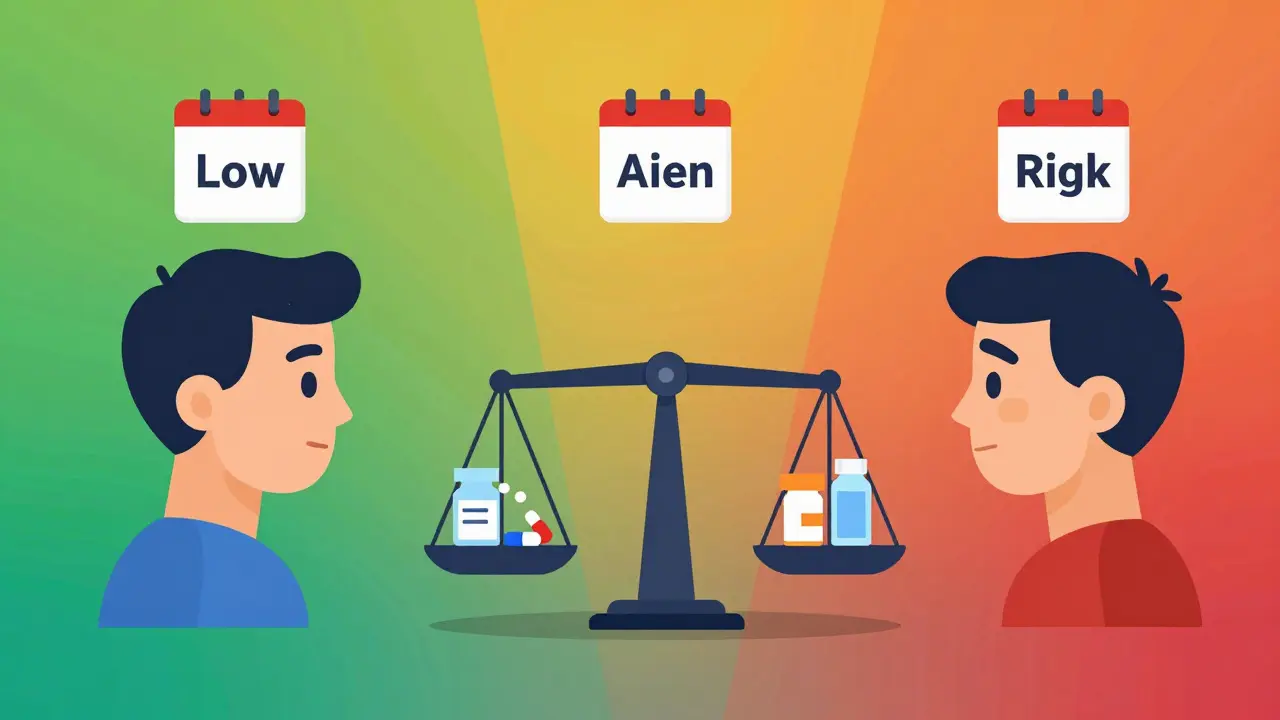
Where the Industry Is Headed
The urine drug testing market hit $3.1 billion in 2022 and is expected to grow over 9% a year through 2030. Thirty-eight states now legally require testing for patients on high-dose opioids. Medicare processed nearly 39 million tests in 2022. New tools are coming. FDA-cleared point-of-care devices are in review. These could give lab-quality results in 15 minutes at the clinic. AI systems like the University of Pittsburgh’s Opioid Adherence Prediction Engine are being tested to predict who’s likely to misuse based on behavior, history, and past test patterns. But the biggest shift is cultural. Testing isn’t about control. It’s about care. The goal isn’t to catch people. It’s to keep them alive.What Patients Should Know
If you’re on long-term opioids:- Urine tests are normal. They’re not a sign your doctor doesn’t trust you.
- If your test says you didn’t take your med but you did, ask for a confirmatory test.
- Ask if they test for fentanyl and hydrocodone specifically.
- Don’t use other drugs without telling your doctor. Even if you think it’s “just weed” or “just a Xanax for anxiety.”
- Drink normally before the test. Don’t chug water to “flush” your system. It makes the test useless.
What Clinicians Should Do
- Use the Opioid Risk Tool to stratify patients. Don’t test everyone the same.
- Use fentanyl-specific and hydrocodone-specific panels. Don’t rely on outdated opiate screens.
- Always run specimen validity checks. Diluted urine means nothing.
- Confirm negative results with GC/MS or LC-MS if there’s doubt.
- Train your staff. Misinterpretation is the #1 cause of errors.
Monitoring opioid therapy isn’t about policing. It’s about precision. The right test, at the right time, for the right person. That’s how you save lives.