
Quick Summary
- Drinking 500ml of water can boost your metabolic rate by 24-30% for roughly 40 minutes.
- Consuming 1.5 liters of water 30 minutes before meals leads to significant reductions in calorie intake.
- Substituting diet beverages with plain water results in greater long-term weight loss than sticking with artificial sweeteners.
- Consistent hydration supports lipolysis (fat breakdown) and helps regulate appetite hormones.
- Effective protocols require minimal habit changes but offer cost-free, sustainable weight management support.
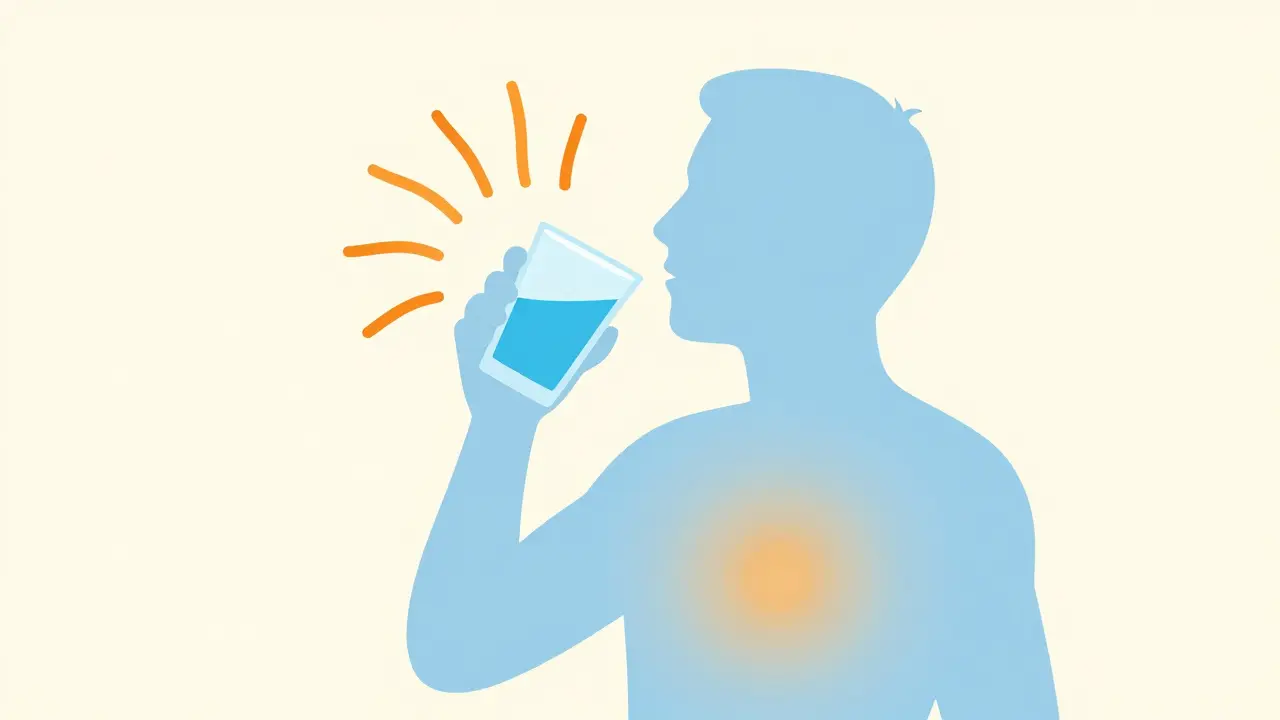
Many people think drinking water is just about quenching thirst, but the link between hydration and body composition goes far deeper than simple fluid balance. You might assume that swapping soda for water saves you calories, which is true, but research shows something more profound is happening inside your body. When you drink water, especially cold water, your body actually burns energy to heat it up to body temperature. This process creates a measurable metabolic shift that supports fat loss efforts directly. It isn't a miracle cure, but the science backing this is solid enough to change how we approach daily nutrition.
Water-Induced Thermogenesis is the scientific term for this metabolic spike. A study published in the Journal of Clinical Endocrinology & Metabolism demonstrated that consuming just 500ml of water increases metabolic rate by about 24-30% for 30 to 40 minutes. That translates to burning approximately 23 extra kilocalories per liter consumed. While 23 calories doesn't sound like much, consistency matters. If you spread this effect throughout the day, it accumulates. More importantly, this happens without you lifting a single weight.
The Appetite Connection
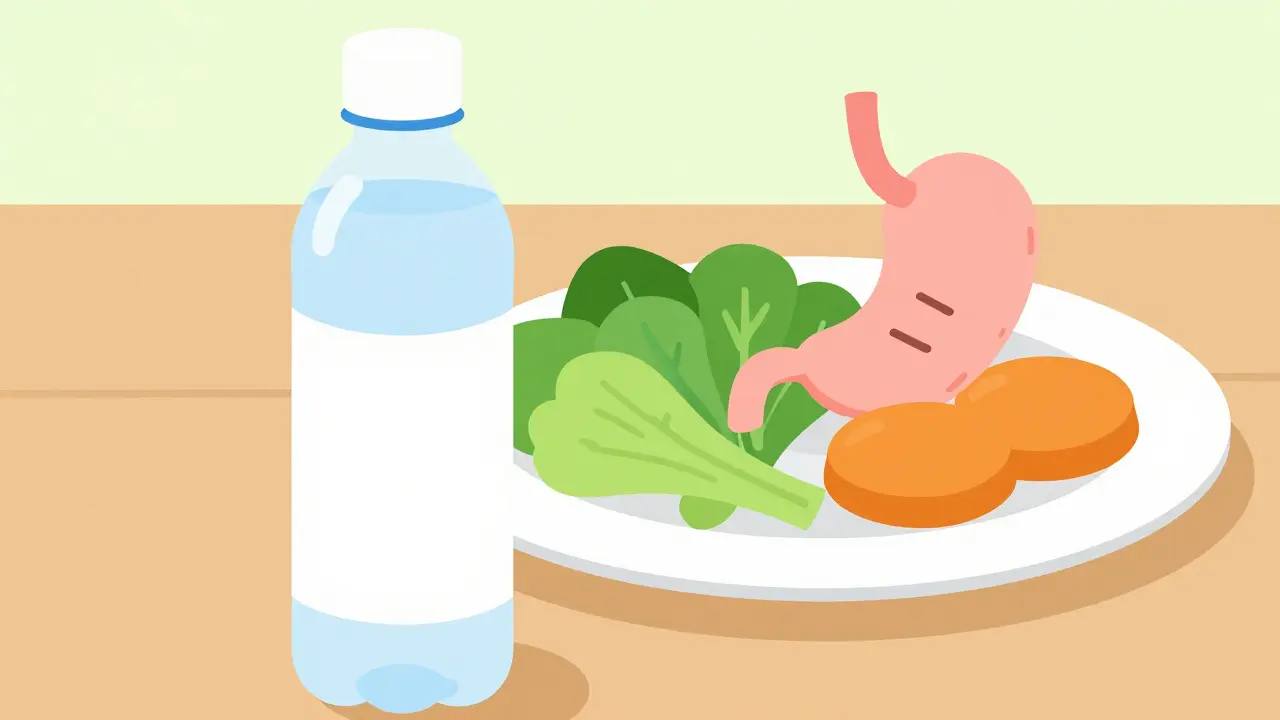
Your stomach has receptors that tell your brain when it is full, and water triggers these signals just like food does. Imagine drinking two 8-ounce glasses of water right before sitting down for lunch. Research from Johns Hopkins University found that participants did exactly this and ended up eating 22% less food during that meal. That is roughly 111 fewer calories per meal compared to someone who didn't drink water beforehand.
This mechanism relies on gastric distension. When the stomach stretches slightly, it sends satiety signals to the brain within 15 to 20 minutes. By pre-loading on zero-calorie liquid, you reduce the physical space available for high-calorie foods. A randomized trial involving overweight women showed that drinking 1.5 liters of water daily reduced hunger scores significantly. Over 12 weeks, they lost an average of 1.85kg more than those who didn't follow the protocol. This isn't just about filling space; it is about manipulating the hunger cues your body sends you.
Water Versus Diet Beverages
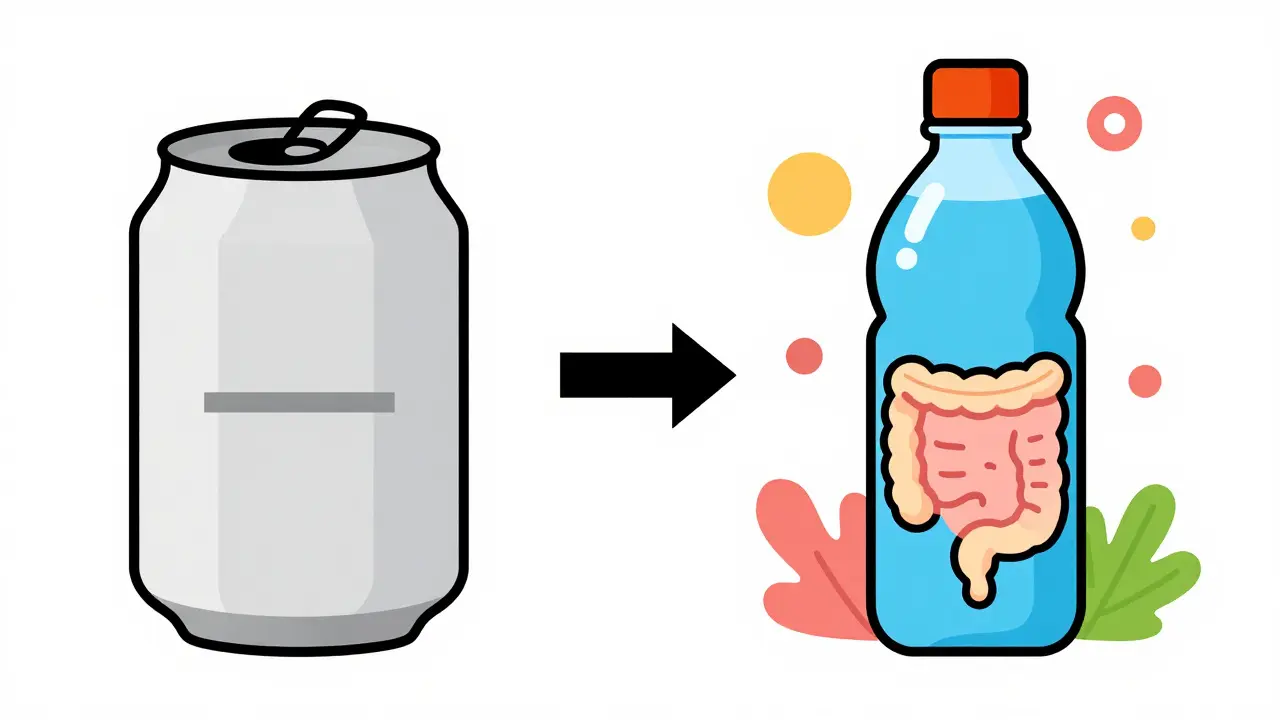
There is a common belief that sugar-free drinks are the safest bet for weight loss since they contain zero calories. However, recent clinical evidence challenges this assumption. At the 85th Scientific Sessions of the American Diabetes Association in 2023, researchers presented findings from an 18-month study comparing water drinkers to diet beverage drinkers. The water group lost significantly more weight (-6.82 kg versus -4.85 kg) and saw higher rates of diabetes remission.
This distinction is critical because artificial sweeteners may disrupt gut microbiota and insulin response. Even though they lack calories, they can confuse the body's expectation of incoming energy. Dr. Hamid R. Farshchi, who analyzed this data, noted that diet drinks can have negative effects on managing blood sugar despite their zero-calorie composition. Replacing a diet soda with plain water provides a cleaner physiological environment for metabolism to function efficiently.
| Beverage Type | Average Weight Loss | Impact on Blood Sugar | Gut Health Effect |
|---|---|---|---|
| Plain Water (Daily Substitution) | -6.82 kg (18 months) | Improves regulation | No disruption |
| Diet Beverages (Continued) | -4.85 kg (18 months) | Potential negative effects | May alter microbiota |
| Sugary Soft Drinks | Weight gain risk | Increases spikes | Negative impact |
Optimizing Hydration Timing
When you drink matters just as much as how much you consume. Studies indicate that the most effective window is 30 minutes before major meals. This timing aligns with the body's natural prep phase for digestion. Consuming 1.5 liters of water daily spread across pre-meal windows produced 44% to 100% greater weight loss compared to controls in a 2024 JAMA Network Open analysis. The visual analogue scale measurements showed appetite suppression of nearly 13% compared to baseline when using this specific timing.
You do not need complex tracking apps to start. The learning curve for this strategy is minimal. Most people achieve compliance within 2-4 weeks. Initial discomfort from increased fluid volume often occurs in the first week but typically resolves quickly. To build the habit, link it to an existing action, like waiting for coffee to brew or parking your car before entering work.
Metabolic Pathways and Hormonal Response
Beyond simple appetite signals, hydration influences hormonal pathways. Dr. Melinda Manore, a professor of nutrition, highlighted that mild dehydration decreases lipolysis. Lipolysis is the process where stored fat cells break down to release fatty acids into the bloodstream. If you are slightly dehydrated, this process slows down due to hormonal changes involving the renin-angiotensin system. Rodent studies confirmed that increasing water intake by 30% to 100% consistently produced weight loss through both decreased feeding behavior and increased lipolysis. While human trials are more complex, the direction of the data suggests that staying hydrated keeps your fat-burning machinery active.
This biological reality means that hydration is not passive. Your kidneys also rely on adequate fluid levels to filter waste products released during fat metabolism. Without sufficient water, the liver cannot process fats effectively, placing extra strain on the kidneys. Therefore, adequate fluid intake supports the entire detoxification process associated with shedding body mass.
Practical Protocols for Implementation
To see these results, you need specific volumes. General advice often says "drink eight glasses," which is vague. For weight management benefits, aim for an additional 1.5 liters beyond your baseline consumption. This brings your total intake to roughly 0.5-1 ounce per pound of body weight for active individuals, a recommendation supported by the American Council on Exercise. Keep a visible bottle on your desk. If you forget, set phone reminders for breakfast, lunch, and dinner prep times.
Common pitfalls include expecting rapid, drastic changes alone. Water intervention typically adds 1-2kg of weight loss over 3-12 months compared to standard diets. It is most effective as an adjunct therapy rather than a standalone solution. Think of it as removing a barrier to weight loss rather than adding a magical engine. Consistency yields better outcomes than sporadic massive intake.
Frequently Asked Questions
Can drinking too much water cause weight gain?
No, water itself has no calories. However, extreme overconsumption can lead to temporary water retention while balancing electrolytes, but this does not equate to fat storage. In rare cases, excessive water can cause hyponatremia, so listen to your body's thirst cues alongside structured drinking.
Is cold water better for weight loss than warm water?
Cold water requires more energy for your body to warm to internal temperature, potentially enhancing the thermogenic effect slightly. However, room temperature water is still highly effective for appetite suppression and hydration balance.
Does caffeine affect water absorption for weight loss?
Caffeine has a mild diuretic effect, but habitual consumption does not lead to dehydration. Coffee and tea count toward your total fluid intake, but plain water is preferred specifically for the caloric displacement and appetite signals without added stimulants.
When should I drink water to avoid bloating?
Drink large amounts slowly rather than gulping quickly. Spacing water intake throughout the day prevents acute stomach distension that can feel uncomfortable. Aim for consistent sips rather than one large volume immediately before exercise.
Do flavored waters count towards the 1.5L goal?
Only if they are sugar-free and contain no artificial sweeteners that mimic sugar cravings. Pure infused water with lemon or fruit is acceptable, but flavored bottled waters often hide sugars or additives that negate the clean metabolic benefit.