
When it comes to medication adherence, the consistent use of prescribed drugs as directed. Also known as drug compliance, it’s not just about remembering to take pills—it’s about staying on track through job loss, travel, stress, or changes in daily life. Many people stop taking their meds not because they don’t care, but because their routines fall apart. In November 2025, WellRx dug into why this happens and how to fix it—with real strategies that work when life gets messy.
Behind the scenes, generic drugs, lower-cost versions of brand-name medications approved by the FDA. Also known as off-patent drugs, they make up 90% of prescriptions but drive nearly all pharmacy profits. That’s why independent pharmacies struggle to stay open, even as patients save money. But not all generics are equal—some people react to them because of differences in inactive ingredients, especially with drugs like levothyroxine, a thyroid hormone replacement where tiny changes in absorption can cause big health shifts. If your lab numbers suddenly look off after switching brands, it might not be your body—it’s the filler.
Then there’s the quiet crisis of statin intolerance, when patients can’t tolerate cholesterol-lowering drugs due to muscle pain or other side effects. Also known as statin-associated muscle symptoms, it pushes many to quit life-saving treatment. But clinics are now using rechallenge protocols, intermittent dosing, and switching statins to get people back on track. And for kids? The old assumption that liquids are always better is fading. More children are learning to swallow tablets safely—thanks to new training methods and formulations designed for their needs. Meanwhile, alcohol can spike INR levels in people on warfarin, and supplements labeled "natural" aren’t always safe when mixed with prescriptions. Even vegans need to check their pills: gelatin, lanolin, and magnesium stearate hide in plain sight.
This collection isn’t about theory. It’s about what people actually deal with: refilling meds while traveling, talking to five different doctors about the same pills, understanding why Ciprodex isn’t always the best ear drop, and how the FDA uses pediatric exclusivity to delay generics without touching patents. You’ll find clear, no-fluff advice on simplifying daily pill routines, avoiding dangerous interactions, and making sense of lab tests when you’re on statins. No jargon. No hype. Just what works when your life doesn’t wait for your next appointment.
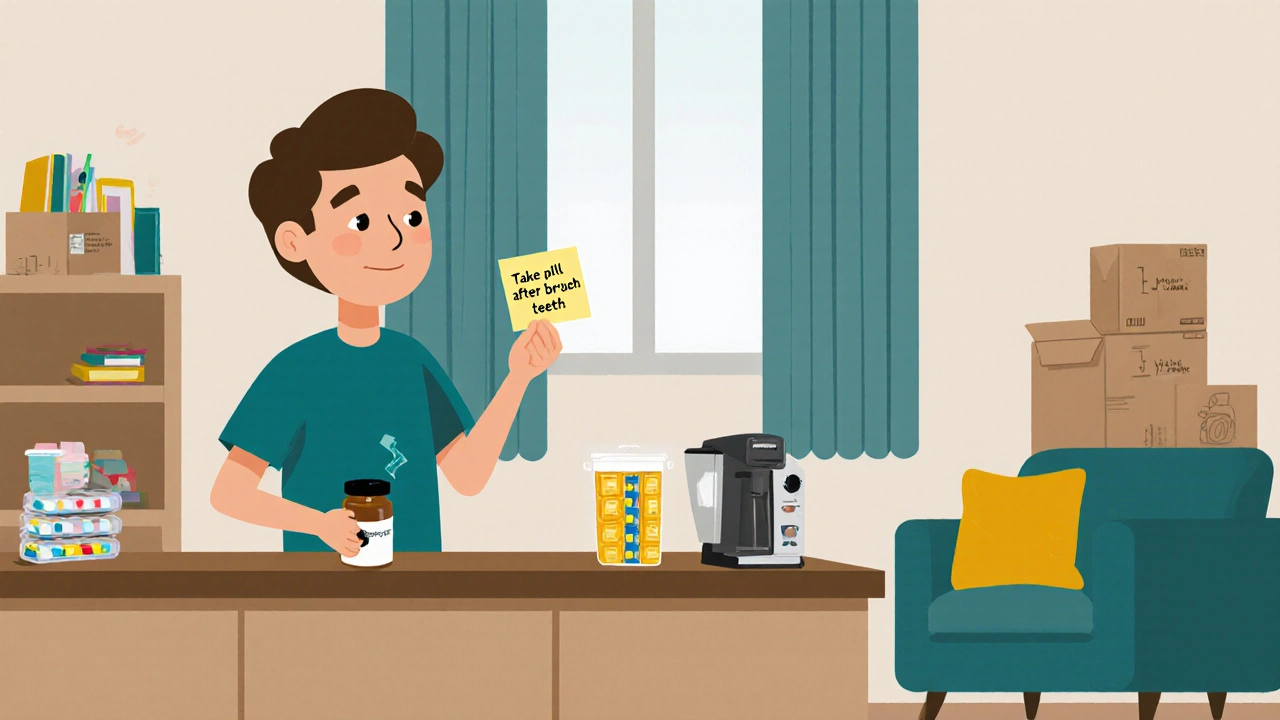
Learn how to maintain medication adherence during life transitions and stress with practical, evidence-based strategies that focus on flexible routines, social support, and psychological resilience - not just reminders.
Read More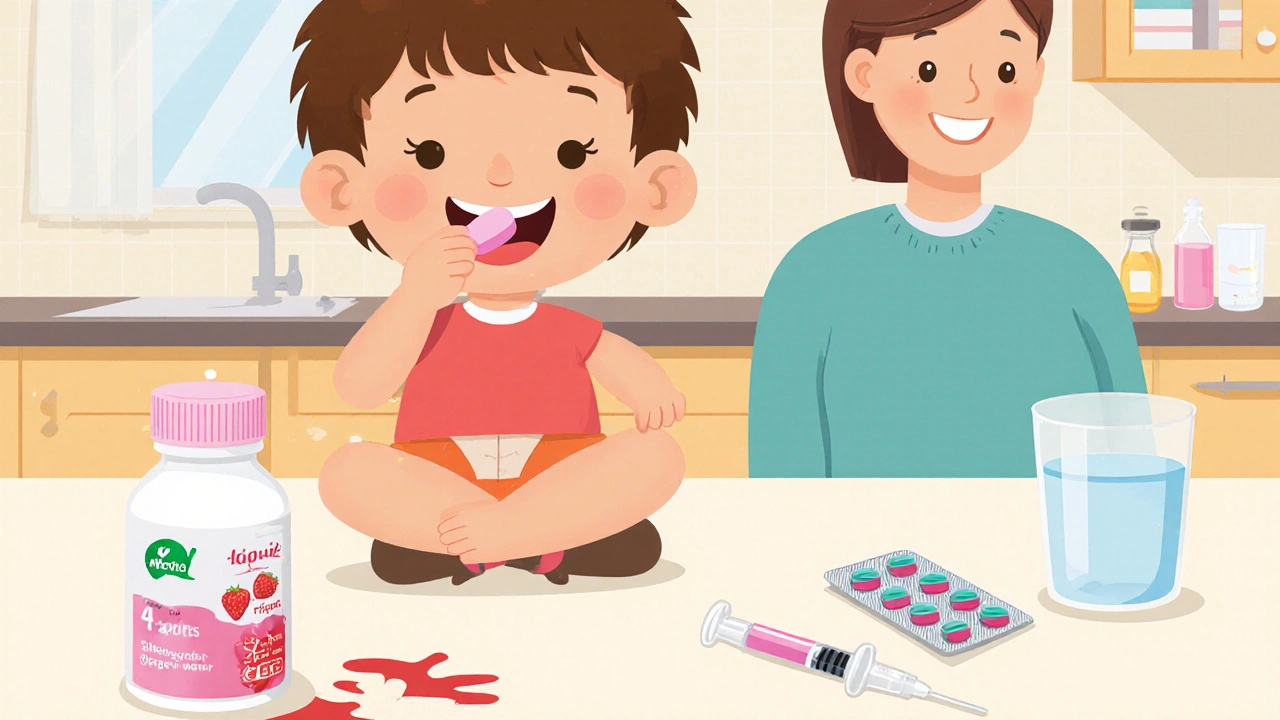
Choosing between liquid and tablet medications for children isn't just about preference-it's about safety, accuracy, and long-term adherence. Discover when tablets are better, how to train your child to swallow them, and why outdated assumptions are changing pediatric care.
Read More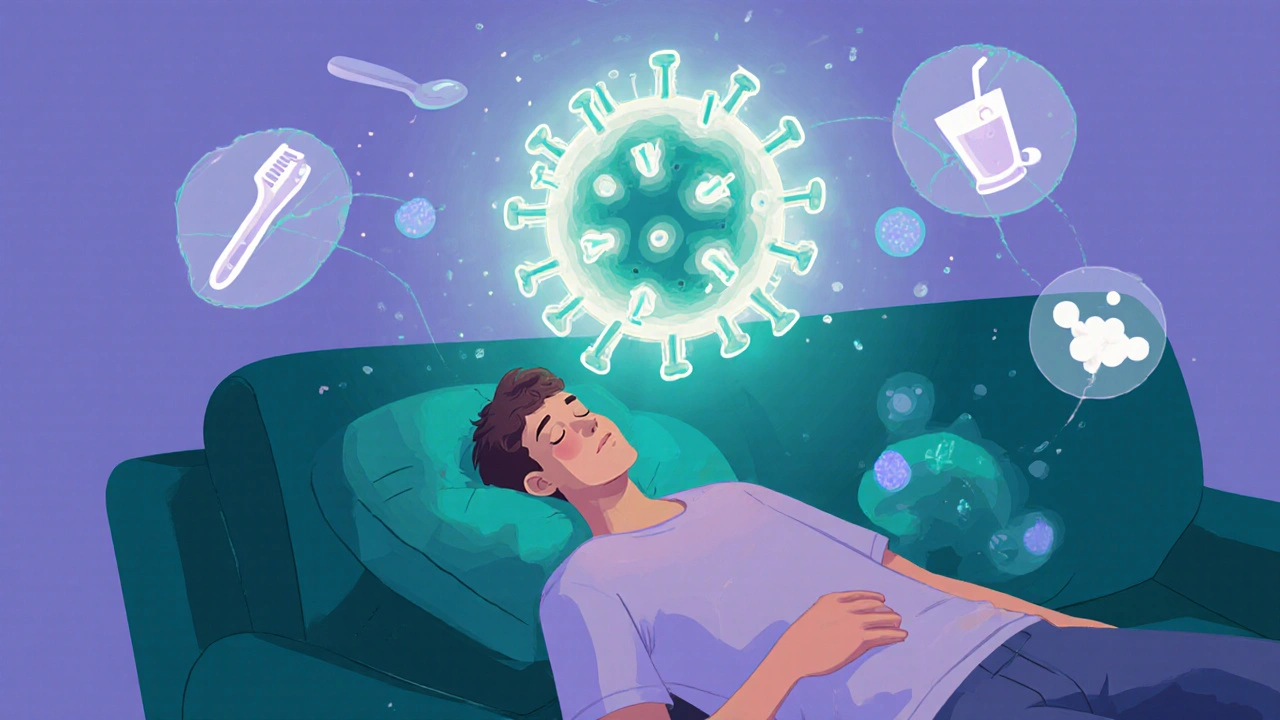
Mononucleosis, caused by the Epstein-Barr virus, leads to severe fatigue and prolonged recovery. Learn how it spreads, why rest matters more than medicine, and how to safely return to daily life without risking complications.
Read More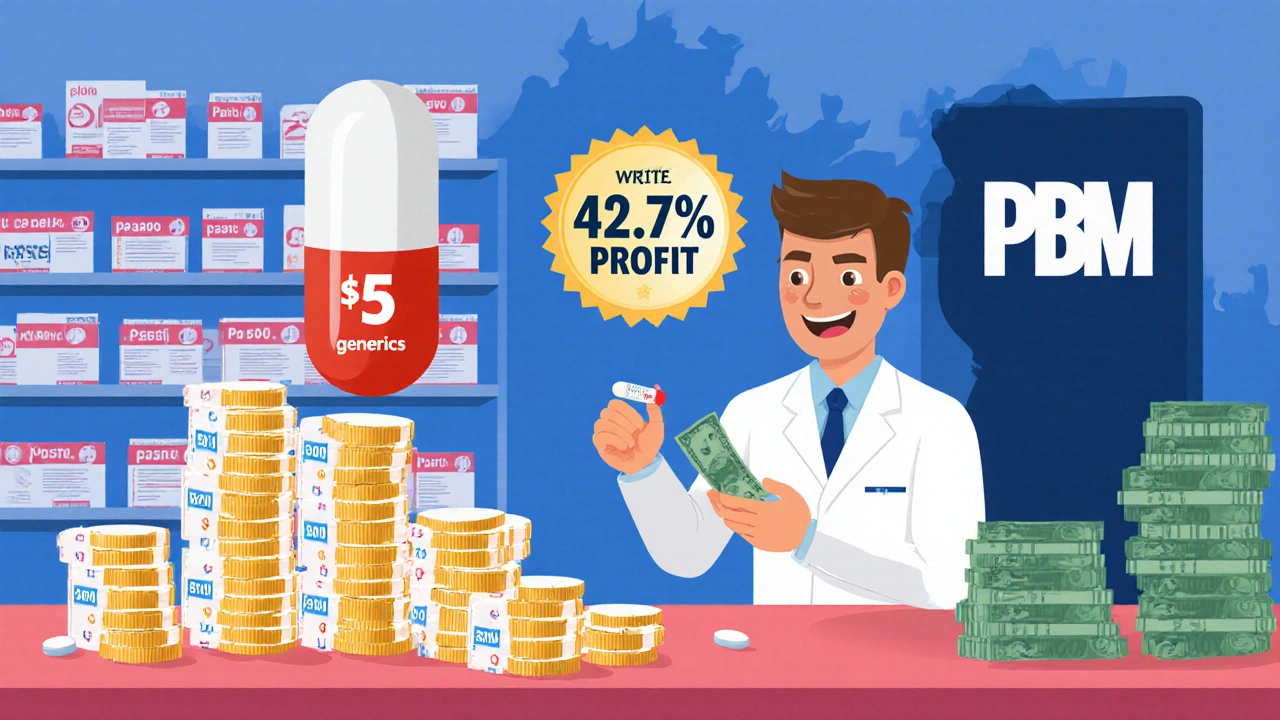
Generics make up 90% of prescriptions but only 25% of drug spending-yet they generate 96% of pharmacy profits. This is how the math works, why independent pharmacies are closing, and who really benefits.
Read More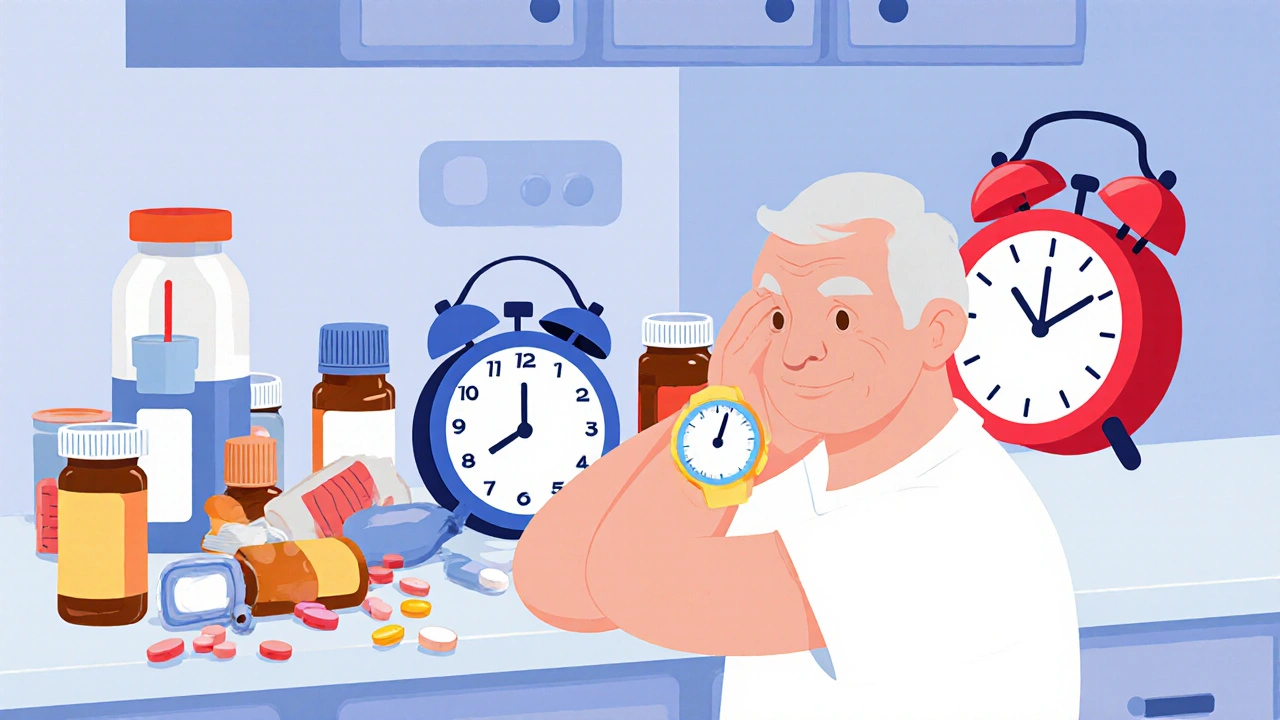
Simplify complex medication regimens by reducing daily doses with proven strategies like fixed-dose combinations, once-daily formulations, and compliance packaging. Boost adherence without compromising health.
Read More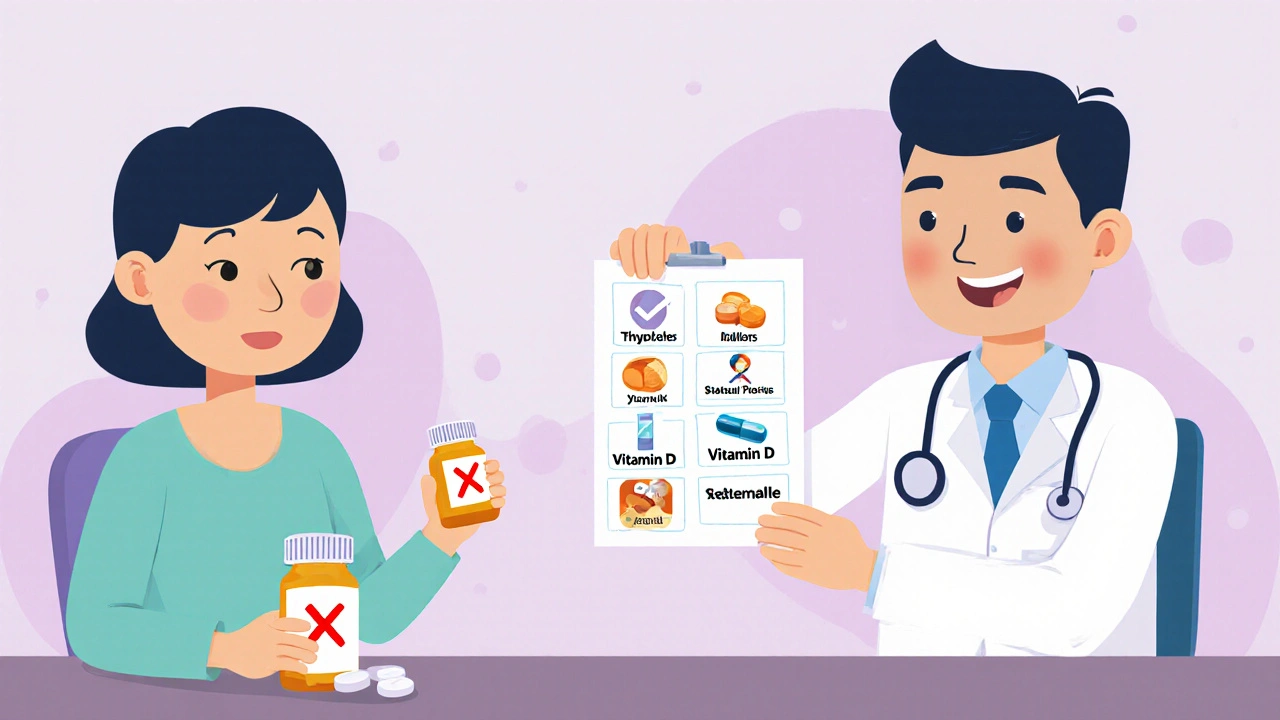
Statin intolerance clinics use structured protocols to help patients who experience muscle side effects from cholesterol drugs. Learn how rechallenge, switching statins, and intermittent dosing can get you back on life-saving therapy.
Read More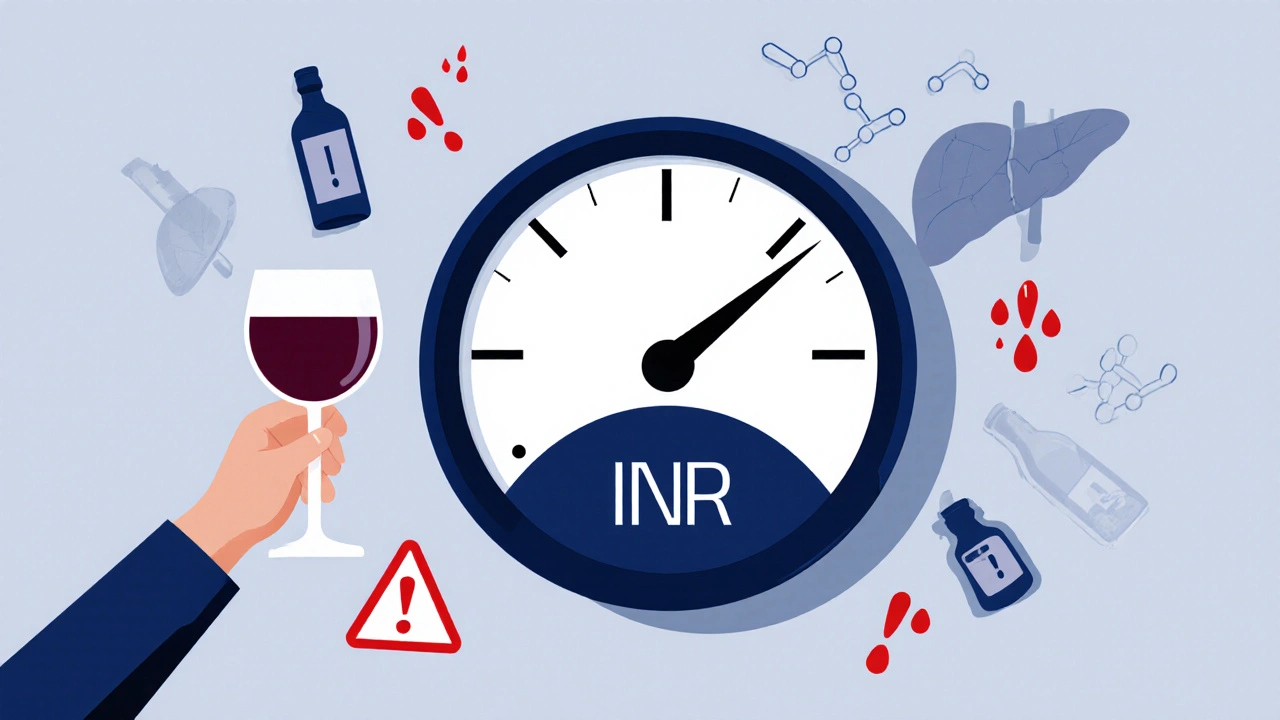
Alcohol can cause dangerous spikes in INR levels for people on warfarin, increasing bleeding risk significantly. Learn how drinking affects blood thinners, what limits are safe, and what symptoms to watch for.
Read More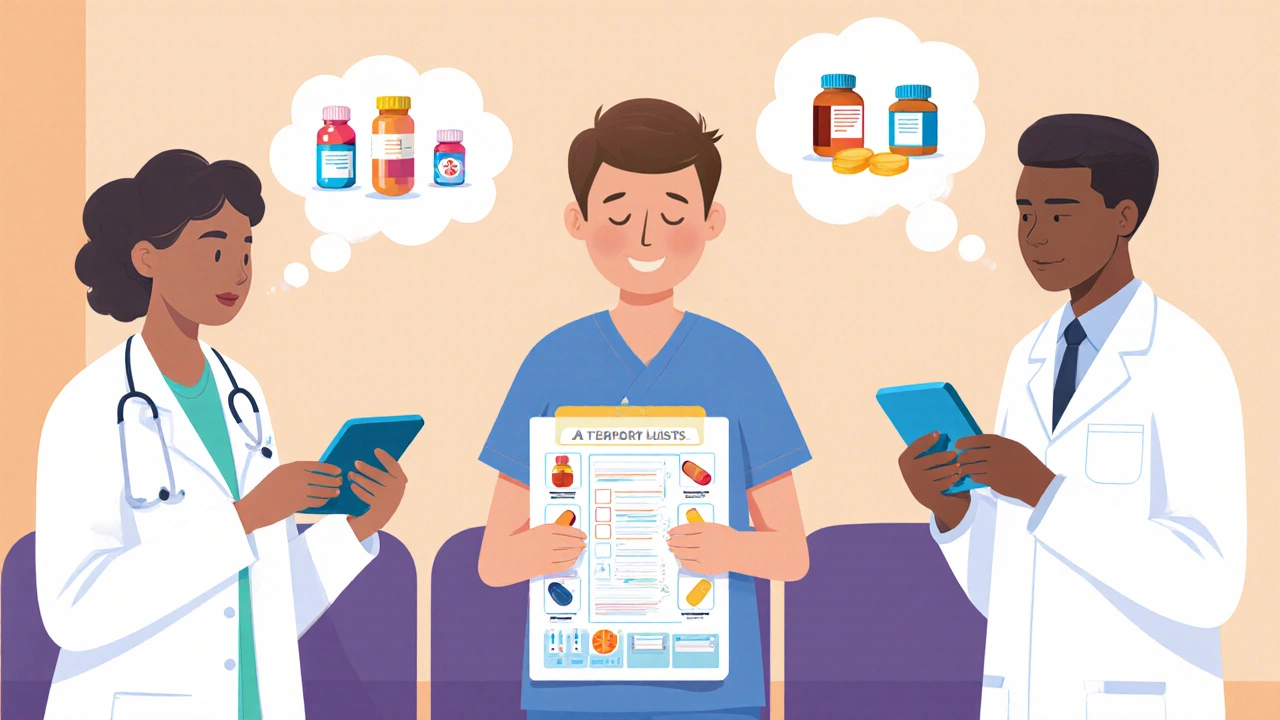
Learn how to prevent dangerous drug interactions by communicating clearly with multiple healthcare providers. Get practical steps to organize your meds, ask the right questions, and get your team on the same page.
Read More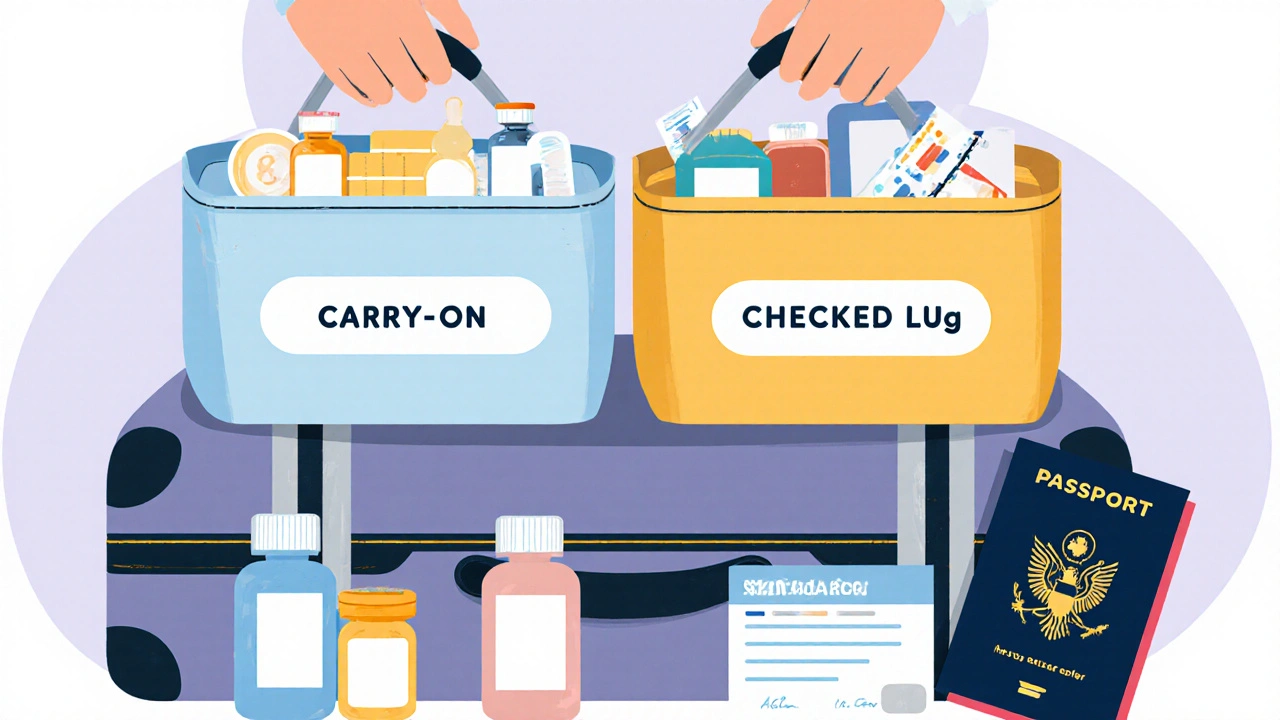
Learn how to avoid running out of medication while traveling. Get tips on early refills, international rules, packing strategies, and what to do if you lose your pills - all based on 2025 guidelines.
Read More
Pediatric exclusivity gives drug makers six extra months of market protection by blocking generic approval-not by extending patents, but by creating a regulatory barrier. It’s a powerful tool that helps kids get safer medicines.
Read More