
When working with Vitamin D, a fat‑soluble nutrient that helps the body absorb calcium and supports immune function. Also known as calciferol, it plays a crucial role in bone health, mood regulation, and disease prevention. Vitamin D isn’t a drug; it’s a nutrient our bodies make when skin meets UVB rays, and we can also get it from foods and supplements.
One of the biggest reasons people care about Vitamin D is its impact on Bone Health, the strength and density of our skeletal system. The nutrient boosts calcium absorption in the gut, which feeds bone remodeling. Without enough Vitamin D, calcium stays in the bloodstream and bones become weak, leading to conditions like rickets in kids or osteoporosis in adults. Think of Vitamin D as the master key that unlocks calcium’s benefits for your skeleton.
Beyond strong bones, Vitamin D is a major player in the Immune System, the body’s defense network against infections. Research shows that adequate levels help immune cells spot and destroy viruses and bacteria more efficiently. When levels drop, we’re more likely to catch colds, flu, or even experience a harsher course of COVID‑19. In short, Vitamin D fuels the frontline troops that keep us healthy.
How do we get enough of this nutrient? Sunlight Exposure, the process of skin absorbing ultraviolet B rays is the natural engine. About 10‑30 minutes of midday sun on arms and face a few times a week can produce the recommended amount for most people. Latitude, season, skin tone, and sunscreen use all affect how much Vitamin D your skin makes, which is why many turn to supplements when natural synthesis falls short.
Supplementation can fill the gap, but it’s not a one‑size‑fits‑all solution. Daily doses range from 400 IU for minimal needs to 4,000 IU for proven deficiencies, and some doctors prescribe higher amounts for specific conditions. The key is to match the dose to your blood level and lifestyle. Over‑supplementing can raise calcium too high, causing kidney stones or heart issues, so testing before you start is a smart move.
Speaking of testing, a simple 25‑hydroxyvitamin D blood test tells you whether you’re deficient, sufficient, or possibly excessive. Deficiency is usually defined as levels below 20 ng/mL, which correlates with higher fracture risk and weaker immunity. If you’re found low, a short‑term high‑dose regimen followed by a maintenance dose often restores balance. Monitoring every few months during correction helps avoid overshooting.
All these pieces—bone health, immunity, sunlight, supplements, and testing—interlock to shape how Vitamin D influences everyday wellness. Below you’ll find a curated set of articles that break down genetics, drug interactions, diet tips, and specific health conditions where Vitamin D matters. Dive in to see practical advice, real‑world comparisons, and the latest research that can help you make informed choices about this essential nutrient.
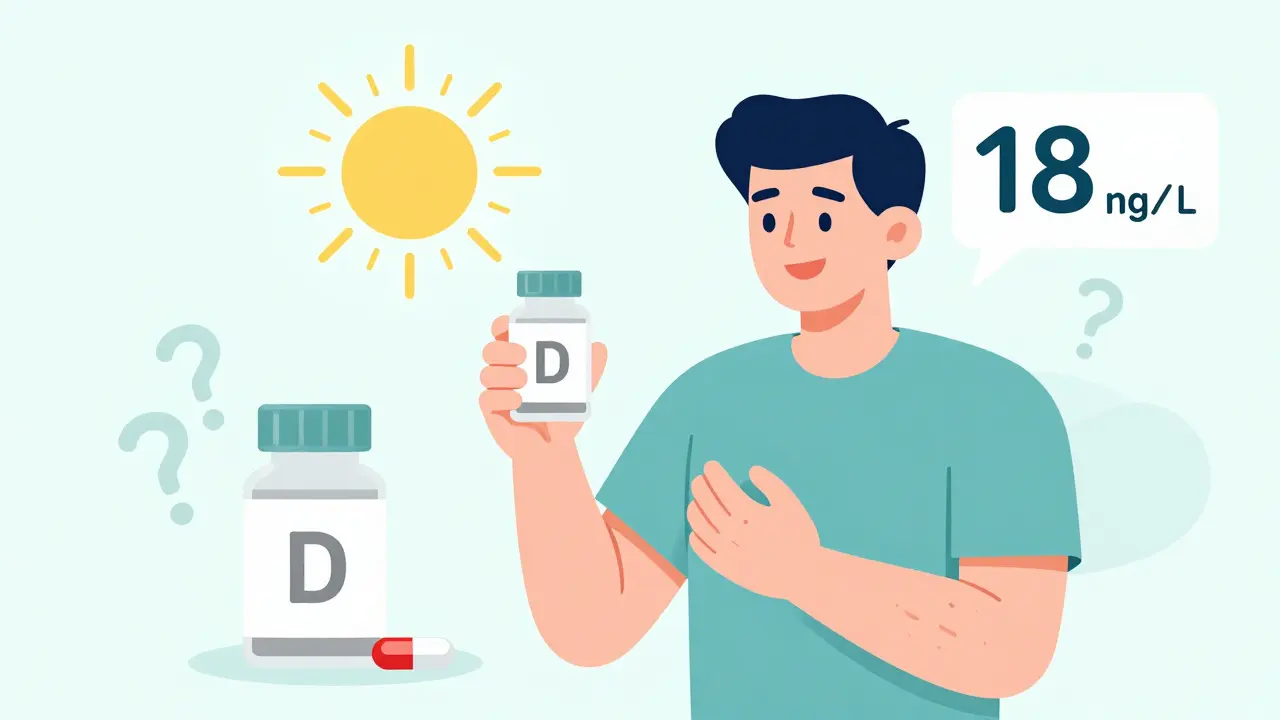
Does low vitamin D make statins harder to tolerate? Observational studies said yes. A major 2022 trial said no. Here’s what the evidence really shows-and what you should do if you’re struggling with statin muscle pain.
Read More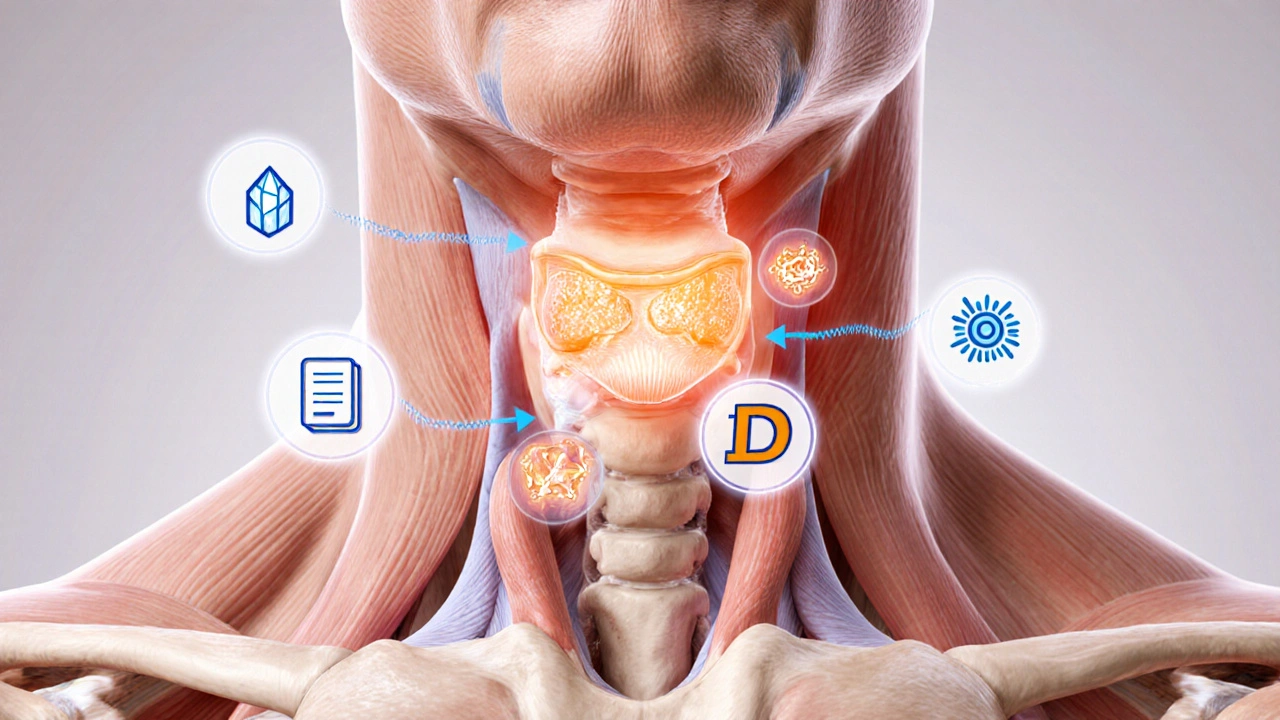
Learn how calcium and vitamin D work together to manage secondary hyperparathyroidism, with diet tips, supplement guidelines, lab monitoring and FAQs.
Read More