
Did you know your kidneys filter about 200 liters of blood every day? When that filter starts to fail, the whole body feels it. When working with Kidney Disease, a condition where the kidneys lose their ability to clean blood, balance fluids, and regulate electrolytes. Also known as renal disease, it can sneak up with subtle fatigue, swelling, or changes in urine. kidney disease isn’t a single illness; it’s an umbrella that encompasses chronic kidney disease, acute injuries, and inherited disorders. Catching it early means you can slow progression, avoid costly therapies, and keep everyday life on track.
The most common form you’ll hear about is Chronic Kidney Disease, a gradual loss of kidney function over months or years, usually staged from 1 (mild) to 5 (end‑stage). Its main drivers are high blood pressure and diabetes, and it often shows up in routine blood tests as a rise in creatinine. When CKD reaches stage 5, many patients turn to Dialysis, a mechanical process that removes waste and excess fluid from the blood when kidneys can’t do it themselves. Dialysis can be done at a center three times a week or at home, and it buys time for a possible transplant. Speaking of which, Kidney Transplant, the surgical replacement of a diseased kidney with a healthy donor organ offers the best quality‑of‑life outcome for eligible patients, though donor availability remains limited. Another heavyweight in this mix is Hypertension, high blood pressure that strains the tiny filtering units (glomeruli) in the kidneys. Uncontrolled hypertension speeds up kidney damage and is itself a frequent complication of kidney disease, creating a vicious cycle.
Understanding how these pieces fit together helps you read your own health signals. If you have diabetes, keep an eye on your A1C; if you’re on blood‑pressure meds, track your numbers and ask your doctor about kidney‑function labs. Early screening, lifestyle tweaks, and timely referrals can halt the slide from chronic kidney disease to dialysis or transplant. Below you’ll find a curated set of articles that break down genetics, medication impacts, lifestyle choices, and the latest treatment comparisons—so you can make informed decisions and stay one step ahead of kidney‑related challenges.
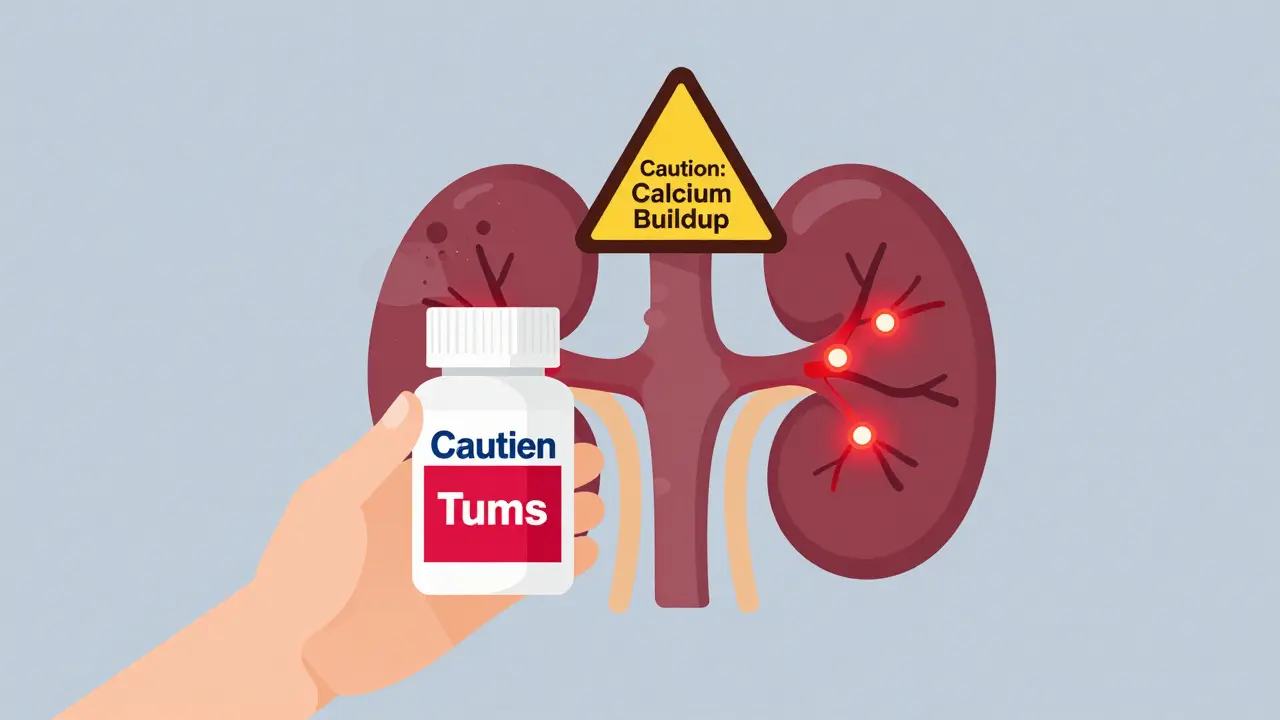
Antacids like Tums and Milk of Magnesia may seem harmless, but for kidney disease patients, they can cause deadly mineral imbalances. Learn how calcium, aluminum, and magnesium in these drugs interact with kidney function - and what safer alternatives exist.
Read More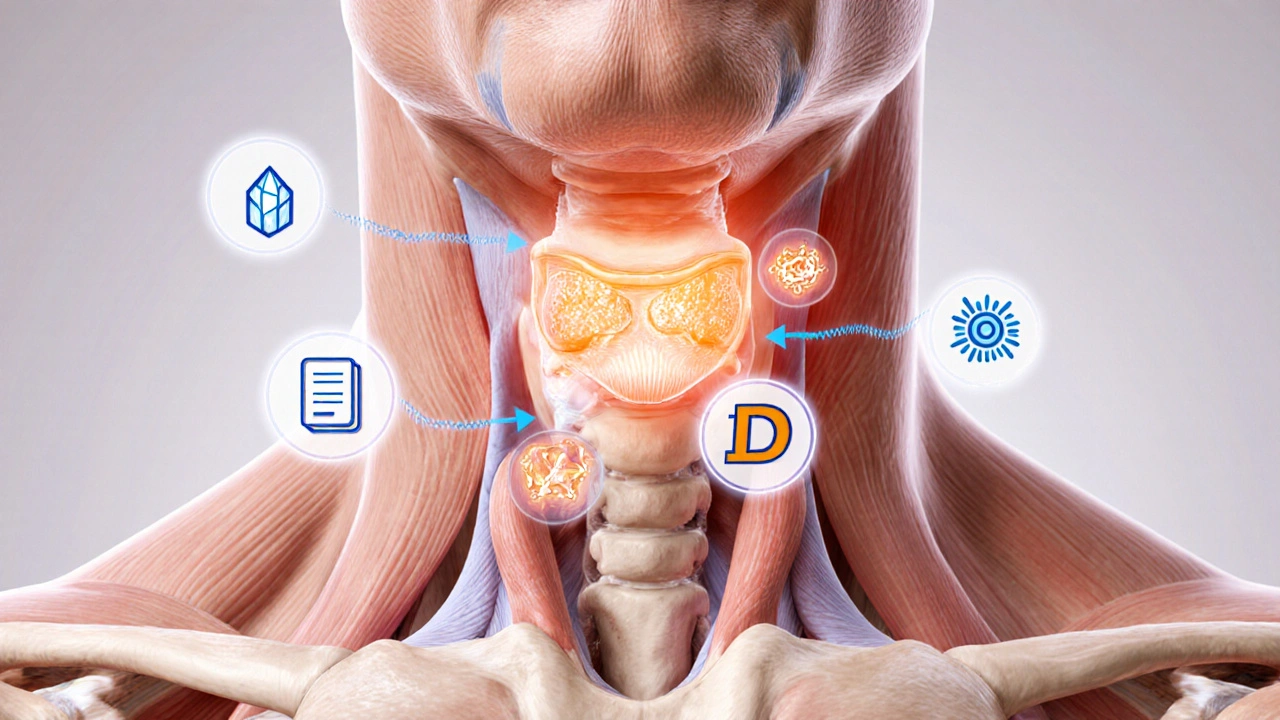
Learn how calcium and vitamin D work together to manage secondary hyperparathyroidism, with diet tips, supplement guidelines, lab monitoring and FAQs.
Read More