
When talking about Colon Cancer Prevention, the practice of reducing the risk of cancer in the large intestine through nutrition, habits, and medical screening. Also known as colorectal cancer risk reduction, it blends everyday choices with occasional medical checks to keep the colon healthy. Most people think prevention is only about colonoscopies, but diet, nutrient balance, and even enzyme function play huge roles. Understanding how these pieces fit together lets you take real‑world steps without feeling overwhelmed.
One of the biggest game‑changers is Diet, the collection of foods and eating patterns that influence colon health. A diet rich in fiber, whole grains, and colorful vegetables feeds good gut bacteria and helps move waste quickly, cutting the time harmful substances linger in the colon. Studies show that people who eat five or more servings of fruits and veges a day have a noticeably lower risk. Another critical piece is Calcium, a mineral that binds to bile acids and fatty acids in the gut, reducing their damaging potential. Getting 1,200 mg daily—through dairy, fortified plant milks, or supplements—has been linked to fewer precancerous polyps. Pair calcium with Vitamin D, a fat‑soluble vitamin that helps the body absorb calcium and may regulate cell growth in the colon. Blood levels of 30 ng/mL or higher are often recommended for optimal protective effect. Lastly, pay attention to Enzyme Deficiency, a lack of specific digestive enzymes that can disrupt gut flora and increase inflammation. For example, low lactase activity can lead to chronic bloating and altered bacterial profiles, which some research connects to higher colon cancer risk. Fixing such deficiencies with targeted enzyme supplements or dietary adjustments can restore balance and support the colon’s natural defenses.
All these elements—diet quality, calcium and vitamin D intake, and proper enzyme function—form a network of lifestyle habits that collectively lower your chance of developing colon cancer. Beyond the nutrients, staying active, maintaining a healthy weight, and quitting smoking add extra layers of protection. Regular screening, especially after age 45, catches early changes when they’re easiest to treat. In the collection below you’ll find articles that break down each of these topics in depth, from practical meal plans to the science behind calcium’s protective role. Whether you’re looking for a quick tip or a detailed guide, the posts are organized to give you actionable insights you can start using today.
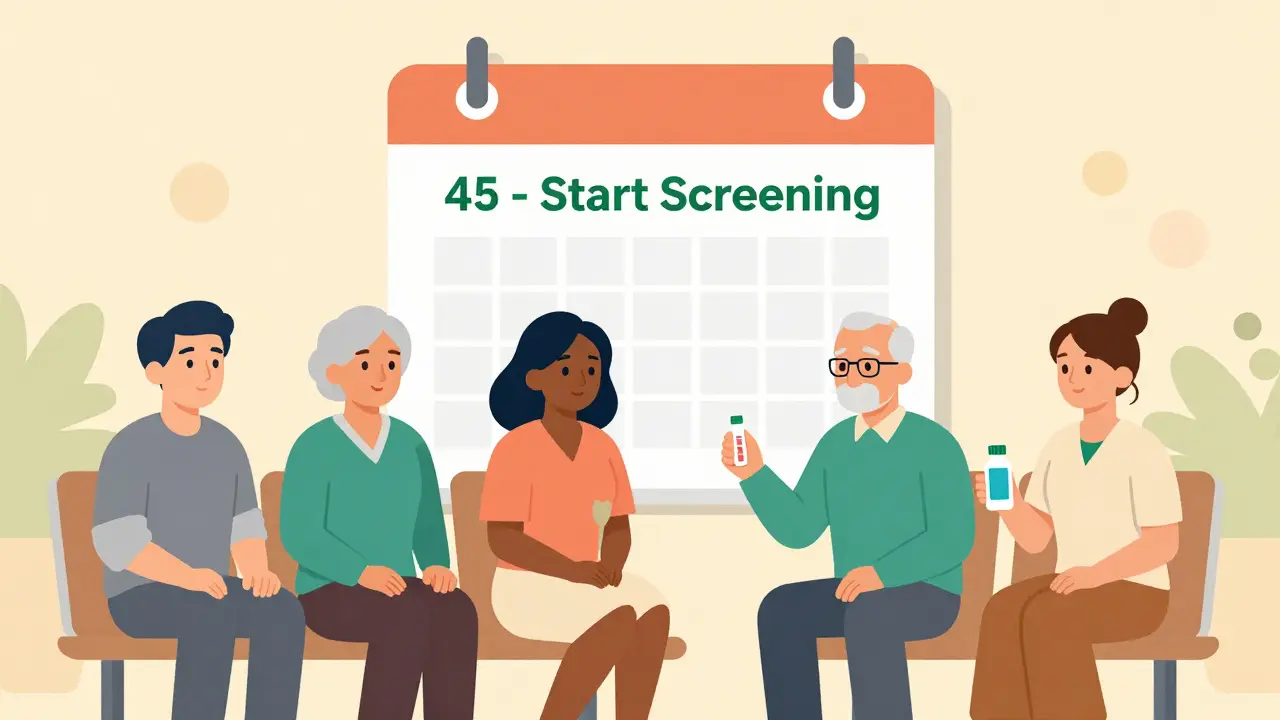
Colorectal cancer screening now starts at age 45. Colonoscopy remains the most effective method, but stool tests and other options exist. Chemotherapy regimens like CAPOX and FOLFOX are standard for stage III cancer. Early detection saves lives.
Read More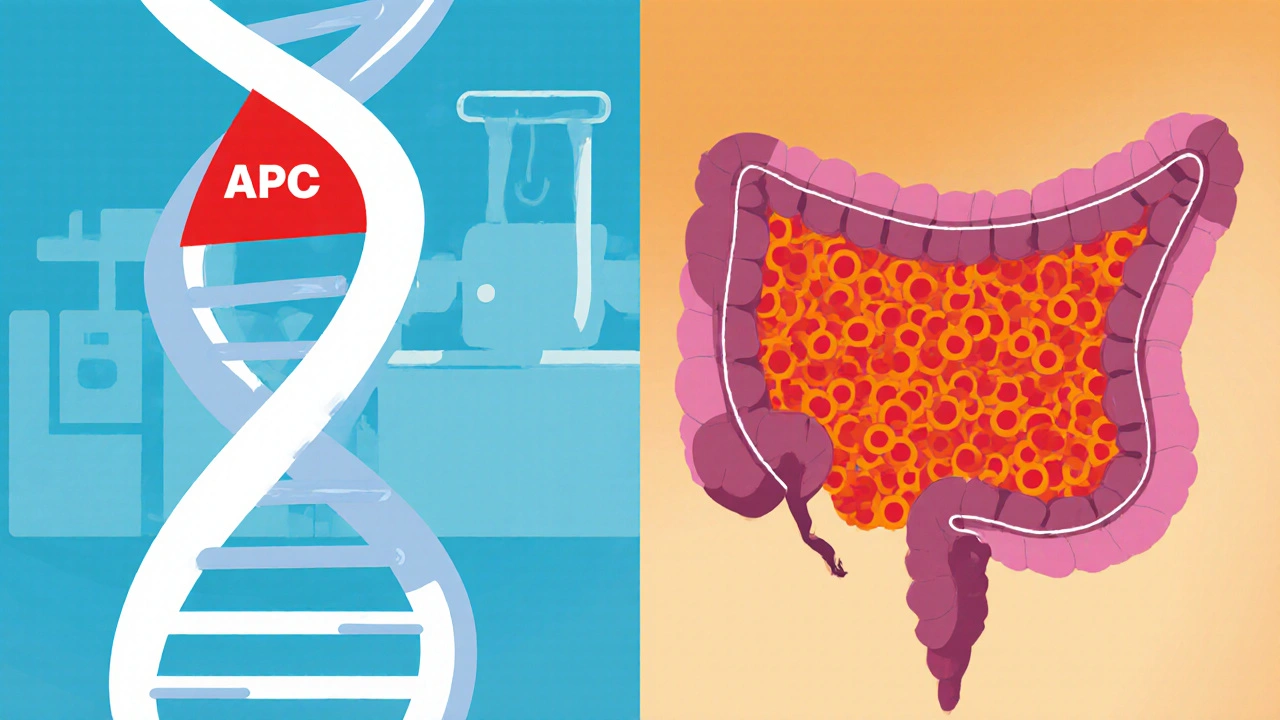
Explore how APC, MUTYH and other genes drive polyposis risk, when to get tested, and what preventive steps can lower colorectal cancer chances.
Read More