
When cancer treatment ends, many patients are left wondering what comes next. That’s where a survivorship care plan, a personalized document that outlines follow-up care, potential long-term side effects, and health maintenance strategies after cancer treatment. Also known as a cancer survivorship plan, it’s not just paperwork—it’s a roadmap to staying healthy after the hardest part is over. This plan isn’t one-size-fits-all. It’s built around your specific cancer type, treatments you received, and your personal health goals. Think of it as your post-treatment checklist, made by your care team to help you avoid surprises down the road.
What makes a survivorship care plan useful? It connects three key pieces: post-treatment care, the ongoing medical monitoring and symptom management needed after active cancer therapy, cancer survivorship, the entire life phase after diagnosis and treatment, focusing on physical, emotional, and social well-being, and oncology care plan, a broader term that includes the survivorship plan as one component of coordinated cancer care. These aren’t just buzzwords—they’re real needs. For example, if you had chemotherapy, your plan might warn you about nerve damage or heart risks years later. If you had radiation, it might flag potential thyroid or lung changes. It also tells you who to call if something feels off, what screenings you need next, and how to manage fatigue, anxiety, or other lingering effects.
Many patients don’t realize how much changes after treatment. The doctors you saw every week disappear. The scans stop. The urgency fades. But your body is still healing, and new issues can show up months or even years later. That’s why a survivorship care plan matters. It turns vague advice like "come back if you feel bad" into clear steps: "Get a bone density scan every two years," "Watch for tingling in your hands," or "Talk to your doctor before taking any new supplement." It also helps you communicate with your primary care doctor, who may not know your cancer history. A good plan gives them the details they need to keep you safe.
You’ll find real stories and practical advice in the posts below. Some explain how to ask your oncologist for a care plan if you haven’t received one. Others break down what to do if you’re missing records or dealing with insurance hurdles. There are guides on managing long-term side effects from chemo, how to track symptoms over time, and why mental health support is just as critical as physical checkups. Whether you’re a patient, caregiver, or just trying to understand what comes after treatment, these articles give you the tools to take control—not just survive, but thrive.
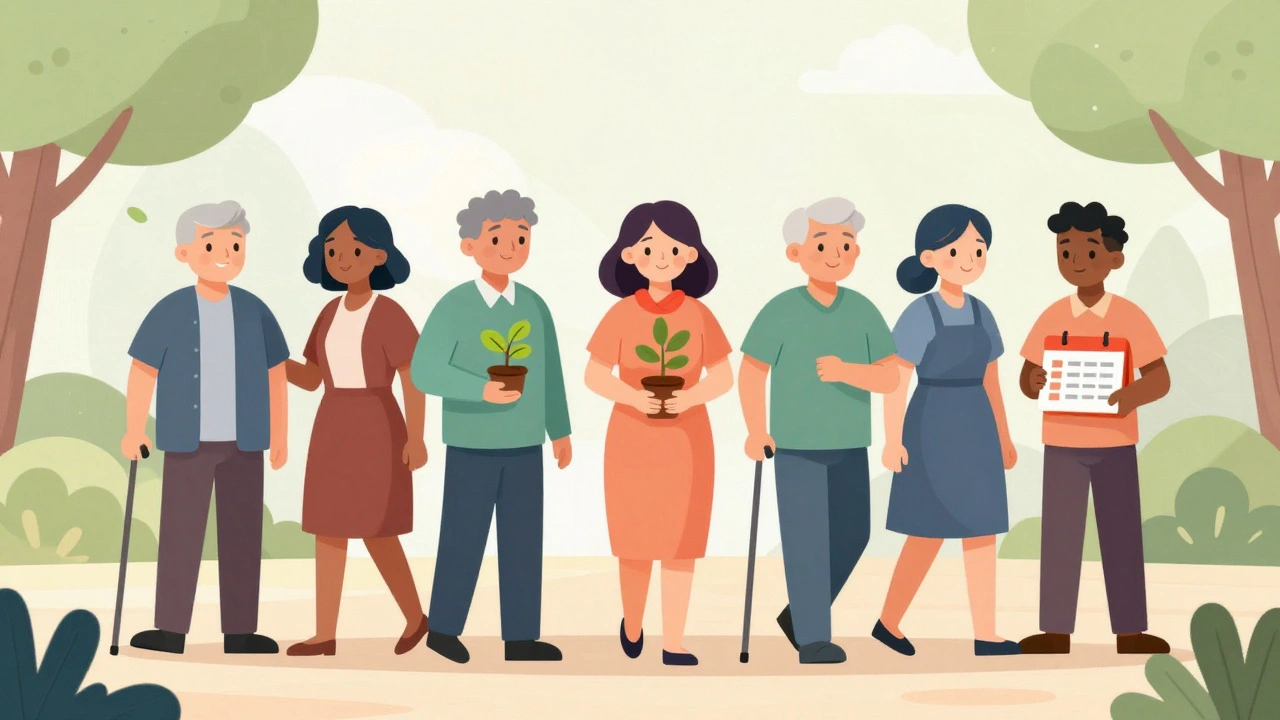
Cancer survivorship means managing long-term side effects and watching for recurrence. Learn how to protect your health after treatment with evidence-based care plans, exercise, and coordinated care between specialists and primary doctors.
Read More