
When someone stops taking a statin, a class of cholesterol-lowering drugs used to reduce heart attack and stroke risk. Also known as HMG-CoA reductase inhibitors, they are among the most prescribed medications worldwide for managing high LDL cholesterol. because of muscle pain, fatigue, or liver concerns, the next question isn’t always "what else can I take?"—it’s "can I try it again?" That’s where statin rechallenge, the process of restarting a statin after a prior interruption due to side effects comes in. It’s not a one-size-fits-all decision. For many, it’s a careful gamble: the benefit of lowering heart disease risk versus the chance of repeating unpleasant symptoms.
Statin rechallenge doesn’t mean just picking up the same pill again. It often involves switching to a different statin, lowering the dose, or spacing out the timing. Studies show that up to 70% of people who stop statins due to muscle pain can tolerate a different one after trying again. That’s not luck—it’s strategy. statin intolerance, a term used when side effects make long-term use impossible isn’t always permanent. Some people react to simvastatin but handle rosuvastatin fine. Others find that taking the pill every other day, or switching from a daily to a weekly dose, makes all the difference. The key is working with your doctor to test small changes, not to quit cold.
Why does this matter? Because skipping statins without a plan puts you at higher risk for heart attacks, especially if you’ve already had one or have diabetes. The real danger isn’t the statin—it’s the untreated high cholesterol. That’s why rechallenge isn’t just about side effects; it’s about finding a way to stay protected. Doctors now look at lab markers like CK levels (to check for muscle damage), liver enzymes, and even patient-reported symptoms over time. They don’t just rely on a single bad experience. And if you’ve had mild muscle soreness but no rise in CK, rechallenge is often recommended.
There’s also the question of alternatives. If rechallenge fails, you might end up on non-statin options like ezetimibe or PCSK9 inhibitors. But those are more expensive and sometimes harder to get covered by insurance. That’s why many patients and providers try rechallenge first—it’s often the most practical path back to effective treatment. You don’t have to accept muscle pain as the price of heart health. With the right approach, you might find a version of statin therapy that works for your body.
Below, you’ll find real-world insights from people who’ve been through statin rechallenge, what tests they had, which statins they switched to, and what finally worked. Whether you’re considering restarting a statin or just trying to understand your options, these posts give you the facts without the fluff.
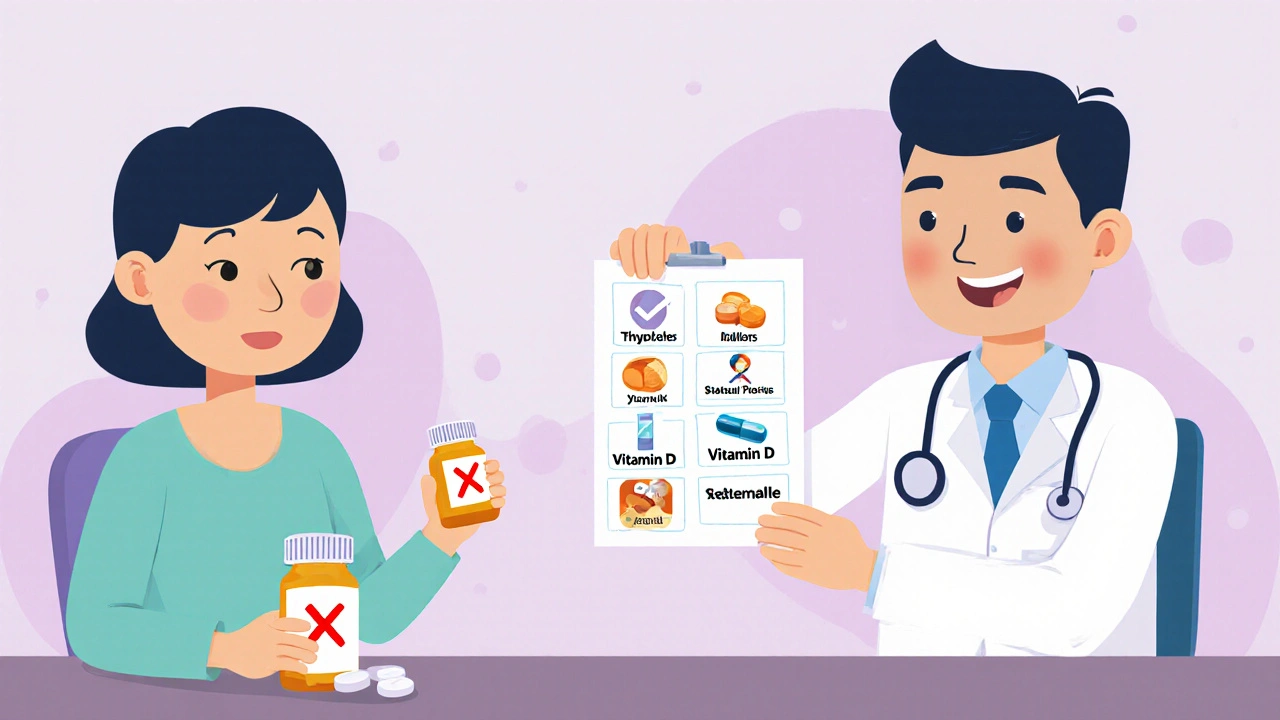
Statin intolerance clinics use structured protocols to help patients who experience muscle side effects from cholesterol drugs. Learn how rechallenge, switching statins, and intermittent dosing can get you back on life-saving therapy.
Read More