
When you take a statin, a class of drugs used to lower LDL cholesterol and reduce heart attack risk. Also known as HMG-CoA reductase inhibitors, they’re among the most prescribed medications worldwide—but not everyone can tolerate them. Statin intolerance isn’t just about mild side effects. It’s when muscle pain, weakness, or other symptoms are bad enough to make you stop taking the drug, even if it’s helping your cholesterol. Studies show up to 1 in 10 people on statins eventually quit because of how they feel, not because the drug isn’t working.
Many assume muscle aches are normal with statins, but that’s not always true. Some people react to the drug itself; others are sensitive to inactive ingredients like fillers or coatings. And sometimes, it’s not the statin at all—it’s something else, like low vitamin D, thyroid issues, or even overtraining. The key is figuring out what’s really going on. If you’ve stopped a statin because of side effects, you’re not alone. But you’re also not out of options. Doctors now have better ways to test for true intolerance, adjust doses, or switch to non-statin drugs that still protect your heart.
Not all cholesterol drugs are the same. If you can’t take a statin, there are alternatives like ezetimibe, PCSK9 inhibitors, or bile acid sequestrants—each with different ways of lowering LDL and different side effect profiles. Some people do well on lower-dose statins combined with another medication. Others find relief by switching from a daily statin to one taken every other day. Even small changes can make a big difference. And if you’re worried about your heart health without a statin, you’re right to be. But managing cholesterol isn’t just about one pill—it’s about diet, movement, and working with your care team to find what fits your body.
The posts below cover real-world ways people handle statin intolerance, from lab tests that reveal hidden causes to non-statin meds that actually work. You’ll also find advice on how to talk to your doctor about side effects, what supplements might help (or hurt), and how to track your progress without relying on statins. This isn’t about giving up on treatment—it’s about finding a plan that lets you stay healthy without feeling awful.
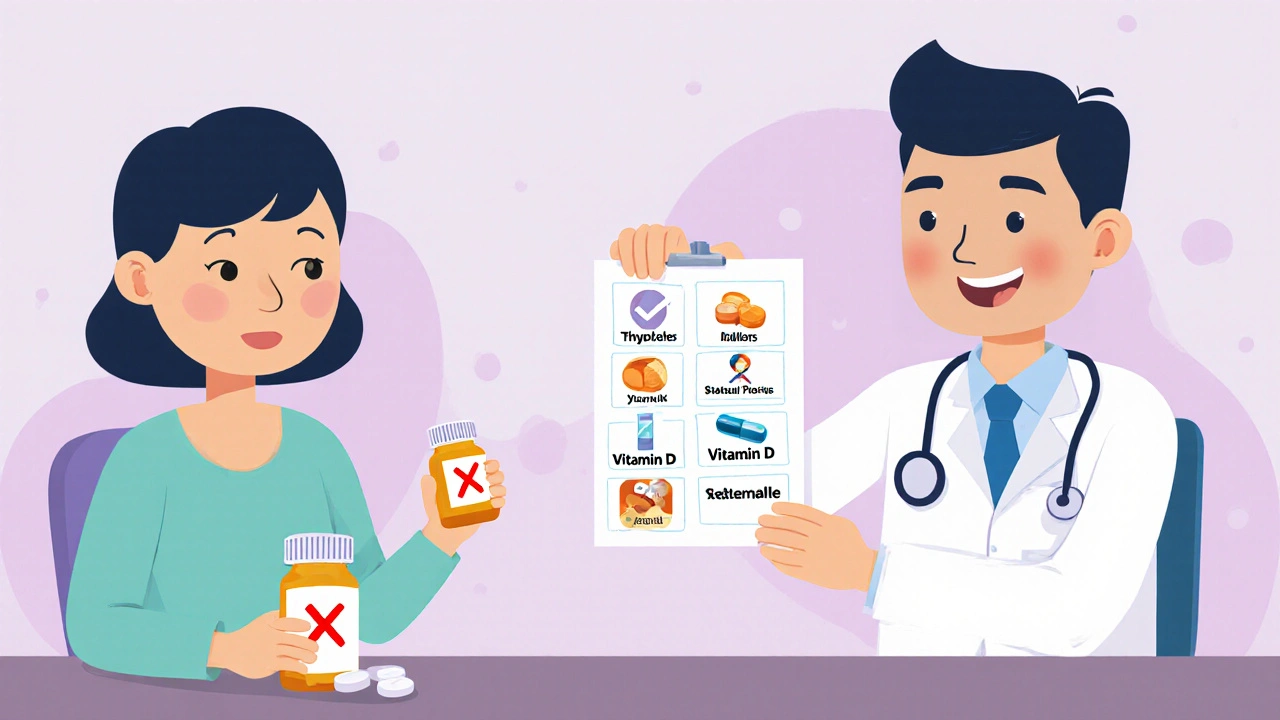
Statin intolerance clinics use structured protocols to help patients who experience muscle side effects from cholesterol drugs. Learn how rechallenge, switching statins, and intermittent dosing can get you back on life-saving therapy.
Read More