
When you get red man syndrome, a rapid, non-allergic reaction triggered by certain antibiotics, especially vancomycin. Also known as vancomycin flushing syndrome, it’s not a true allergy—but it can feel just as scary. The skin turns red, especially on the face, neck, and upper body, often with itching, warmth, or even a drop in blood pressure. It happens fast, usually during or right after an IV infusion. This isn’t rare. Up to 40% of people getting vancomycin experience some form of this reaction, especially if the drug is given too quickly.
What’s really going on? Your body releases histamine, a chemical that causes blood vessels to widen and skin to flush. It’s not your immune system attacking the drug—it’s the drug directly triggering mast cells to dump histamine. That’s why antihistamines like diphenhydramine often help. But the real fix? Slowing down the IV drip. Giving vancomycin over at least 60 minutes cuts the risk dramatically. Some hospitals now use 90-minute infusions as standard, especially for first-time users. Other antibiotics can cause similar reactions, though less often. Teicoplanin, rifampin, and even some muscle relaxants have been linked to histamine release. If you’ve had red man syndrome before, your provider will adjust the dose and pace next time.
It’s easy to mistake this for an allergic reaction, but there’s a big difference. True allergies involve IgE antibodies and can lead to anaphylaxis—difficulty breathing, swelling, shock. Red man syndrome doesn’t. It’s uncomfortable, sometimes alarming, but rarely life-threatening. Still, if you feel your chest tighten or your throat close, tell your nurse immediately. That’s not red man syndrome—that’s something else.
Knowing the signs helps you speak up. If your skin turns red during an IV, don’t wait. Ask: "Could this be vancomycin flushing?" Most providers know the answer. They’ve seen it before. You’re not overreacting—you’re helping them act faster. And if you’re on long-term antibiotics like vancomycin for a serious infection, ask about pre-treatment with antihistamines. It’s a simple step that can make the whole process smoother.
The posts below cover real cases, prevention tips, and how this reaction compares to other drug side effects. You’ll find what works, what doesn’t, and how to talk to your care team about it. No fluff. Just clear, practical info to help you stay safe and informed.
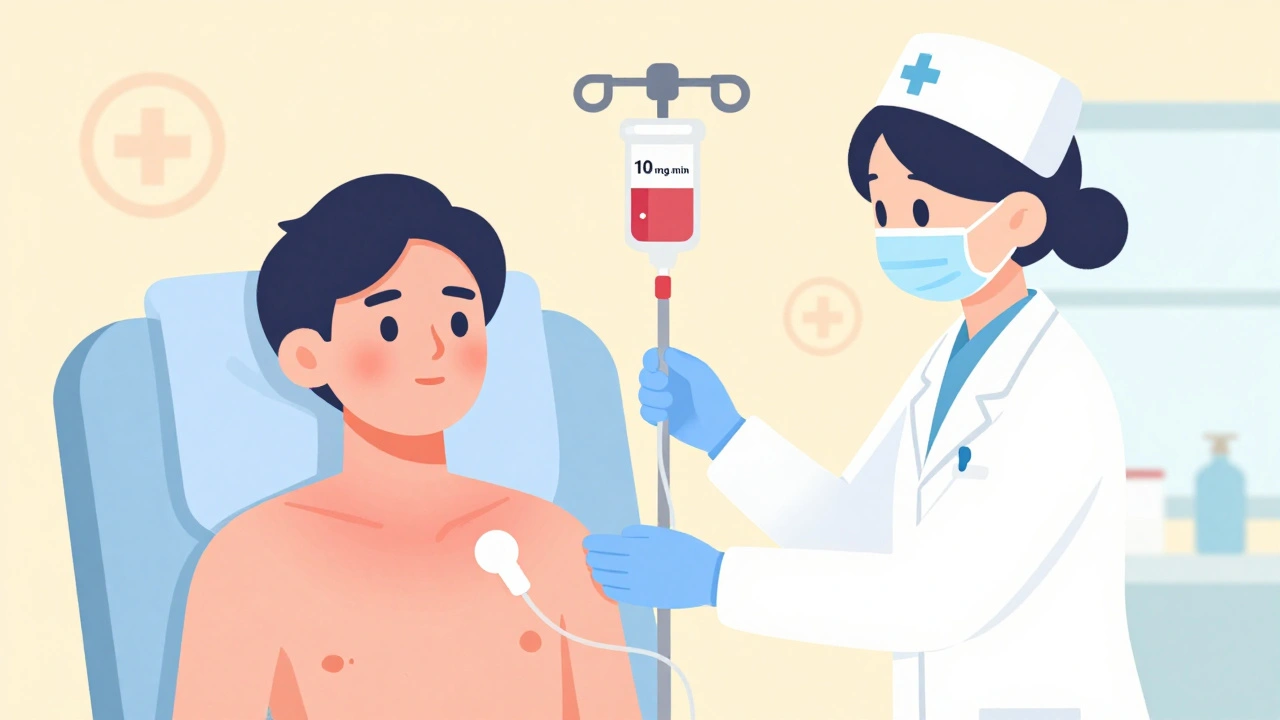
Vancomycin infusion reactions, once called red man syndrome, are common but preventable. Learn how slow infusion prevents flushing, itching, and hypotension - and why the outdated term is being phased out in modern medicine.
Read More