
When exploring polyposis genetics, the study of inherited gene changes that cause the growth of dozens to thousands of polyps in the colon and other organs. Also known as hereditary polyposis syndrome, it helps doctors predict cancer risk and guide preventive care. The condition is most often tied to mutations in the APC gene, a tumor‑suppressor gene whose loss of function drives familial adenomatous polyposis, and it directly raises the chance of colorectal cancer, the second‑most common cancer worldwide. Detecting those mutations relies on thorough genetic testing, a lab analysis of DNA that confirms whether a person carries harmful variants, which is a cornerstone of any hereditary cancer syndrome, a family‑wide pattern of cancer linked to specific gene defects.
Inheritance follows an autosomal‑dominant pattern, meaning a single copy of the faulty gene can trigger the whole cascade of polyp formation. Most families with polyposis trace the problem back to the APC gene, but a smaller group carries two copies of mutated MUTYH genes, which follow an autosomal‑recessive rule. The difference matters because it changes how you counsel relatives: a dominant mutation gives a 50 % chance of passing the trait to each child, while a recessive pair only matters if both parents are carriers. Understanding these nuances lets clinicians tailor risk‑assessment tools and recommend the right level of surveillance.
Screening starts early—often in the teenage years—because polyps can turn malignant before age 30. High‑resolution colonoscopy is the gold standard, and many specialists pair it with annual video‑capsule endoscopy to check the small intestine. When thousands of polyps are present, surgeons might recommend a prophylactic colectomy, effectively removing the colon before cancer can develop. The decision hinges on the number, size, and pathology of the polyps, as well as the patient’s age and overall health.
Family planning introduces another layer of complexity. For carriers of the APC mutation, the risk of passing the gene to offspring is real, and pregnancy management often includes close monitoring of drug therapies that could affect fetal development. For instance, patients on lenalidomide for unrelated cancers need strict contraception because the drug is teratogenic—a topic covered in one of our articles on fertility risks. Knowing the genetic backdrop helps doctors balance treatment efficacy with safety for both mother and baby.
Genetics also intersect with other health areas that show up in our collection. Enzyme deficiencies, such as those that impact neurotransmitter synthesis, can exacerbate anxiety and depression in people already coping with a chronic disease like polyposis. Meanwhile, advances in targeted therapy for liver cancer illustrate how understanding a tumor’s DNA profile can lead to personalized drug choices—another theme explored in our liver‑cancer therapy guide. These connections demonstrate that polyposis genetics isn’t an isolated niche; it weaves into broader discussions about mental health, drug safety, and precision medicine.
By now you’ve seen how polyposis genetics ties together gene mutations, cancer risk, screening protocols, and treatment decisions. The articles below dive deeper into each of these angles—from fertility considerations with cancer drugs to the latest targeted therapies for liver tumors and even the mood‑related effects of enzyme imbalances. Together they form a comprehensive toolkit for anyone navigating the genetic landscape of polyps and related health challenges.
Browse the list to discover practical tips, scientific updates, and real‑world advice that will help you manage polyposis genetics with confidence.
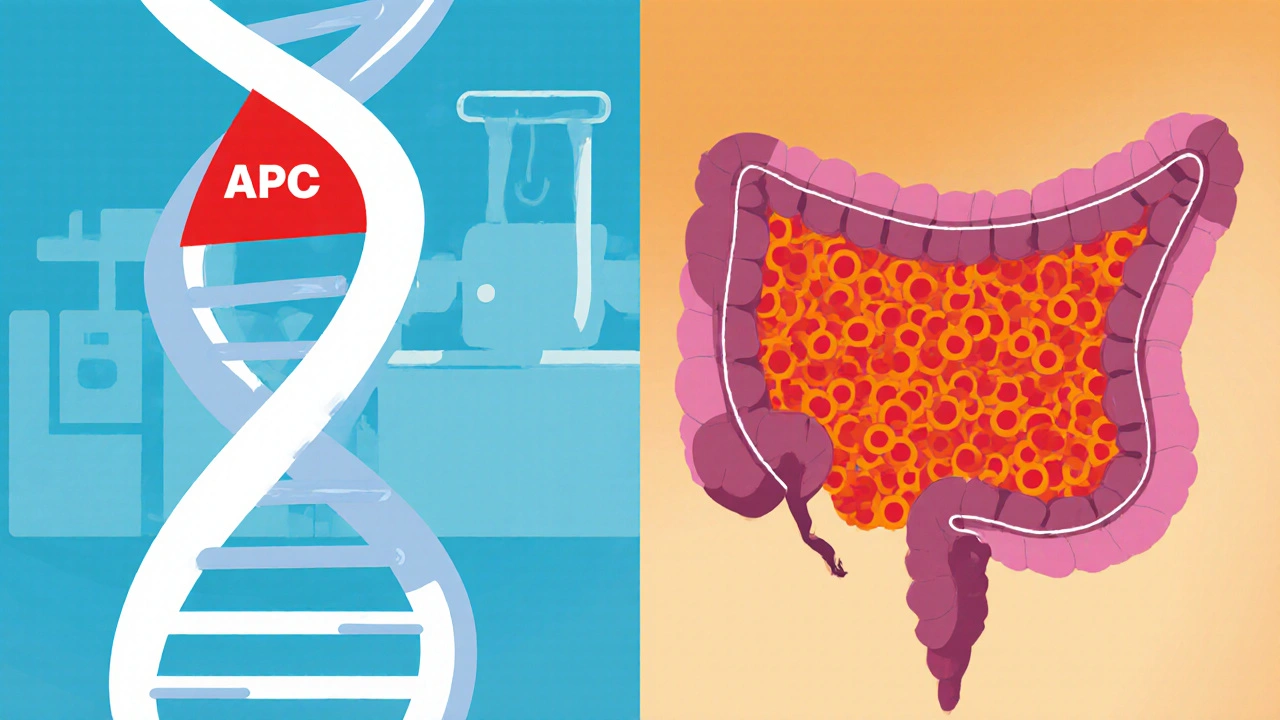
Explore how APC, MUTYH and other genes drive polyposis risk, when to get tested, and what preventive steps can lower colorectal cancer chances.
Read More